
 EN
EN



Երբ խոսքը վերաբերում է մանրածախ վայրերում, առևտրային ցուցահանդեսներում կամ կորպորատիվ տարածքներում վիզուալ դիսպլեյների թարմացմանը, գրաֆիկական նյութերի փոխարինման հեշտությունը կարող է կտրուկ ազդել շահագործման արդյունավետության և ընդհանուր ծախսերի վրա: Չնայած և՛ SEG լուսային տուփերը, և՛ սնեփ շրջանակները համարվում են տարածված դիսպլեյների լուծումներ, սակայն դրանց գրաֆիկական նյութերի փոխարինման մեխանիզմների հիմնարար տարբերությունը դրանց տարբերակում է օգտագործողի հարմարավետության և ժամանակի ներդրման տեսանկյունից: SEG լուսային տուփի գերազանցության հասկանալը հաճախակի գրաֆիկական թարմացումների համար պահանջում է դիտարկել դրա կառուցվածքային ձևավորումը, տեղադրման գործընթացը և պրակտիկ առավելությունները, որոնք առաջանում են սիլիկոնե եզրային գրաֆիկայի տեխնոլոգիայից՝ համեմատած սնեփ շրջանակների ավանդական շրջանակի բացման մեթոդի հետ:
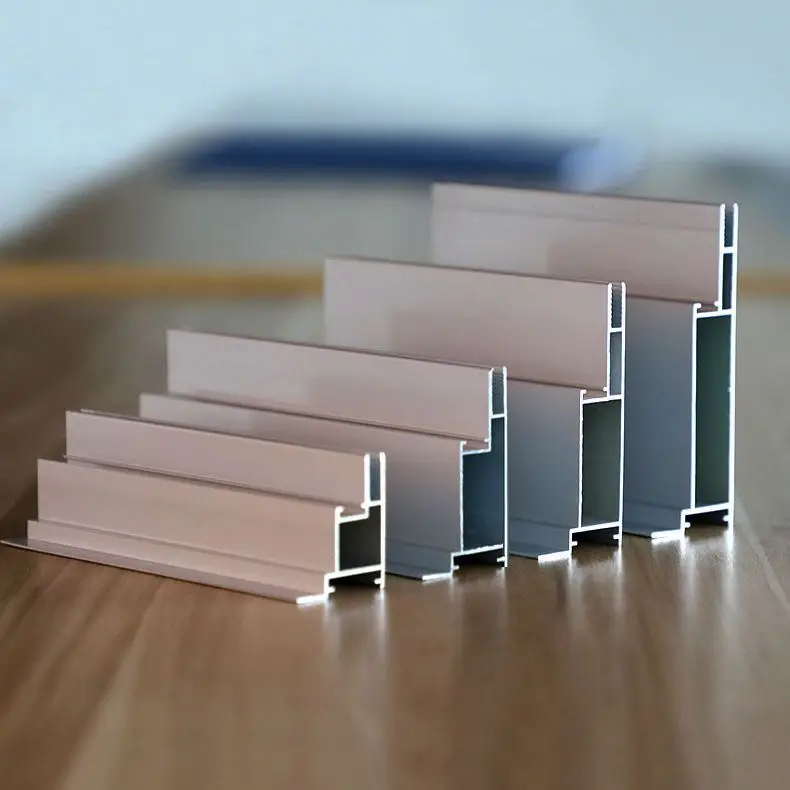
Սիլիկոնե եզրային գրաֆիկական համակարգը, որն օգտագործվում է seg լուսավորվող տուփում, ներկայացնում է հեղափոխական բաժանում համապատասխան շրջանակավորված ցուցադրման լուծումներից: Ի տարբերություն snap շրջանակների, որոնք պահանջում են հետևաբար բացել մեխանիկական եզրերը և ֆիզիկապես վեր lifts պաշտպանիչ պարզ ծածկույթները, seg լուսավորվող տուփը օգտագործում է գործվածքից պատրաստված գրաֆիկա՝ սիլիկոնե գոտիներով, որոնք մտցվում են ալյումինե շրջանակի պրոֆիլի ներքին խորշի մեջ: Այս հիմնարար դիզայնային տարբերությունը վերացնում է գրաֆիկայի փոխարինման գործընթացում մի շարք քայլեր, նվազեցնում է շրջանակի և գրաֆիկայի նյութի վնասվելու ռիսկը և թույլ է տալիս նույնիսկ ոչ տեխնիկական աշխատակիցներին արագ և վստահ կատարել թարմացումներ՝ առանց մասնագիտական գործիքների կամ վերապատրաստման:
Սիլիկոնե եզրային մտցման մեխանիզմը և դրա շահարկման առավելությունները
Ինչպես է սիլիկոնե գոտիների համակարգը պարզեցնում գրաֆիկայի տեղադրումը
Հիմնական նորարարությունը, որը գրաֆիկական փոփոխությունների համար դարձնում է seg լուսային տուփը ավելի հեշտ, կայանում է նրա սիլիկոնե եզրային գրաֆիկական տեխնոլոգիայում: Գրաֆիկական մատերիալի մահուդը բոլոր եզրերով ունի ամրացված բարակ սիլիկոնե շերտ, որը ստեղծում է ճկուն, սակայն մշակված մասնիկ, որը ճշգրիտ համապատասխանում է ալյումինե պրոֆիլի մեջ մեքենայացված նեղ ակոսին: sEG լուսավորվող տախտակ այս միացման մեթոդը չի պահանջում գործիքներ, շրջանակի մասերի բացում կամ պաշտպանիչ շերտերի հեռացում: Տեղադրողը պարզապես սկսում է սիլիկոնե եզրը մտցնել ակոսի մեջ՝ սկսելով մեկ անկյունից և համակարգավոր շարժվելով պարագծով, ինչի շնորհիվ մահուդի լարումը ստեղծում է հարթ, գծավորումներից ազատ ցուցադրման մակերես:
Այս արտահայտության խորությունը և լայնությունը մշակված են հատուկ՝ սիլիկոնե գունդը ամրապնդելու համար, միաժամանակ թույլ տալով դրա հեշտ մտցումն ու հանումը ձեռքով: Այս ճշգրտությամբ արտադրված համակարգը ապահովում է, որ գրաֆիկան սովորական օգտագործման ընթացքում ամրապնդված մնա, սակայն այն կարող է հեշտությամբ հանվել անհրաժեշտության դեպքում՝ մեղմ ձգելով մահճակի եզրից հեռացնելով մահճակի մակերեսը: Ամբողջ գործընթացը սովորաբար տևում է հինգ րոպեից պակաս ժամանակ շատ ստանդարտ չափսի ցուցադրակների համար, ի համեմատություն սնեփ-ֆրեյմ գրաֆիկայի փոխարինման համար սովորաբար անհրաժեշտ 15–20 րոպեի, որը ներառում է մի քանի կողմերի բացումը, կոշտ ստորաշերտերի համապատասխանեցումը և արգելափակման մեխանիզմների ճիշտ փակումը:
Ավելին, seg լուսային տուփերի գրաֆիկայի համար օգտագործվող ստվարաթղթի ճկունությունը նվազեցնում է տպագրության մեջ կարճատև կամ վնասվածքի առաջացման վտանգը տեղադրման ժամանակ: Տեքստիլ ստորաշերտերի հարմարվող բնույթը թույլ է տալիս մի քանի փոքր ճշգրտումներ կատարել տեղադրման ընթացքում, ինչը հնարավորություն է տալիս տեղադրողներին վերադասավորել հատվածները՝ առանց սկսելու նորից ամբողջ գործընթացը: Սա հստակ հակադրվում է սնեյպ-շրջանակներում օգտագործվող կոշտ նյութերին, որտեղ տեղադրման ժամանակ անհամապատասխանությունը կարող է հանգեցնել տեսանելի ճեղքերի, անհավասար միջակայքի կամ ամբողջովին հեռացնելու և նորից սկսելու տեղադրման անհրաժեշտության:
Շրջանակի վերացումը անհրաժեշտ վերահամարման պահանջներից
Սեգ լուսային տուփի ժամանակ խնայելու ամենակարևոր ասպեկտներից մեկը գրաֆիկայի փոփոխության ժամանակ շրջանակի ամբողջական վերացումն է: Ավանդական սնեփ շրջանակները պահանջում են հետևական կողմերի բացում, որը ներառում է զսպանակավոր կտրիչների ազատում կամ շրջանակի եզրերի պտտում հիմնական մարմնից դուրս: Այս գործընթացը ոչ միայն ժամանակ է ծախսում, այլև ստեղծում է բազմաթիվ կետեր, որտեղ սխալներ կարող են տեղի ունենալ, օրինակ՝ կտրիչների կոտրվելը, հետևակների ճիշտ չհամապատասխանելը կամ պաշտպանիչ ծածկույթների գծագրվելը: Սեգ լուսային տուփի դեպքում շրջանակը ամբողջությամբ անփոփոխ է մնում և չի մշակվում ամբողջ գրաֆիկայի փոխարինման գործընթացի ընթացքում:
Այս դիզայնի հատկանիշը բերում է մի շարք գործնական առավելություններ՝ գերազանցելով միայն հարմարավետության սահմանները: Առաջին հերթին՝ այն պահպանում է շրջանակի կառուցվածքային ամբողջականությունը ժամանակի ընթացքում, քանի որ շրջանակի բացելու և փակելու գործողությունների ընթացքում մեխանիկական բաղադրիչների վրա չի ազդում կրկնվող լարում: Երկրորդ՝ վերացնում է փոքր մասերի (օրինակ՝ կտրվածքների կամ ամրացման միջոցների) կորցնելու ռիսկը, որոնք կարող են ընկնել ապամոնտաժման ընթացքում: Երրորդ՝ թույլ է տալիս կատարել գրաֆիկական փոփոխություններ, մինչդեռ seg լուսային տուփը մնում է պատին մոնտաժված կամ առաստաղից կախված, իսկ սնեփ-շրջանակները հաճախ ամբողջությամբ պետք է վերացվեն՝ ապահովելու համար անվտանգ բացումն ու գրաֆիկայի փոխարինումը:
Գրաֆիկայի փոխելու հնարավորությունը՝ առանց սեգմենտավորված լուսաշողի տուփը հանելու նրա տեղադրման դիրքից, հատկապես արժեքավոր է բարձր երթևեկությամբ առևտրային միջավայրերում, որտեղ խափանումների նվազագույնի հասցնելը անհրաժեշտ է: Մանրածախ խանութները կարող են թարմացնել գովազդային դիսպլեյները գործողության ժամերին՝ առանց ստեղծելու անվտանգության վտանգներ կամ արգելափակելու հաճախորդների մուտքը: Ցուցահանդեսային տարածքները կարող են թարմացնել գրաֆիկան միջոցառումների միջև՝ առանց մեծ ծավալի տեղադրման և վերացման ժամանակի անհրաժեշտության: Կորպորատիվ միջավայրերում կարող են փոխել հաղորդագրությունները ընդունարաններում կամ համաժողովների սենյակներում՝ առանց պահանջվող առանձին սպասարկման ժամանակահատվածների պլանավորման կամ շենքերի սպասարկման թիմերի հետ համակարգման:
Ֆիզիկական ջանքերի նվազեցում և հասանելիության հարցեր
Ֆիզիկական ջանքերը, որոնք անհրաժեշտ են seg լուսավորված տուփում գրաֆիկայի փոխարինման համար, զգալիորեն ցածր են, քան սնեփ-ֆրեյմ համակարգերում այդ նպատակով անհրաժեշտ ջանքերը: Սնեփ-ֆրեյմերը հաճախ պահանջում են երկու ձեռքերի միաժամանակյա օգտագործում՝ շրջանակի բաղադրիչների վրա ազդելու համար, սեղմման ուժի կիրառում՝ զսպանակավոր մեխանիզմները ազատելու համար և խիստ նյութերի համար մշակման մեջ մեծ խնամք՝ որոնք կարող են լինել ծանր կամ անհարմար դիրքավորելու համար: Ի հակադրություն դրան, seg լուսավորված տուփում գրաֆիկայի փոխարինման գործընթացը ներառում է մեղմ հրման շարժումներ, որոնք պահանջում են նվազագույն ֆիզիկական ուժ և կարող են հարմարավետ կատարվել տարբեր ֆիզիկական հնարավորություններ ունեցող անձանց կողմից:
Հասանելիության այս առավելությունը տարածվում է անհատական հարմարավետությունից դուրս՝ կազմակերպության ավելի լայն օգուտներ բերելու համար: Ընկերությունները կարող են գրաֆիկական փոփոխությունների պատասխանատվությունները հանձնել աշխատակիցների ավելի լայն շրջանակին' առանց մտահոգվելու ֆիզիկական սահմանափակումների կամ մասնագիտացված ուսուցման անհրաժեշտության մասին: Սիլիկոնային եզրերի տեղադրման մեթոդի ինտուիտիվ բնույթը նշանակում է, որ աշխատակիցները սովորաբար կարող են տիրապետել տեխնիկային մեկ ցուցադրությունից հետո, նվազեցնելով հատուկ պատրաստված տեխնիկների վրա կախվածությունը եւ հնարավորություն ընձեռելով ավելի արագ արձագանքման ժամանակներ, երբ խթան
Բացի այդ, seg լուսային տուփի հետ աշխատելու ֆիզիկական պահանջների նվազեցումը հանգեցնում է հոգնածության մակարդակի նվազմանը, երբ մի քանի էկրաններ միաժամանակ թարմացման կարիք ունեն: Մարքեթինգային թիմերը, որոնք սեզոնային արշավներ են իրականացնում բազմաթիվ մանրածախ առևտրի կետերում, կամ միջոցառումների համակարգողները, որոնք պատրաստում են մի քանի տաղավարների էկրաններ, կարող են ավելի արդյունավետ և ավելի քիչ ֆիզիկական ծանրաբեռնվածությամբ ավարտել գրաֆիկական տեղադրումները: Այս արդյունավետության աճը հատկապես նկատելի է դառնում մեծածավալ տեղակայումներում, որտեղ տասնյակ կամ նույնիսկ հարյուրավոր էկրաններ կարիք ունեն համակարգված թարմացումների՝ սեղմ ժամկետներում:
Նյութի մշակման կայունություն և երկարաժամկետ սպասարկման արդյունավետություն
Պարանե գրաֆիկաները ընդդեմ կոշտ սուբստրատների մշակման
Սեգ լայթ բոքսի գրաֆիկների նյութային հատկությունները մեծապես նպաստում են փոփոխությունների ժամանակ դրանց օգտագործման հեշտությանը: Սիլիկոնե եզրային գրաֆիկներում օգտագործվող մահուդային ստորաշերտերը թեթև, ճկուն են և դիմացկուն են կեղտավորման՝ ճիշտ պահպանման դեպքում: Այս հատկանիշները տեղափոխումը, պահպանումը և տեղադրումը զգալիորեն պարզեցնում են համեմատության մեջ սնեփ ֆրեյմներում սովորաբար օգտագործվող կոշտ նյութերի հետ, ինչպես օրինակ՝ ՊՎԿ թերթերը, ակրիլիկ սալիկները կամ մոնտաժված տպագրությունները: Կոշտ նյութերը պահանջում են հատուկ խնամք՝ ծռման, ճեղքվելու կամ մակերևույթի վնասվելու կանխարգելման համար, ինչպես նաև ավելի շատ տարածք պահպանման և պաշտպանիչ փաթեթավորում:
Սեգ լուսային տուփի համար նախատեսված մահուդե գրաֆիկան կարելի է ծալել կամ գլանել՝ համապատասխան փոքր տարածք զբաղեցնելու և առանց տպագրության որակի վնասման ուղարկելու համար, քանի որ ժամանակակից սուբլիմացիոն գունատպման տեխնիկան ստեղծում է գույների կայունություն ունեցող և մեխանիկական լարվածությանը դիմացող պատկերներ, որոնք դիմանում են ծալման մեխանիկական լարվածությանը: Երբ մահուդը հանվում է պահեստավորման վայրից, այն բնականաբար հանգստանում է, և փոքր ճաքերը անհետանում են, երբ գրաֆիկան տեղադրվում է և լարվում շրջանակի մեջ: Այս դիմացկունությունը վերացնում է հատուկ պահեստավորման ռակերի, կոշտ տարաների կամ կլիմայական վերահսկվող միջավայրերի անհրաժեշտությունը, որոնք հաճախ անհրաժեշտ են կոշտ սնեփ-ֆրեյմ գրաֆիկայի համար:
Սեգ լայթ բոքսի մետաղական գրաֆիկայի մշակման տևականությունը տարածվում է նաև դրանց մուտքագրման ժամանակ եզրային վնասների դեմ դիմացկունության վրա: Սիլիկոնե մանրաթելը պաշտպանում է տպագրված մակերեսը ձեռքով օգտագործման ժամանակ, իսկ կարված եզրային կառուցվածքը կանխում է մաշվելը կամ ճեղքվելը՝ նույնիսկ բազմակի մուտքագրումների և հանումների դեպքում: Կտրուկ շրջանակի գրաֆիկան, հատկապես թղթի կամ բարակ պլաստիկ ստորաշերտերի վրա տպագրվածը, վտանգված է եզրային մաշվելու, անկյունների վնասման և մակերեսի գծագրման համար մուտքագրման ժամանակ անհրաժեշտ ձեռքով օգտագործման ընթացքում, հատկապես երբ հանվում են պաշտպանիչ ծածկույթները կամ նյութերը սահեցվում են դիրքի մեջ:
Մուտքագրման վնասների ռիսկի նվազեցում
Պատկերների հաճախակի փոփոխման անհրաժեշտություն ունեցող դիսպլեյների համակարգերում տեղադրման վնասը ներկայացնում է կարևոր թաքնված ծախս: Կտրուկ բացվող շրջանակների դեպքում շրջանակի բացումը, պատկերային նյութի դիրքավորումը և պաշտպանիչ ծածկույթի փակումը բազմաթիվ հնարավորություններ են ստեղծում պատահական վնասման համար: Պաշտպանիչ ակրիլիկ մակերեսների վրա մատնահետքերը, սխալ մշակման գործիքների օգտագործման պատճառով առաջացած գծագրերը, սխալ դիրքավորումը՝ որը հանգեցնում է տեսանելի ճեղքերի, ինչպես նաև կտրուկ բեռնված կապակցիչների պատճառով առաջացած լարվածության ճեղքերը՝ բոլորը նպաստում են դիսպլեյի որակի անկմանը և վաղաժամկան փոխարինման անհրաժեշտությանը:
«A seg» լուսային տուփը նվազեցնում է այս ռիսկերը՝ օգտագործելով պարզեցված տեղադրման մեթոդաբանություն: Քանի որ չկան պաշտպանիչ ծածկույթներ, որոնք պետք է ձեռքով վերցնել, չկան կապակցող մասեր, որոնք պետք է ճշգրտել, և չկան կոշտ նյութեր, որոնք պետք է ճշգրտվեն համապատասխան դիրքում, այդ պատճառով պատահական վնասվածքի հնարավորությունը զգալիորեն նվազում է: Պատկերը ինքնին կազմում է տեսանելի մակերեսը, իսկ ներկման դայ-սաբլիմացիոն գործընթացը ստեղծում է գծագրվելու դեմ դիմացկուն վերջնական մշակում, որը դիմանում է սովորական օգտագործմանը: Սիլիկոնե մտցման գործընթացի հարմարվողական բնույթը նշանակում է, որ նույնիսկ եթե պատկերը առաջին փորձի ժամանակ չի տեղադրվել ճշգրիտ դիրքում, փոքր ճշգրտումներ կարելի է կատարել՝ առանց վնասելու նյութը կամ շրջանակը:
Այս վնասի նվազեցումը տարածվում է նաև շրջանակի բաղադրիչների վրա: Snap շրջանակի հետքերը և կտրուկները մեխանիկական մաշվածության են ենթարկվում յուրաքանչյուր բացման և փակման ցիկլի ժամանակ, ինչը վերջապես հանգեցնում է թեթևացման, ճակատագրական անհամապատասխանության կամ ամբողջովին ձախողման: Ի հակադրություն դրա՝ seg light box-ի շրջանակը գրաֆիկայի փոփոխությունների ժամանակ չի ենթարկվում մեխանիկական լարվածության, քանի որ ալյումինե պրոֆիլը պարզապես ծառայում է որպես ստատիկ անցք, որի մեջ տեղադրվում է սիլիկոնե եզրը: Տեղադրման գործընթացում այս պասիվ դերը հանգեցնում է շրջանակի բացառիկ երկարակեցության, և ճիշտ պահպանվող seg light box համակարգերը մի շարք տարիներ շարունակ աշխատում են օպտիմալ ռեժիմով՝ անկախ հաճախակի գրաֆիկական թարմացումներից:
Պահպանման պարզություն և բաղադրիչների փոխարինում
Երկարաժամկետ սպասարկման պահանջները լրացուցիչ տարբերակում են seg լուսային տուփը snap frame-ի այլընտրանքներից: Snap frame-երը պարունակում են բազմաթիվ փոքր բաղադրիչներ, որոնք կարող են պահանջել պարբերաբար փոխարինում, այդ թվում՝ սայլակներ, անկյունային միացումներ, պաշտպանիչ թերթիկներ և մեխանիզմներ հենարանների համար: Այս մասերի հետևելը, պահելը պաշարումում և դրանց փոխարինումը ավելացնում են սեփականատիրության ընդհանուր ծախսը և գործառնական բարդությունը: Seg լուսային տուփի կառուցվածքը մեծապես վերացնում է այս սպասարկման հարցերը՝ իր պարզեցված կառուցվածքի շնորհիվ:
Սեգ լայթբոքսի հիմնական սպասարկման հարցը կապված է LED լուսավորության մասերի և սնման աղբյուրի հետ, որոնք հասանելի են նախատեսված սպասարկման վահանակների միջոցով, այլ ոչ թե գրաֆիկական տեղադրման անցուղով: Լուսավորության սպասարկման և գրաֆիկական փոփոխությունների այս առանձնացումը նշանակում է, որ տեսողական բովանդակության սովորական թարմացումների ժամանակ երբեք չի անհրաժեշտաբար խանգարվում էլեկտրական մասերի աշխատանքը կամ հակառակը: Մոդուլային դիզայնը թույլ է տալիս մասերի փոխարինումը՝ առանց ազդելու ցուցադրման մակերևույթի վրա, իսկ մեծամասնության որակյալ սեգ լայթբոքսների համակարգերը ունեն հեշտ հասանելի վարիչների բաժիններ, որոնք հեշտացնում են LED-ների կամ սնման աղբյուրի արագ փոխարինումը՝ անհրաժեշտության դեպքում:
Մաքրումը և մակերևույթի պահպանումը նույնպես ավելի պարզ են դառնում seg լուսային տուփի մետաքսե գրաֆիկայի դեպքում: Տեքստիլ մակերևույթը կարելի է մեղմ սրբել կամ փոշի հավաքել փոշեկուլի միջոցով՝ փոշու և թեթև աղտոտվածության վերացման համար, իսկ շատ մարտկոցներ ունեն ստատիկ էլեկտրականության դեմ մշակում, որը խոչընդոտում է փոշու կուտակմանը: Սնեյփ ֆրեյմի պաշտպանիչ ծածկույթները, հատկապես ակրիլիկ թերթերը, հակ tendency ունեն ստատիկ էլեկտրականություն կուտակելու, ինչը նպաստում է փոշու կուտակմանը և պահանջում է հաճախակի մաքրում մասնագիտացված լուծույթներով՝ պահպանելու թափանցիկությունը և խուսափելու գծագրերից: Seg լուսային տուփերի դիզայնում այս պաշտպանիչ շերտի վերացումը նվազեցնում է շարունակական պահպանման աշխատանքները՝ միաժամանակ պահպանելով գերազանց տեսողական ներկայացումը:
Գործառնական ճկունություն և բիզնես-գործընթացների ինտեգրում
Արագ արշավների փոխարինման հնարավորություններ
Գրաֆիկայի փոխարինման արագությունը և պարզությունը SEG լուսավորվող տուփում անմիջապես հնարավորություն է տալիս իրականացնել ավելի դինամիկ և ճկուն մարքեթինգային ռազմավարություններ: Ընկերությունները կարող են հաճախակի փոխել իրենց արշավները, փորձարկել տարբեր հաղորդագրությունների մոտեցումներ և արագ արձագանքել շուկայական պայմաններին՝ առանց սահմանափակվելու ավանդական ցուցադրման համակարգերի կապված աշխատանքային և ժամանակային պահանջներով: Այս գործառնական ճկունությունը վերածում է SEG լուսավորվող տուփը պարզ ցուցադրման միջոցից ստրատեգիական մարքեթինգային ակտիվի, որը կարող է օգտագործվել մրցակցային առավելության հասնելու համար:
Այս հնարավորությունից հատկապես շահում են մանրածախ վաճառքի միջավայրերը, քանի որ դրանք կարող են համաձայնեցնել խանութում տեղադրված հաղորդագրությունները ըստ ընթացիկ առաջարկների, սեզոնային թեմաների կամ առկա ապրանքային մնացորդների՝ առանց գործողությունների վրա ազդելու: Խանութի վարչավարը կարող է րոպեների ընթացքում թարմացնել սեգմենտավորված լուսավորվող տուփի ցուցադրությունը հաճախորդների միջև հարկավոր ընդմիջումների ժամանակ, մինչդեռ սնեյփ ֆրեյմի փոփոխությունները կարող են պահանջել աշխատանքային ժամերից դուրս ժամանակավորել կամ ընդունել աշխատանքային ժամերի ընթացքում տեղադրման աշխատանքների հետևանքով առաջացած հաճախորդների փորձի վրա ազդելու ռիսկը: Այս արձագանքման ունակությունը թույլ է տալիս մանրածախ գործողություններին պահպանել հաղորդագրությունների ակտուալությունը և օգտագործել առաջացող հնարավորությունները՝ առանց գործողությունների վրա ազդող խոչընդոտների:
Իրադարձությունների և ցուցահանդեսների համատեքստում նույնպես օգտագործվում է SEG լուսային տուփերի համակարգերի արագ փոփոխման հնարավորությունը: Առևտրային ցուցահանդեսների մասնակիցները կարող են հարմարեցնել հաղորդագրությունները տարբեր լսարանի սեգմենտների համար բազմօրյա իրադարձության ընթացքում, փոխանակել գրաֆիկան հաջորդական ցուցահանդեսների միջև՝ երբ վաճառքի տարածքները կրկին օգտագործվում են, ինչպես նաև վերջին պահին կատարել ճշգրտումներ՝ հաշվի առնելով սպոնսորների փոփոխությունները կամ նոր ապրանքների մասին հայտարարությունները: Այս թարմացումները արագ կատարելու և մասնագիտացված գործիքների առանց իրականացնելու հնարավորությունը նշանակում է, որ մարքեթինգային թիմերը կարող են մնալ ճկուն և արձագանքող, այլ ոչ թե կապված նախապես որոշված բովանդակության որոշումներով:
Կենտրոնացված չլինելու տեղադրման իշխանության տրամադրում
Սեգ լայթ բոքս գրաֆիկական տեղադրման ինտուիտիվ բնույթը հնարավորություն է տալիս կազմակերպություններին դեցենտրալիզացնել ցուցադրման կառավարումը՝ տեղական թիմերին լիազորելով իրականացնել կորպորատիվ մարքեթինգային հրահանգները՝ առանց կենտրոնացված տեխնիկական աջակցության անհրաժեշտության: Այս դեցենտրալիզացիան նվազեցնում է կախվածության սահմանափակումները, արագացնում է իրականացման ժամկետները և նվազեցնում ընդհանուր ծրագրի ծախսերը՝ վերացնելով մասնագիտացված տեղադրման պայմանագրային կազմակերպությունների կամ ճամփորդող տեխնիկական թիմերի անհրաժեշտությունը:
Ֆրանչայզի գործողությունները և բազմավայր մանրածախ ցանցերը հատկապես գնահատում են այս հնարավորությունը: Կորպորատիվ մարքեթինգի բաժինները կարող են մատակարարել մահճակալի գրաֆիկան առանձին վայրերին՝ վստահությամբ, որ տեղական աշխատակիցները կարող են դրանք ճիշտ տեղադրել առանց վերահսկողության: Seg լուսային տուփի տեղադրման գործընթացի պարզությունը նվազեցնում է վերապատրաստման պահանջները, նվազեցնում է տեղադրման սխալները և ապահովում է ապրանքանիշի համասեռ ներկայացումը բոլոր վայրերում՝ անկախ տեղական տեխնիկական մասնագիտական մակարդակից: Այս ստանդարտացումը դժվար կլիներ ձեռք բերել snap frame համակարգերի դեպքում, որոնք պահանջում են ավելի բարդ տեղադրման ընթացակարգեր և ավելի մեծ ուշադրություն մանրամասների վրա՝ ճիշտ իրականացման համար:
Ներդրման իշխանության տնտեսական հետևանքները տարածվում են ոչ միայն ուղիղ աշխատավարձի խնայողությունների վրա, այլև ներառում են հնարավորությունների ծախսերը և մրցակցային ճկունությունը: Երբ մարքեթինգային արշավները կարող են իրականացվել անմիջապես՝ որոշումը կայացնելուց հետո, առանց սպասելու մատակարարների հասանելիության կամ բարդ տրանսպորտային տրամադրության համակարգման, ձեռնարկությունները կարող են շարժվել ավելի արագ, քան մրցակիցները, որոնք դեռևս սահմանափակված են ավանդական ցուցադրման համակարգերի սահմանափակումներով: Այս շուկային արագացման առավելությունը կարող է որոշիչ լինել այն ոլորտներում, որտեղ խթանման ժամանակացույցը կարևոր ազդեցություն ունի սպառողների ռեակցիայի և վաճառքների արդյունքների վրա:
Պահեստավորման և տրանսպորտային տրամադրության օպտիմալացում
Սեգ լայթ բոքս մատյանի կոմպակտ պահեստավորման բնութագրերը ստեղծում են կարևոր լոգիստիկայի և պաշարների կառավարման առավելություններ: Կազմակերպությունները, որոնք պահպանում են սեզոնային գրաֆիկայի, պտտվող խթանման նյութերի կամ տարբեր շուկաների համար հարմարեցված հաղորդագրությունների գրադարաններ, կարող են նույն ֆիզիկական տարածքում պահել զգալիորեն ավելի շատ գրաֆիկական տարբերակներ՝ համեմատած կոշտ սնեփ ֆրեյմ նյութերի հետ: Այս պահեստավորման արդյունավետությունը նվազեցնում է պահեստավորման ծախսերը, պարզեցնում է պաշարների հսկողությունը և թույլ է տալիս ընդարձակել ստեղծագործական գրադարանները՝ առանց պահեստավորման ենթակառուցվածքի համամասնական աճի:
Փոխադրման ծախսերը նույնպես նվազում են՝ շնորհիվ գլանաձև կամ ծալված տեքստիլ գրաֆիկայի թեթև և կոմպակտ բնույթի: Օրինակ՝ մեկ սեգ լայթբոքսի գրաֆիկան, որը կարող է կշռել մեկ կիլոգրամից պակաս և տեղավորվել փոքր ծրարի մեջ, սուր հակադրություն է ներկայացնում այն կոշտ սնեփ-ֆրեյմ նյութերի հետ, որոնք պահանջում են պաշտպանիչ փաթեթավորում, չափսերի հիման վրա հաշվարկվող փոխադրման վճարներ և զգույշ վերաբերմունք՝ տեղափոխման ընթացքում վնասվելու վտանգը կանխելու համար: Այն կազմակերպությունների համար, որոնք կառավարում են գրաֆիկայի բաշխումը բազմաթիվ վայրերում, այս փոխադրման արդյունավետությունները ժամանակի ընթացքում կուտակվում են՝ ապահովելով կարևոր ծախսերի նվազեցում:
Տրանսպորտային առավելությունները տարածվում են նաև արտակարգ փոխարինման և արտակարգ իրավիճակների պլանավորման վրա: Կազմակերպությունները կարող են պահել պահեստային գրաֆիկական նյութեր տեղում՝ առանց զգալի պահեստավորման տարածք նախատեսելու, ինչը հնարավորություն է տալիս անմիջապես արձագանքել վնասված դիսպլեյների կամ անսպասելի մարքեթինգային պահանջներին: Seg լուսային տուփերի համակարգը աջակցում է «ճիշտ ժամանակին» գրաֆիկական նյութերի արտադրության և բաշխման ստրատեգիաներին, որոնք անգործնական կլինեին ավելի ծանր սնեփ-ֆրեյմ նյութերի դեպքում, ինչը մարքեթինգային թիմերին հնարավորություն է տալիս աշխատել ավելի փոքր պաշարներով՝ միաժամանակ պահպանելով ճկունությունը փոխվող բիզնես-պահանջներին արձագանքելու հարցում:
Դիզայնի էստետիկա և տեսողական կատարում
Անընդհատ եզրից եզր ներկայացում
Ներկայացման արդյունավետությունից բացի՝ SEG լուսային տուփը ապահովում է գերազանց տեսողական էսթետիկա, որը բարձրացնում է գրաֆիկական նյութերի ազդեցությունը: Սիլիկոնե եզրային մտցման համակարգը ստեղծում է ամբողջությամբ լարված և համասեռ լարման մակերես, որը լիովին վերացնում է ճաքերը, թուլացումները կամ փուչիկները, որոնք կարող են առաջանալ սնեփ-ֆրեյմ տեսակի մոնտաժի դեպքում: Այս լարման համասեռությունը ապահովում է հետին լուսավորման համասեռ տարածումը գրաֆիկական մակերեսի վրա՝ կանխելով լուսավորման այն առանձին պայծառ կետերը կամ ստվերները, որոնք երբեմն առաջանում են այն կոշտ նյութերի դեպքում, որոնք կարող են ամբողջությամբ չհարմարվել լուսաղբյուրներին:
Անշերտ տեսքը, որը հնարավոր է ստանալ seg լուսային տուփերի դիզայների միջոցով, նաև նպաստում է մաքուր, ավելի ժամանակակից էսթետիկայի ձևավորմանը: Մինչդեռ ալյումինե պրոֆիլը ապահովում է կառուցվածքային ամրություն և տեղավորում է լուսավորման համակարգը, նրա նեղ չափսերը և խորացված ակոսի դիզայնը նվազեցնում են տեսանելի շրջանակի եզրագիծը, ինչը թույլ է տալիս գրաֆիկական բովանդակությանը գերակշռել վիզուալ ներկայացման մեջ: Ի հակադրություն դրա՝ սնեփ-շրջանակները սովորաբար ունեն ավելի նկատելի շրջանակի եզրագիծ՝ բացման մեխանիզմների և պաշտպանիչ ծածկույթի պահման համակարգերի մեխանիկական պահանջների պատճառով:
Այս եզրից եզր տեսողական ներկայացումը հատկապես արժեքավոր է բրենդավորված միջավայրերում, որտեղ դիզայնի համատեղելիությունը և caրգավորված ներկայացման բարձր որակը աջակցում են բրենդի դիրքավորմանը: Բարձր դասի մանրածախ տարածքները, կորպորատիվ գլխավոր գրասենյակների վերացականները և լյուքս հյուրանոցային միջավայրերը շահում են սեգ լայթբոքս համակարգերի միջոցով տրվող ճուշտ և հարթ տեսքից: Տեսանելի ամրացման միջոցների, կտրիչների կամ մեխանիկական տարրերի բացակայությունը նպաստում է հարթ էստետիկ տեսքի ստեղծմանը, որը համապատասխանում է caրգավորված բրենդերի ինքնությանը և բարձրացված սպառողական սպասելիքներին:
Լուսավորման համասեռություն և գույնի ճշգրտություն
Սեգ լուսային տուփերի գրաֆիկայի համար օգտագործվող մահուդային ստորաշերտերը LED հետնալուսավորման հետ փոխազդում են այնպես, որ բարձրացնում են գունային հագեցվածությունը և լուսավորման համասեռությունը: Բարձրորակ մահուդային նյութերը ունեն թափանցելիության բնութագրեր, որոնք հատուկ մշակված են հետնալուսավորվող կիրառումների համար՝ լույսը հավասարաչափ ց рассեյլելով գրաֆիկայի մակերեսի վրա և վերացնելով տաք կետերը, որոնք կարող են առաջանալ որոշ կոշտ նյութերի դեպքում: Այս լույսի ց рассեյլման հատկությունը ապահովում է, որ գույները համասեռ երևեն եզրից եզր և որ մանր մասերը մնան տեսանելի ամբողջ ցուցադրման մակերեսում:
Սեգմենտավորված լուսային տուփերի գրաֆիկայի համար հաճախ օգտագործվող ներծծման միջոցով գունային տպագրության գործընթացը ապահովում է բացառիկ գունային հագեցվածություն և ճշգրտություն՝ գունանյութերը ներթափանցելով մատյանի մանրաթելերը, իսկ ոչ թե մնալով մակերեսին, ինչպես դա տեղի է ունենում որոշ կոշտ սալիկների վրա տպագրելիս: Երբ լուսավորվում են հետևից, այս բացառիկ գունային հագեցվածությունն ապահովում է հիասքանչ խորություն և լուսավորվածություն, որը գրավում է ուշադրությունը և ամրապնդում է հաղորդագրության ազդեցությունը: Օպտիմալացված մատյանի հատկանիշների և բարձրորակ տպագրության համադրությունը ապահովում է տեսողական արդյունքներ, որոնք համապատասխանում են կամ գերազանցում են կոշտ հետևից լուսավորվող նյութերի աշխատանքային ցուցանիշները՝ միաժամանակ պահպանելով մատյանի համակարգի բոլոր տեղադրման և օգտագործման առավելությունները:
Լույսի անցման արդյունավետությունը նաև նպաստում է շահագործման արժեքի բարձրացմանը, քանի որ օպտիմալացված մատյանը թույլ է տալիս արդյունավետ լուսավորում ապահովել ցածր վատտային LED համակարգերի միջոցով: Այս արդյունավետությունը հանգեցնում է էներգիայի սպառման նվազեցմանը, շահագործման ջերմաստիճանների իջեցմանը և LED-ների աշխատանքային ժամանակի երկարացմանը՝ համեմատած այն համակարգերի հետ, որոնք նույն պայծառությունը ստանալու համար պահանջում են ավելի բարձր հզորություն՝ օգտագործելով ավելի քիչ արդյունավետ նյութեր: Այս արդյունավետության շրջակա միջավայրի և տնտեսական առավելությունները լրացնում են տեղադրման առավելությունները՝ ստեղծելով համատեղված արժեք ամբողջ SEG լուսաշղթայի կյանքի ցիկլի ընթացքում:
Հնարավորություններ հարմարեցման համար և ստեղծագործական ազատություն
Seg լուսավորվող տուփի գրաֆիկների արտադրական ճկունությունը հնարավորություն է տալիս ստեղծել ստեղծագործական լուծումներ, որոնք գերազանցում են պարզ ուղղանկյուն դիսպլեյները: Պատկերները կարող են ճշգրիտ կտրվել և կարվել մանրաթելից՝ հաշվի առնելով ոչ ստանդարտ ձևեր, կորացված եզրեր և հատուկ կոնֆիգուրացիաներ, որոնք դժվար կամ անհնար է ստանալ կոշտ սնեփ-ֆրեյմ նյութերի օգտագործմամբ: Այս նախագծման ազատությունը ճարտարապետներին, ներքին տարածքների դիզայներներին և ստեղծագործական մասնագետներին հնարավորություն է տալիս միավորել լուսավորվող գրաֆիկները եզակի տարածական համատեքստերում և ստեղծել ստորագրված տեղադրումներ, որոնք տարբերակում են բրենդավորված միջավայրերը:
Սիլիկոնե եզրային համակարգը հեշտությամբ հարմարվում է այս հատուկ կիրառումներին՝ առկա լինելով մասնագիտացված ալյումինե պրոֆիլներ կորացված կոնֆիգուրացիաներով, անկյունային երկրաչափական ձևերով և մոդուլային դասավորություններով, որոնք աջակցում են ստեղծագործական տեսլականին: Գրաֆիկայի տեղադրման հեշտությունը մնում է անփոփոխ անկախ ձևի բարդությունից, քանի որ հիմնարար տեղադրման մեթոդը հավասարապես կիրառելի է ուղիղ եզրերի, նուրբ կորերի կամ բարդ կոնտուրների համար: Այս համատեղելիությունը նշանակում է, որ ստեղծագործական ազատությունը չի վճարվում տեղադրման բարդությամբ, այլ պահպանում է գործնական առավելությունները, որոնք այս լուսային տուփերի համակարգերը դարձնում են գրավիչ ստանդարտ կիրառումների համար:
Մեծ ձևաչափի տեղադրումները նույնպես շահում են seg լուսային տուփի մոտեցումից, քանի որ մահուդի գրաֆիկան կարող է արտադրվել մեծ չափսերով՝ առանց մեծ ձևաչափի կոշտ նյութերի բերած քաշի, կոշտության և մշակման դժվարությունների: Բազմապանելային տեղադրումները կարող են իրականացվել ճշգրտված համապատասխանեցմամբ, իսկ համատարած լարման բնութագրերը ապահովում են պանելների սահմաններով տեսողական շարունակականություն: Այս հնարավորությունները աջակցում են համարձակ ճարտարապետական կիրառումներին և փորձային մարքեթինգային տեղադրումներին, որոնք տարանջատում են ավանդական ցուցադրման համակարգերի սահմանները՝ միաժամանակ պահպանելով շահագործման գործնականությունը:
Հաճախադեպ տրվող հարցեր
Որքա՞ն ժամանակ է սովորաբար անհրաժեշտ seg լուսային տուփում գրաֆիկան փոխելու համար՝ համեմատած snap frame-ի հետ:
Վերապատրաստված մասնագետը սովորաբար կարող է փոխել seg լուսավորվող տախտակի գրաֆիկը մոտավորապես երեքից հինգ րոպեում՝ ստանդարտ չափսերի դեպքում, մինչդեռ սնեփ-շրջանակի գրաֆիկների փոխարինումը սովորաբար պահանջում է տասնհինգից քսան րոպե կամ ավելի՝ շրջանակի մասերը բացելու, պաշտպանիչ ծածկույթների հետ աշխատելու և ճիշտ փակումն ապահովելու անհրաժեշտության պատճառով: Ժամանակի տարբերությունը ավելի է ակնհայտանում մեծ չափսի ցուցադրական սարքերի դեպքում կամ երբ մի քանի սարքերի թարմացում է անհրաժեշտ, քանի որ seg լուսավորվող տախտակի տեղադրման գործընթացը ավելի արդյունավետ է մասշտաբավորվում: Այս ժամանակային արդյունավետությունը ուղղակիորեն թարգմանվում է աշխատավարձի խնայողության և շահագործման ճկունության մեջ, հատկապես այն միջավայրերում, որտեղ հաճախակի գրաֆիկների թարմացումը աջակցում է դինամիկ մարքեթինգային ռազմավարություններին:
Կարո՞ղ են seg լուսավորվող տախտակի գրաֆիկները բազմակի օգտագործվել, թե՞ դրանք վատանում են կրկնակի տեղադրման դեպքում:
Բարձրորակ SEG լուսային տուփերի գրաֆիկական նյութերը, որոնք արտադրված են ճիշտ նյութերից և կառուցման տեխնիկայով, կարող են տեղադրվել և հանվել տասնյակ անգամներ՝ առանց կտրուկ վատացման: Սիլիկոնե շերտը պահպանում է իր բռնակման ունակությունն ու ճկունությունը բազմաթիվ օգտագործման ցիկլերի ընթացքում, իսկ մահուդե հիմքը՝ չի գլանվում և չի վնասվում եզրերով՝ ճիշտ սպառազինության դեպքում: Օգտագործման միջև ճիշտ պահպանումը, օրինակ՝ գրաֆիկական նյութերի գլանումը կամ նշված գծերով ծալումը, ինչպես նաև դրանց պաշտպանությունը սուր առարկաներից կամ չափից շատ խոնավությունից, պահպանում է դրանց վիճակը: Շատ կազմակերպություններ հաջողությամբ փոխում են սեզոնային գրաֆիկական նյութերը տարեկան մեկ անգամ՝ հինգ տարի կամ ավելի երկար ժամանակով, իսկ տպագրության որակը և կառուցվածքային ամրությունը մնում են ընդունելի ամբողջ գրաֆիկական նյութի կյանքի ընթացքում:
SEG լուսային տուփերի համակարգերը գրաֆիկական նյութերի փոխարինման համար պահանջում են հատուկ գործիքներ կամ սարքավորումներ՞
Սեգ լուսային տուփում գրաֆիկայի փոխարինման համար չեն պահանջվում մասնագիտացված գործիքներ: Տեղադրման գործընթացը ամբողջությամբ կախված է ձեռքով կատարվող գործողություններից՝ տեղադրողները ձեռքերով մտցնում են սիլիկոնե եզրը ալյումինե ակոսի մեջ և հանում են այն հեռացման համար: Այս գործիքների առանց կատարվող մոտեցումը հակադրվում է որոշ սնեփ-ֆրեյմ համակարգերին, որոնք կարող են օգտագործել մասնագիտացված բացման գործիքներ կամ որոշ փակման մեխանիզմների դեպքում պահանջել պտուտակահանիչներ: Գործիքների պահանջի վերացումը պարզեցնում է տեղադրման գործընթացը, նվազեցնում է սարքավորումների ծախսերը և ապահովում է, որ գրաֆիկայի փոխարինումը կարող է կատարվել ցանկացած վայրում՝ առանց կոնկրետ գործիքների որոնման կամ գործիքների պաշարների վարման:
Կա՞ն սեգ լուսային տուփերի համար օգտագործվող գրաֆիկայի տեսակների սահմանափակումներ:
Seg լուսավորվող տուփի համակարգերը պահանջում են հատուկ արտադրված մահուդե գրաֆիկա՝ կարված սիլիկոնե եզրային շերտերով, այսինքն՝ առկա բարձր կոշտության գրաֆիկան կամ ստանդարտ տպագրությունը չի կարող անմիջապես տեղադրվել այդ շրջանակներում: Այնուամենայնիվ, այս սահմանափակումը համակշռվում է մահուդե գրաֆիկայի առավելություններով, այդ թվում՝ գերազանց կառավարման հատկանիշներով, պահպանման արդյունավետությամբ և լուսավորման դեպքում վիզուալ կատարումով: Կազմակերպությունները, որոնք անցում են կատարում սնեփ-շրջանակներից դեպի seg լուսավորվող տուփի համակարգեր, պետք է հաշվի առնեն համատեղելի մահուդե գրաֆիկայի սկզբնական ներդրումը, սակայն շատերը համոզվում են, որ երկարաժամկետ շահագործման առավելությունները և աշխատավարձի նվազեցումը արդարացնում են այդ վերակառուցման ծախսերը: Մահուդե տպագրության արդյունաբերությունը զգալիորեն հասել է հասունության, ապահովելով մրցունակ գներ, արագ առաքման ժամանակներ և բացառիկ որակ, որը համապատասխանում է առևտրային կիրառումների համար մասնագիտական ստանդարտներին:
Բովանդակության ցուցակ
- Սիլիկոնե եզրային մտցման մեխանիզմը և դրա շահարկման առավելությունները
- Նյութի մշակման կայունություն և երկարաժամկետ սպասարկման արդյունավետություն
- Գործառնական ճկունություն և բիզնես-գործընթացների ինտեգրում
- Դիզայնի էստետիկա և տեսողական կատարում
-
Հաճախադեպ տրվող հարցեր
- Որքա՞ն ժամանակ է սովորաբար անհրաժեշտ seg լուսային տուփում գրաֆիկան փոխելու համար՝ համեմատած snap frame-ի հետ:
- Կարո՞ղ են seg լուսավորվող տախտակի գրաֆիկները բազմակի օգտագործվել, թե՞ դրանք վատանում են կրկնակի տեղադրման դեպքում:
- SEG լուսային տուփերի համակարգերը գրաֆիկական նյութերի փոխարինման համար պահանջում են հատուկ գործիքներ կամ սարքավորումներ՞
- Կա՞ն սեգ լուսային տուփերի համար օգտագործվող գրաֆիկայի տեսակների սահմանափակումներ: