Superior Installation Speed and Minimal Disruption
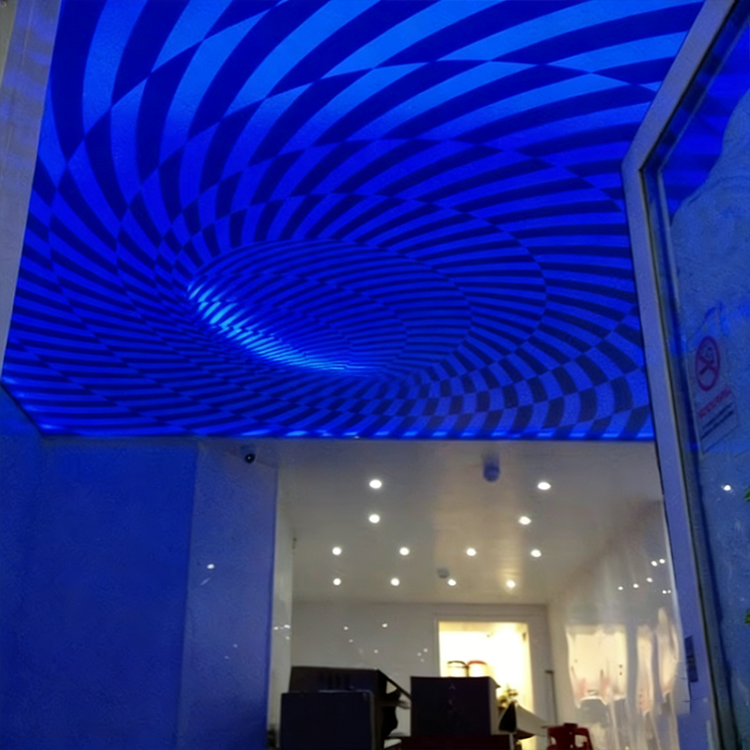
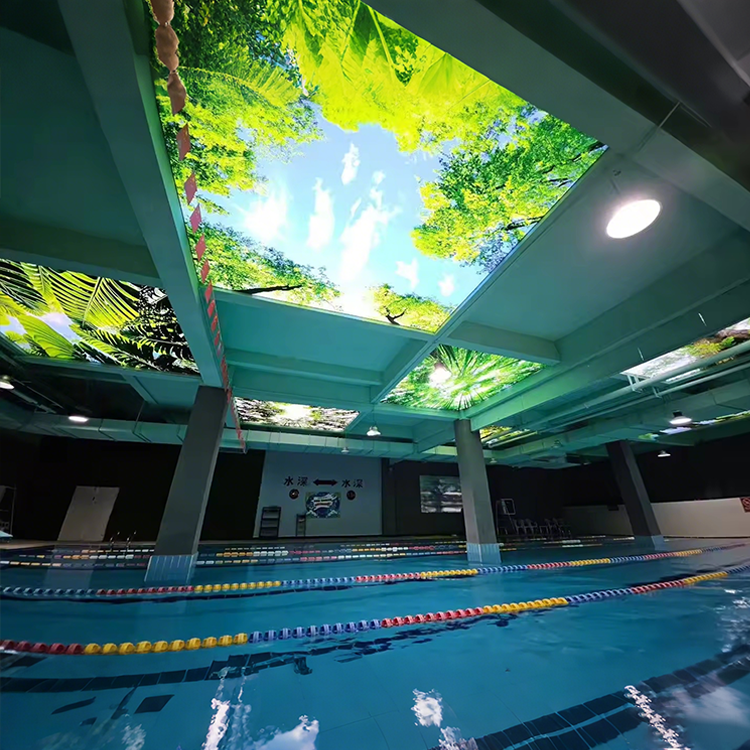
The backlit stretch ceiling installation process represents a paradigm shift in construction efficiency, delivering complete ceiling transformation with minimal disruption to occupied spaces and dramatically reduced project timelines. Traditional ceiling renovation projects typically require weeks of construction activity including demolition, framing, electrical work, drywall installation, finishing, and painting, each phase creating dust, noise, and access limitations that disrupt normal activities. In contrast, backlit stretch ceiling installations bypass most of these traditional construction phases through innovative mounting systems and pre-engineered components that streamline the entire process. Professional installation teams can typically complete residential installations in four to eight hours and commercial projects in one to three days, depending on size and complexity. This accelerated timeline results from the lightweight nature of materials, minimal structural requirements, and elimination of wet trades like plastering or painting. The installation process begins with precise measurement and track mounting around the perimeter of the space, followed by LED system positioning and testing before the final membrane stretching and finishing steps. The dry installation method eliminates concerns about humidity, temperature, or curing time that often delay traditional construction projects. Existing ceiling infrastructure including old fixtures, ductwork, or structural elements can remain in place, as the backlit stretch ceiling system installs below these elements while completely concealing them from view. This approach eliminates demolition costs, disposal fees, and structural modifications that would otherwise be necessary with conventional renovation approaches. The minimal disruption factor makes backlit stretch ceiling installation particularly valuable in occupied commercial spaces, healthcare facilities, and residential environments where maintaining normal operations is essential. Dust and debris generation is virtually eliminated, protecting furniture, equipment, and finishes from construction-related damage. Noise levels during installation are significantly lower than traditional construction activities, allowing adjacent spaces to remain functional throughout the project. The reversible nature of the installation means that access to concealed infrastructure remains possible for future maintenance or modifications without permanent alteration to the building structure. Quality control is enhanced through factory-manufactured components and standardized installation procedures that reduce variability and ensure consistent results across different projects and locations.
 ×
×


 EN
EN