lightbox billboard
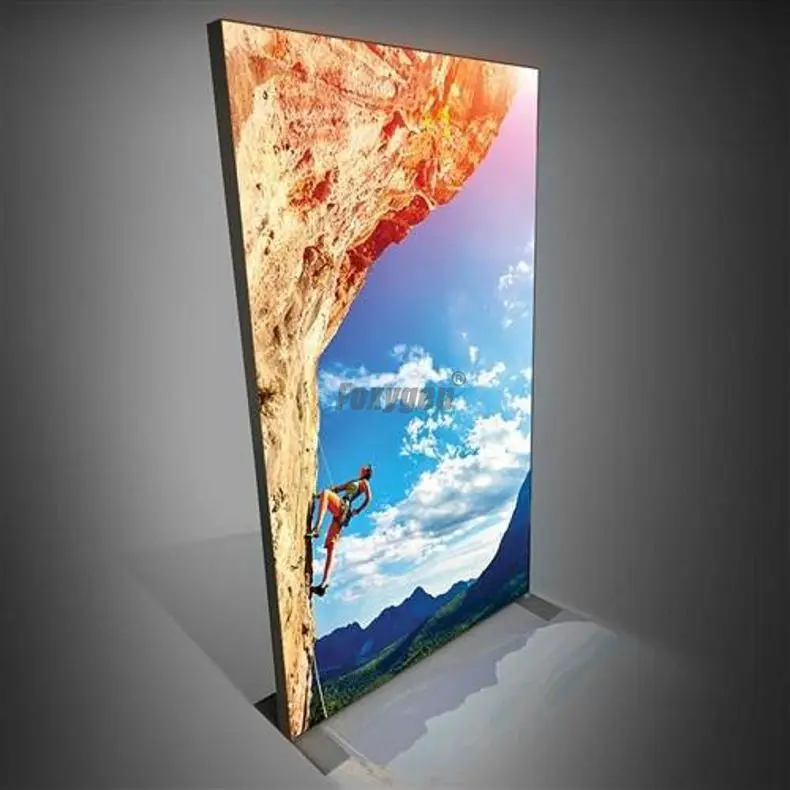
A lightbox billboard represents a revolutionary advancement in outdoor advertising technology, combining traditional billboard impact with modern illumination systems to create compelling visual displays that capture attention around the clock. This sophisticated advertising medium utilizes LED backlighting or edge-lit technology to illuminate printed graphics from behind, producing vibrant colors and sharp contrast that remains visible even in challenging lighting conditions. The lightbox billboard structure typically consists of a durable aluminum frame housing advanced lighting components, weather-resistant translucent materials, and high-quality printed graphics that can withstand various environmental factors. The primary function of these advertising displays extends beyond simple visibility enhancement, offering businesses a dynamic platform to showcase their brand messages with professional presentation quality. Technological features include energy-efficient LED lighting systems that consume significantly less power than traditional fluorescent alternatives while providing superior brightness levels and longer operational lifespans. Many modern lightbox billboard installations incorporate smart control systems that allow remote management of lighting schedules, brightness adjustment, and power consumption monitoring. The weatherproof construction ensures reliable operation in diverse climatic conditions, featuring sealed lighting compartments and UV-resistant materials that maintain graphic integrity over extended periods. Applications for lightbox billboard installations span numerous industries and locations, including retail storefronts, shopping centers, transportation hubs, entertainment venues, corporate facilities, and roadside advertising locations. These versatile advertising solutions prove particularly effective for businesses requiring 24-hour visibility, such as restaurants, hotels, gas stations, and emergency services. The illuminated format enhances brand recognition during evening hours when traditional signage becomes less effective, maximizing advertising investment returns through extended exposure periods. Installation flexibility allows for various mounting configurations, including wall-mounted, pole-mounted, and freestanding options, accommodating diverse spatial requirements and zoning regulations while maintaining optimal viewing angles for target audiences.
 ×
×


 EN
EN