Professional PVC Film Welding Machine - Advanced Technology for Superior Bonding Results

Get a Free Quote

Our representative will contact you soon.
Email
Name
Company Name
Message
0/1000

pvc film welding machine

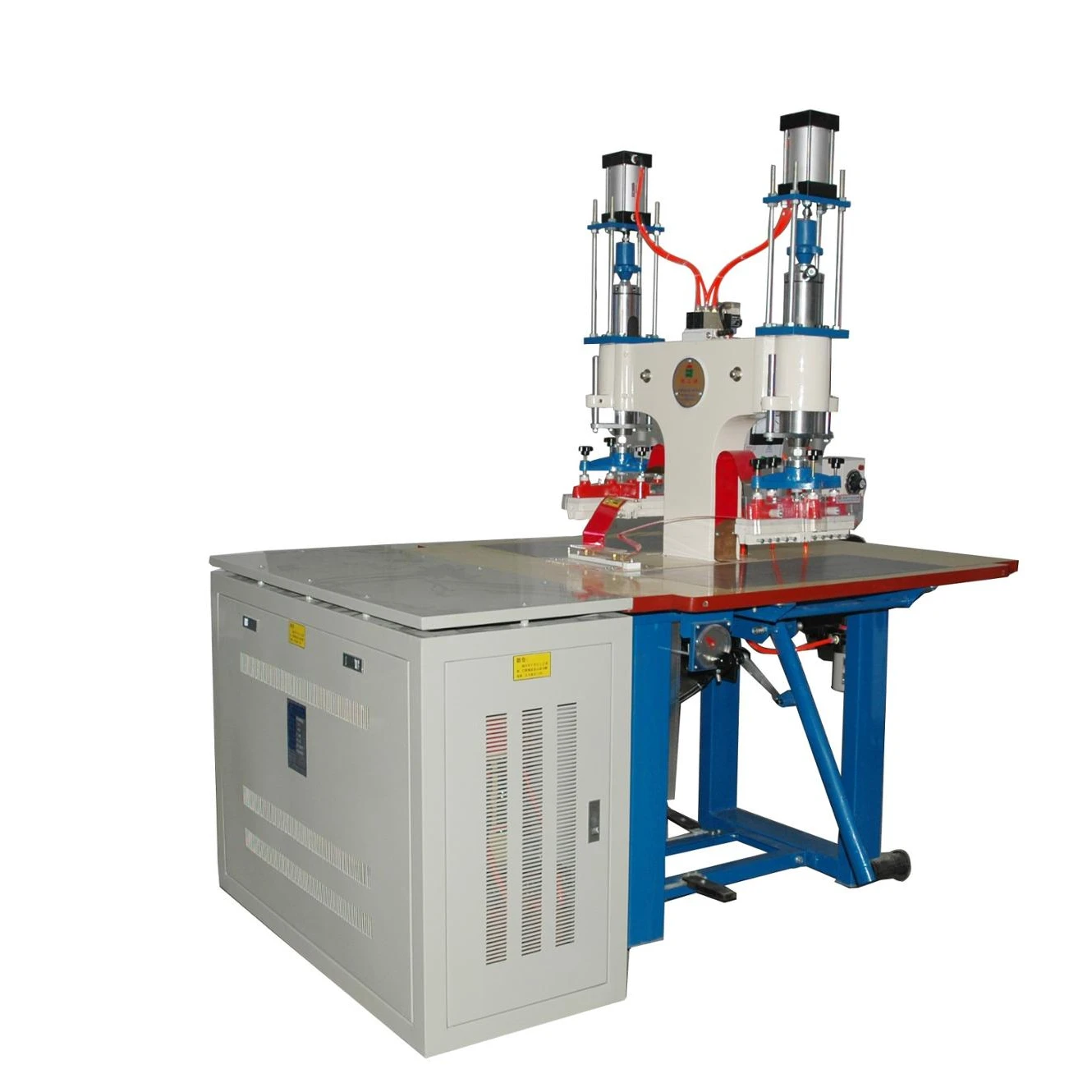
A PVC film welding machine represents sophisticated technology designed specifically for joining polyvinyl chloride films through controlled heat application and pressure. This specialized equipment operates by melting PVC material surfaces and creating permanent bonds that match or exceed the strength of the original material. The machine utilizes precise temperature control systems, typically ranging from 200 to 400 degrees Celsius, enabling operators to work with various PVC film thicknesses and compositions. Modern PVC film welding machines incorporate digital temperature displays, programmable welding cycles, and automatic shut-off features that ensure consistent results across production runs. The primary function centers on creating leak-proof seams for applications requiring waterproof or airtight connections. These machines accommodate different welding techniques including hot air welding, impulse welding, and ultrasonic welding methods. The technological framework includes adjustable welding speeds, pressure regulation systems, and interchangeable welding shoes that adapt to specific project requirements. Safety mechanisms such as thermal overload protection and emergency stop buttons protect both operators and equipment during operation. The PVC film welding machine finds extensive use in manufacturing industries producing inflatable products, medical devices, automotive components, and architectural membranes. Construction professionals rely on these machines for installing roofing membranes, pond liners, and vapor barriers. The equipment handles both thin decorative films and heavy-duty industrial membranes with equal precision. Advanced models feature programmable logic controllers that store welding parameters for different material types, reducing setup time and improving repeatability. The welding process creates molecular bonds between PVC surfaces, resulting in joints that resist environmental factors like UV radiation, chemical exposure, and mechanical stress. Quality control features include weld testing capabilities and real-time monitoring systems that detect irregularities during the welding process.
New Product Releases

The PVC film welding machine delivers exceptional cost savings by eliminating the need for adhesives, mechanical fasteners, or other joining methods that require ongoing material purchases. This equipment reduces labor costs significantly because automated welding processes complete joints faster than manual assembly techniques while maintaining superior quality standards. Operators benefit from reduced training requirements since modern machines feature intuitive controls and preset welding programs that minimize the learning curve for new users. The precision temperature control ensures consistent weld quality, reducing material waste from failed joints and rework requirements. Energy efficiency represents another major advantage as these machines consume less power compared to alternative joining methods like oven curing or chemical bonding processes. The welding speed capabilities allow manufacturers to increase production throughput without compromising joint integrity or requiring additional workforce expansion. Quality assurance improves dramatically because welded joints undergo immediate visual inspection, enabling real-time corrections rather than discovering defects during final product testing. The versatility of PVC film welding machines accommodates various material thicknesses and PVC formulations within a single piece of equipment, eliminating the need for multiple specialized tools. Maintenance requirements remain minimal due to robust construction and simple mechanical systems that reduce downtime and repair costs. The welding process creates permanent bonds that eliminate concerns about joint failure from temperature fluctuations, humidity changes, or aging that commonly affect adhesive connections. Environmental benefits include reduced volatile organic compound emissions since the process eliminates solvent-based adhesives and chemical treatments. The compact footprint of most PVC film welding machines allows integration into existing production lines without requiring facility modifications or additional floor space allocation. Operational flexibility enables both continuous production runs and custom project work, making the investment suitable for diverse business models. The immediate bond formation allows products to move directly to subsequent manufacturing stages or final packaging, reducing inventory holding times and improving cash flow. Safety improvements result from eliminating exposure to toxic adhesives and reducing manual handling of large material sections during the joining process.

Latest News

Taiwanese Client Visit FOXYEGN in Shanghai on May 26th

18

Sep

Taiwanese Client Visit FOXYEGN in Shanghai on May 26th

View More
Taiwanese Clients Visit FOXYEGN in Shanghai on August 18th

18

Sep

Taiwanese Clients Visit FOXYEGN in Shanghai on August 18th

View More
FOXYGEN Participated in 2019 Autumn Canton Fair in Guangzhou, China

18

Sep

FOXYGEN Participated in 2019 Autumn Canton Fair in Guangzhou, China

View More
FOXYGEN Launches Velvet Film Ceiling

26

Aug

FOXYGEN Launches Velvet Film Ceiling

View More

Get a Free Quote

Our representative will contact you soon.
Email
Name
Company Name
Message
0/1000

pvc film welding machine

Advanced Temperature Control Technology

Advanced Temperature Control Technology

The sophisticated temperature control system represents the cornerstone technology that distinguishes professional PVC film welding machines from basic heating tools. This advanced feature utilizes digital microprocessors that monitor and adjust heating elements with precision accuracy within plus or minus two degrees Celsius, ensuring optimal welding conditions regardless of ambient temperature variations or material thickness changes. The temperature control system incorporates multiple sensors positioned strategically throughout the welding head, providing real-time feedback that prevents overheating and material degradation while maintaining the ideal viscosity for molecular bonding. Users benefit from programmable temperature profiles that accommodate different PVC formulations, from flexible plasticized films to rigid architectural membranes, each requiring specific thermal parameters for optimal joint formation. The system includes ramping capabilities that gradually increase temperature to the target setting, preventing thermal shock that could cause material warping or uneven heating patterns. Safety interlocks automatically shut down heating elements when temperatures exceed predetermined limits, protecting both the equipment and materials from damage while ensuring operator safety. The digital display provides clear temperature readings in both Celsius and Fahrenheit, with memory functions that store frequently used settings for quick recall during production changeovers. Advanced models feature zone heating capabilities, allowing different sections of the welding head to maintain varying temperatures simultaneously, enabling complex welding applications that require graduated heat distribution. The temperature stability achieved through this technology ensures consistent weld penetration and uniform joint appearance across entire production runs, eliminating the quality variations common with manual temperature control methods. Calibration features allow users to verify and adjust temperature accuracy using standard measurement tools, maintaining compliance with quality management systems and industry specifications. The rapid heat-up times, typically reaching operating temperature within three to five minutes, minimize production delays while precise cool-down controls prevent material sticking and extend tool life significantly.
Versatile Material Compatibility System

Versatile Material Compatibility System

The versatile material compatibility system enables PVC film welding machines to process an extensive range of polyvinyl chloride materials, from ultra-thin decorative films measuring just 0.1 millimeters to heavy-duty industrial membranes exceeding 3 millimeters in thickness. This comprehensive compatibility stems from adjustable pressure systems that adapt clamping force to match material requirements, preventing crushing of delicate films while ensuring adequate contact pressure for thick membrane applications. The welding head design accommodates various PVC formulations including flexible, semi-rigid, and rigid compounds, each presenting different melting characteristics and bonding requirements. Specialized welding shoes interchange quickly to optimize contact patterns for specific material types, with curved profiles for cylindrical applications and flat configurations for sheet welding operations. The machine settings database stores optimal parameters for common PVC grades, including temperature, pressure, and welding speed combinations that produce consistently strong joints across different material suppliers and batch variations. Chemical compatibility extends beyond standard PVC to include modified polymers, co-extruded films, and reinforced membranes that incorporate fabric or mesh reinforcement layers. The feeding mechanism adjusts automatically to accommodate different material stiffness levels, preventing buckling in thin films while providing adequate support for heavy membranes that require precise positioning during welding. Quality control features include penetration depth sensors that verify proper weld formation regardless of material thickness variations, ensuring reliable joints even when working with materials that have slight dimensional tolerances. The system handles both single-layer and multi-layer PVC constructions, including laminates that combine different PVC grades for specific performance characteristics like UV resistance or chemical compatibility. Advanced models incorporate material recognition technology that identifies PVC grade through thermal response analysis, automatically selecting appropriate welding parameters and reducing setup time while minimizing the risk of improper settings that could compromise joint integrity. This versatility eliminates the need for multiple specialized machines, reducing equipment investment costs while providing the flexibility to accept diverse customer requirements and expand into new market applications without additional capital expenditure.
Precision Welding Speed Control

Precision Welding Speed Control

The precision welding speed control system delivers unparalleled accuracy in joint formation by maintaining consistent travel rates that ensure optimal heat input and material fusion throughout the entire welding operation. This sophisticated control mechanism utilizes servo motors and encoder feedback systems that monitor and adjust welding speed in real-time, compensating for variations in material drag, operator technique, or environmental conditions that could affect joint quality. The speed range typically spans from 1 to 15 meters per minute, providing the flexibility to accommodate both precision work requiring careful material handling and high-volume production demanding rapid throughput rates. Digital speed displays show actual welding velocity with resolution to one-tenth meter per minute, enabling operators to verify compliance with welding procedure specifications and maintain consistent quality standards across multiple operators and shifts. The control system includes acceleration and deceleration profiles that prevent sudden speed changes that could cause material distortion or incomplete fusion at weld start and stop points. Memory functions store speed settings for different material combinations and joint configurations, allowing rapid changeover between production runs while maintaining optimal parameters for each application. The consistent speed control directly impacts joint strength by ensuring uniform heat input per unit length of weld, preventing weak spots that result from speed variations during manual welding operations. Quality benefits include elimination of cold joints caused by excessive welding speed and prevention of material burn-through from insufficient travel rates, both common problems with manual speed control methods. The system integrates with temperature and pressure controls to maintain optimal welding windows, automatically adjusting parameters when speed changes affect thermal input requirements. Production efficiency improves significantly because operators can focus on material positioning and quality observation rather than maintaining consistent manual speed control throughout long welding operations. Advanced models feature programmable speed sequences that automatically adjust velocity for different sections of complex joints, such as slower speeds for corners and intersections where additional heat input ensures complete fusion. The precision control enables successful welding of challenging applications including thin materials that require careful heat management and thick membranes that need extended heating time for complete penetration, expanding the range of projects that single equipment can handle effectively and improving return on investment through increased application versatility.
Professional PVC Film Welding Machine - Advanced Technology for Superior Bonding Results

Get a Free Quote

Our representative will contact you soon.
Email
Name
Company Name
Message
0/1000