Exceptional Durability and Performance Characteristics
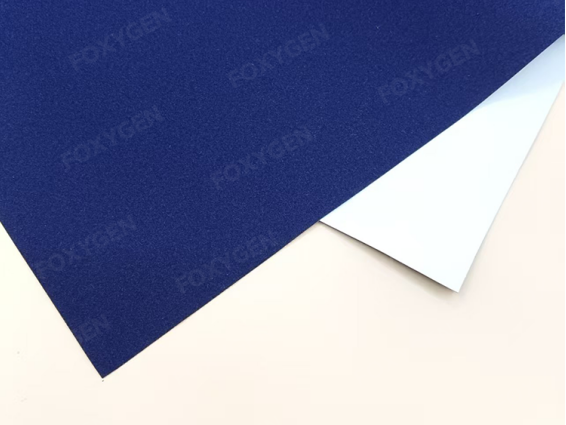
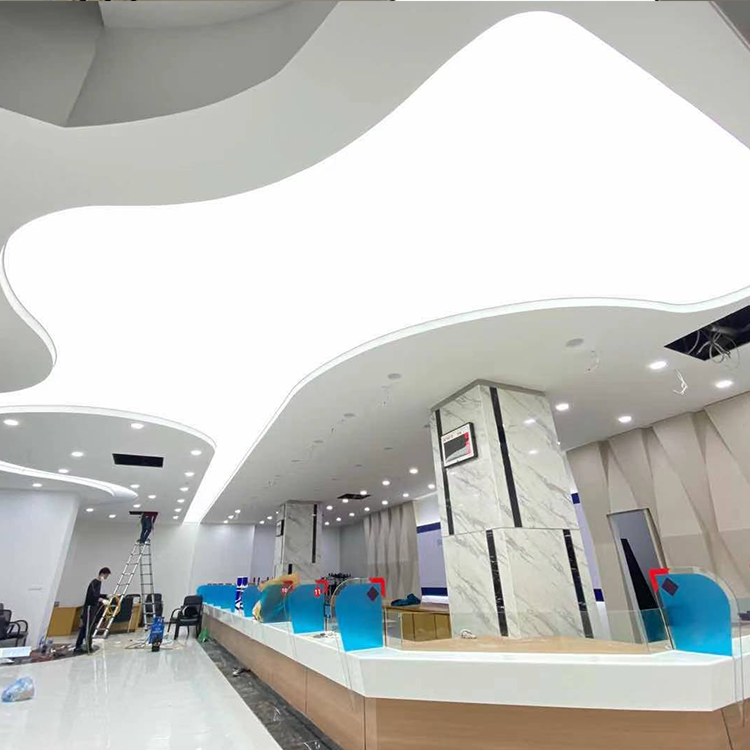
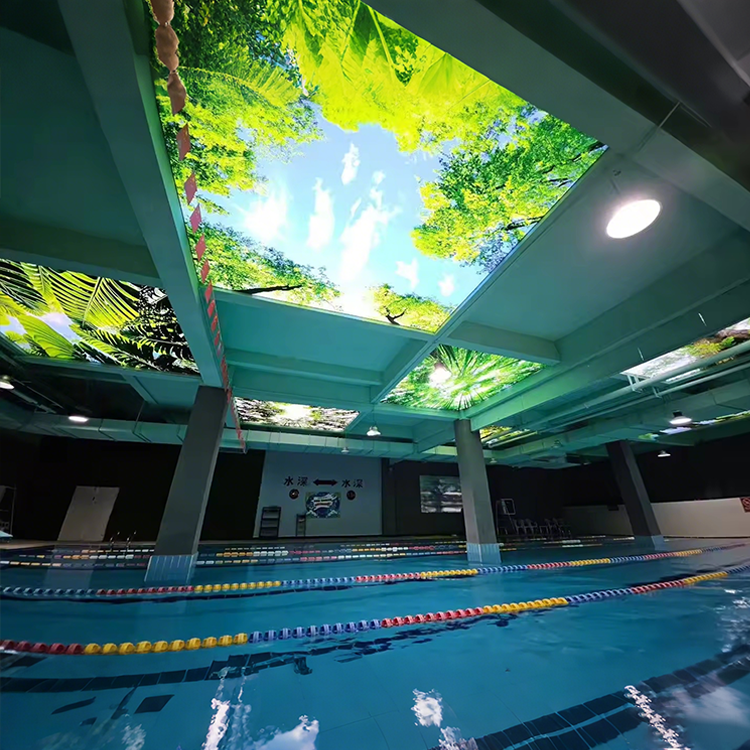
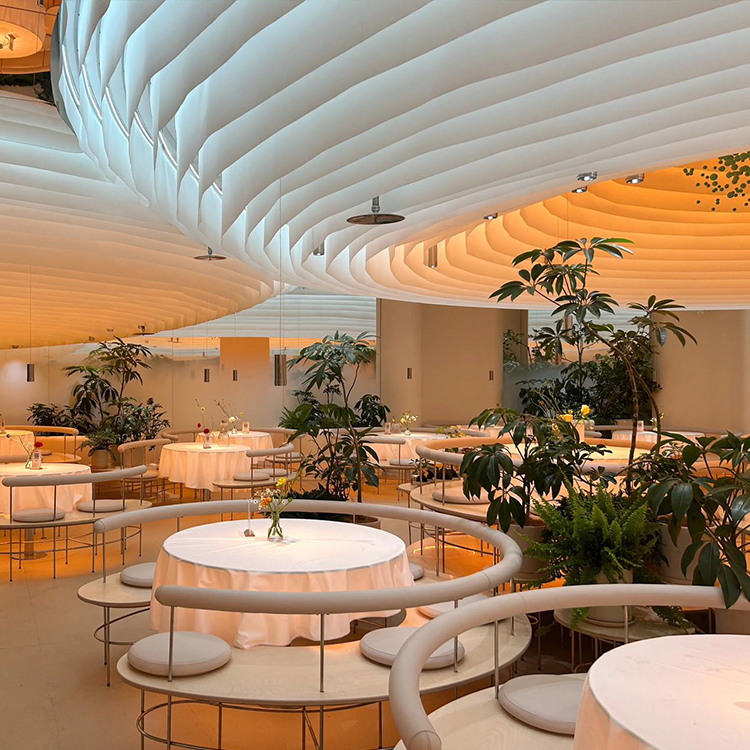
The stretch ceiling system demonstrates outstanding longevity and performance that surpasses traditional ceiling materials in virtually every measurable category. The specialized membranes used in stretch ceiling system construction undergo rigorous testing and quality control processes that ensure consistent performance across diverse environmental conditions and applications. These materials resist common ceiling problems including sagging, cracking, peeling, and discoloration that plague conventional plaster, drywall, and painted surfaces over time. The stretch ceiling system maintains its original appearance and structural integrity for decades, with manufacturer warranties typically extending 10-15 years and actual service life often exceeding 30 years under normal conditions. The system's resistance to moisture makes it ideal for areas prone to humidity fluctuations, such as bathrooms, kitchens, pools, and basements, where traditional ceilings often fail prematurely due to water damage or condensation. Temperature stability represents another key performance advantage, as the stretch ceiling system materials maintain their properties across wide temperature ranges without becoming brittle in cold conditions or softening excessively in heat. The membrane's flexibility allows it to accommodate normal building movement and settling without developing stress cracks or separation at joints, problems that commonly affect rigid ceiling materials. Fire resistance properties meet or exceed building code requirements, with many stretch ceiling system membranes achieving Class A fire ratings while producing minimal smoke or toxic gases if exposed to flame. The system's chemical resistance protects against staining from cleaning products, cooking vapors, or industrial processes that would damage conventional ceiling surfaces. UV stability ensures that colored and printed stretch ceiling system installations maintain their appearance even under intense artificial lighting or in spaces with significant natural light exposure. The non-porous surface prevents bacterial growth and makes the system suitable for sterile environments including hospitals, laboratories, and food preparation areas. Structural performance remains consistent throughout the system's service life, with proper installation ensuring the membrane maintains optimal tension without developing wrinkles, bubbles, or other surface irregularities that could compromise its appearance or function.
 ×
×


 EN
EN