
 EN
EN



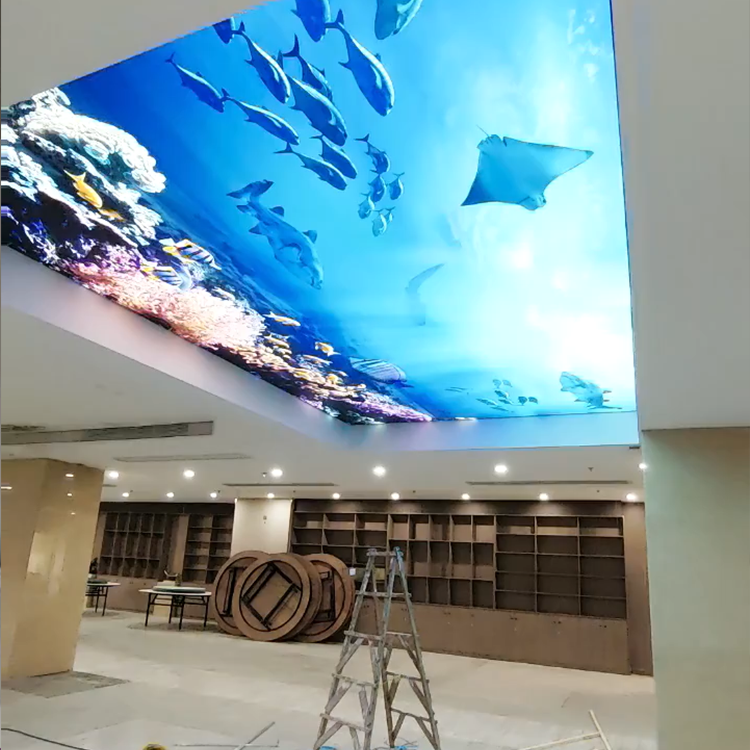
Selecting the right outdoor light box for your business signage requires understanding the fundamental differences between edge-lit and back-lit configurations and how these technologies perform under real-world environmental conditions. Both edge-lit and back-lit outdoor light box designs serve the purpose of illuminating advertising graphics and promotional content, yet they deliver vastly different results in brightness uniformity, energy efficiency, installation complexity, and long-term maintenance requirements. Business owners, property managers, and marketing professionals must evaluate several technical and operational factors before committing to either technology, especially when outdoor exposure introduces challenges like temperature fluctuations, moisture ingress, UV degradation, and variable ambient lighting conditions throughout the day and across seasons.
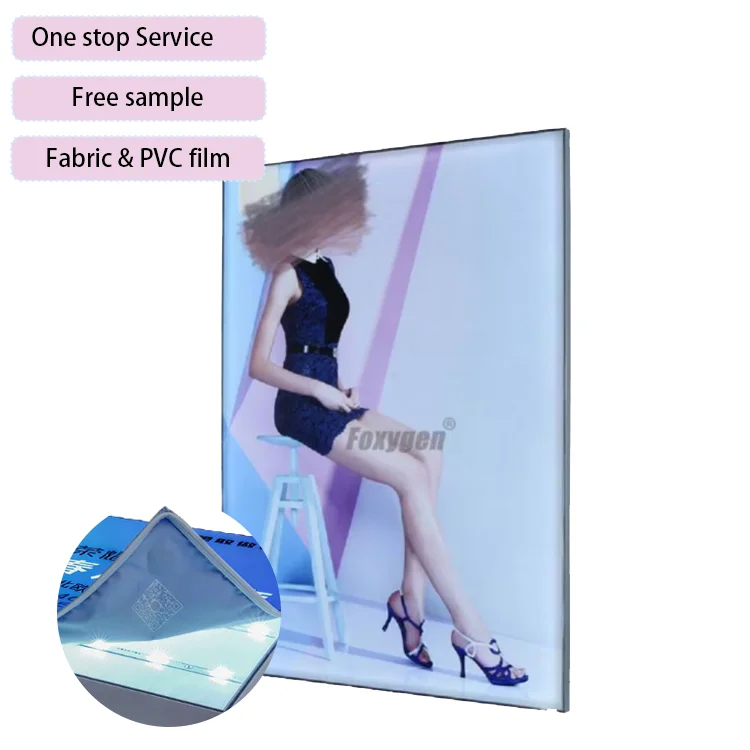
The decision between edge-lit and back-lit outdoor light box systems ultimately depends on your specific application context, budget constraints, desired visual impact, installation location characteristics, and anticipated service life expectations. Edge-lit designs position LED strips along the perimeter of the light box frame, directing light across a light guide panel that distributes illumination toward the graphic face, while back-lit configurations place LED modules directly behind the translucent graphic material, flooding it with direct illumination from multiple points across the entire surface area. Each approach carries distinct advantages and limitations that become particularly pronounced in outdoor environments where weather resistance, visibility under direct sunlight, and maintenance accessibility play critical roles in overall system performance and return on investment.
Understanding Edge-Lit Outdoor Light Box Technology and Performance Characteristics
How Edge-Lit Systems Function in Outdoor Applications
Edge-lit outdoor light box systems employ LED strips mounted along the internal perimeter edges of the frame, typically on two or four sides depending on the desired brightness level and uniformity requirements. These LED strips emit light into a specialized acrylic or polycarbonate light guide panel engineered with micro-dot patterns, laser etchings, or printed diffusion elements that redirect edge-introduced light toward the viewing surface at controlled angles. The light guide panel essentially transforms linear edge illumination into surface-wide distribution, creating a slim profile enclosure that maintains relatively uniform brightness across the graphic face while minimizing the physical depth of the outdoor light box unit.
In outdoor applications, edge-lit configurations offer significant advantages in terms of weatherproofing simplicity because the LED components remain sealed within the frame's perimeter channel, protected from direct moisture contact and dust accumulation that might otherwise compromise electrical connections. The reduced component count along the back surface also simplifies the internal sealing requirements, allowing manufacturers to achieve higher IP ratings with fewer potential failure points. However, edge-lit outdoor light box designs face inherent limitations in maximum achievable brightness, especially in high-ambient-light environments such as direct sunlight exposure during midday hours, where the indirect light path through the guide panel results in lower lumen output compared to direct-illumination back-lit alternatives.
Edge-Lit Brightness Uniformity and Visibility Considerations
The brightness uniformity of an edge-lit outdoor light box depends heavily on the quality of the light guide panel engineering, the spacing and power of the perimeter LED strips, and the size of the overall display area. Smaller edge-lit units below two square meters typically achieve acceptable uniformity ratios, often maintaining center-to-edge brightness variations within fifteen to twenty percent under controlled conditions. Larger outdoor light box installations exceeding three square meters frequently exhibit noticeable brightness falloff toward the center regions, particularly when illuminated from only two edges rather than all four perimeter sides, resulting in dim zones that compromise graphic legibility and visual impact during evening hours.
Outdoor visibility challenges intensify for edge-lit outdoor light box systems when ambient sunlight competes with the internal illumination, washing out graphic details and reducing color saturation during daylight hours. While edge-lit designs may provide adequate visibility for covered walkway installations, building entrances with partial shade, or locations where direct sunlight exposure remains limited throughout the day, they often struggle to maintain commanding visual presence in fully exposed outdoor environments such as roadside billboards, parking lot signage, or building facades receiving unobstructed southern or western sun exposure. Decision-makers must honestly assess the installation location's sunlight exposure patterns across different seasons and times of day before committing to an edge-lit outdoor light box for high-visibility advertising applications.
Energy Efficiency and Operating Cost Factors for Edge-Lit Designs
Edge-lit outdoor light box systems generally consume less electrical power than equivalent back-lit configurations because they employ fewer total LED modules concentrated along the frame perimeter rather than distributed across the entire back panel surface. A typical edge-lit outdoor light box measuring two meters by one meter might operate on forty to sixty watts of LED power, compared to eighty to one hundred twenty watts for a comparable back-lit unit attempting to achieve similar or superior brightness levels. This reduced power consumption translates to lower ongoing electricity costs and decreased heat generation within the enclosure, which can extend LED lifespan and reduce the thermal stress on internal components and graphic materials.
However, the energy efficiency advantage of edge-lit outdoor light box designs becomes less meaningful when brightness requirements increase to compete with high-ambient-light outdoor conditions, as operators may need to specify higher-power LED strips or additional edge-mounted modules that narrow the power consumption gap with back-lit alternatives. Furthermore, if the edge-lit system cannot deliver sufficient visibility during critical viewing hours, requiring supplementary lighting solutions or more frequent graphic replacements due to UV degradation of under-illuminated materials, the total cost of ownership may actually exceed that of a properly specified back-lit outdoor light box despite the lower nominal power rating.
Evaluating Back-Lit Outdoor Light Box Design and Outdoor Suitability
Back-Lit Illumination Architecture and Light Distribution Mechanics
Back-lit outdoor light box configurations distribute LED modules across the entire rear surface area of the enclosure, either as individual discrete LED bars arranged in parallel rows or as continuous LED strip arrays mounted to a reflective backing panel. This distributed illumination approach floods the translucent graphic material with direct light from multiple points, creating higher overall brightness output and more consistent illumination density compared to edge-lit designs that must redistribute light across greater distances from perimeter entry points. The back-lit outdoor light box architecture allows for more granular control over brightness zones and easier compensation for graphic density variations, as denser printed areas receive direct illumination rather than relying on light transmission through optical guide materials.
Modern back-lit outdoor light box systems increasingly employ tension fabric graphics with silicone edge gaskets that create frameless visual presentations while maintaining weather-tight seals around the perimeter. These SEG systems combine the brightness advantages of back-lit illumination with tool-free graphic changeability and enhanced moisture resistance compared to traditional snap-frame or screw-secured graphic retention methods. The direct illumination path in back-lit configurations also enables the use of higher-opacity graphic materials that might appear too dark in edge-lit applications, expanding creative options for designers while maintaining excellent outdoor visibility under challenging lighting conditions.
Weather Resistance and Durability Considerations for Back-Lit Systems
Back-lit outdoor light box designs face more complex weatherproofing requirements than edge-lit alternatives because the distributed LED array creates numerous electrical connection points across the back panel surface that must remain protected from moisture infiltration, condensation accumulation, and temperature-induced expansion and contraction cycles. Quality back-lit outdoor light box manufacturers address these challenges through comprehensive sealing strategies including conformal coating on LED circuit boards, silicone gasket seals around all panel joints, pressure-equalization vents with moisture barriers, and marine-grade electrical connectors rated for continuous outdoor exposure.
The increased component density within back-lit outdoor light box enclosures also generates more internal heat compared to edge-lit designs, requiring adequate ventilation design to prevent premature LED degradation and graphic material damage from sustained elevated temperatures. Properly engineered back-lit systems incorporate passive or active thermal management features such as aluminum heat-sink backing panels, convection ventilation pathways, or in extreme climates, low-voltage cooling fans with weather-protected intake and exhaust ports. These thermal management requirements add complexity and cost to back-lit outdoor light box designs but remain essential for achieving the rated LED lifespan and maintaining color consistency over multi-year outdoor deployment periods.
Brightness Performance and Daytime Visibility Advantages
The most compelling advantage of back-lit outdoor light box technology lies in superior brightness output capability, particularly critical for installations requiring strong visual impact during daylight hours or in high-ambient-light environments. Back-lit configurations can achieve surface luminance levels exceeding four thousand to six thousand nits through proper LED spacing and power management, compared to typical edge-lit systems struggling to reach two thousand nits even with premium light guide panels and high-power perimeter LEDs. This brightness differential becomes decisive for outdoor light box applications in direct sunlight exposure, busy commercial districts with competing illuminated signage, or highway-adjacent locations where viewing distances exceed ten meters.
Higher brightness capability also provides operational flexibility for back-lit outdoor light box systems, allowing operators to run LEDs at reduced power levels during evening hours to conserve energy while maintaining excellent visibility, then increase output during midday periods when ambient light competition intensifies. This dynamic brightness control, increasingly manageable through integrated photocell sensors and programmable controllers, optimizes the balance between visibility effectiveness and energy consumption across varying outdoor lighting conditions throughout the day and across seasonal changes in sunrise and sunset timing.
Critical Decision Factors When Selecting Between Edge-Lit and Back-Lit Outdoor Light Box Options
Installation Location Environmental Analysis
The physical environment surrounding your proposed outdoor light box installation site provides perhaps the most important selection criteria between edge-lit and back-lit technologies. Locations with substantial overhead coverage, northern exposures receiving minimal direct sunlight, or shaded urban canyons between tall buildings may perform adequately with edge-lit designs offering acceptable visibility at lower initial investment and reduced operating costs. Conversely, installations on building rooftops, open parking areas, highway-facing facades, or any location receiving unobstructed sunlight for extended periods throughout the day typically demand the superior brightness output that only back-lit outdoor light box configurations can reliably deliver.
Ambient light measurement at the proposed installation location during peak sunlight hours provides objective data for technology selection decisions. Simple lux meter readings taken at the planned outdoor light box mounting surface during midday on clear days reveal the ambient illumination levels your signage must overcome to maintain visibility. Locations exceeding fifty thousand lux during peak hours generally require back-lit outdoor light box systems to achieve commanding visual presence, while sites measuring below thirty thousand lux might succeed with properly specified edge-lit alternatives depending on viewing distance and required attention-grabbing impact.
Viewing Distance and Graphic Size Requirements
The distance from which viewers will primarily observe your outdoor light box directly influences the minimum brightness levels required for effective communication and the relative importance of perfect uniformity versus absolute light output. Close-proximity applications such as storefront window displays, building entrance directories, or pedestrian walkway signage viewed from three to five meters may tolerate the slight center-dimming characteristics of edge-lit designs while benefiting from their slimmer profiles and lower power consumption. Conversely, outdoor light box installations intended for vehicle traffic visibility, building identification from across parking areas, or architectural accent lighting viewed from twenty meters or greater distances require the brightness intensity that back-lit configurations deliver more effectively.
Larger graphic dimensions also favor back-lit outdoor light box technology because maintaining acceptable brightness uniformity across expansive edge-lit panels becomes progressively more difficult and expensive as dimensions increase beyond standard sizes. While edge-lit systems may adequately illuminate displays up to two meters in their longest dimension, outdoor light box installations exceeding three meters in width or height generally achieve better results with back-lit architectures that distribute light sources across the entire area rather than attempting to project illumination from distant perimeter edges toward central regions.
Budget Constraints and Total Cost of Ownership Analysis
Initial purchase price comparisons between edge-lit and back-lit outdoor light box systems often favor edge-lit options by fifteen to thirty percent for equivalent frame sizes, reflecting their simpler component requirements and reduced LED module counts. However, comprehensive total cost of ownership calculations must include installation labor, ongoing electricity consumption, maintenance frequency and complexity, expected graphic replacement intervals, and anticipated service life before major component refurbishment or complete unit replacement becomes necessary.
Back-lit outdoor light box systems may justify their higher initial investment through superior performance longevity and reduced graphic replacement frequency in harsh outdoor environments where their higher brightness output better protects graphic materials from appearing faded or washed-out before reaching their rated lifespan. The ability to operate back-lit LEDs at reduced power percentages while maintaining adequate visibility also provides energy consumption flexibility that may narrow or eliminate the operating cost advantage initially attributed to lower-wattage edge-lit alternatives. Decision-makers should request detailed energy consumption specifications under realistic operating scenarios rather than relying solely on maximum rated power numbers when comparing outdoor light box technologies.
Maintenance Accessibility and Serviceability Planning
Long-term maintenance requirements differ substantially between edge-lit and back-lit outdoor light box configurations, influencing both ongoing labor costs and system downtime during service intervals. Edge-lit systems concentrate all serviceable components within accessible frame perimeter channels, allowing technicians to replace failed LED strips or drivers without disassembling the entire unit or removing graphics in many designs. This serviceability advantage reduces maintenance labor time and minimizes business disruption when component replacement becomes necessary after several years of continuous outdoor operation.
Back-lit outdoor light box maintenance typically requires more extensive disassembly to access interior LED arrays, often necessitating complete graphic removal and rear panel opening to replace failed LED bars or circuit boards. However, the distributed LED architecture in back-lit systems provides inherent redundancy, allowing continued operation at reduced brightness levels if individual LED modules fail, whereas edge-lit configurations may experience dramatic brightness loss or complete dark zones if a single perimeter LED strip fails. Quality back-lit outdoor light box designs incorporate modular LED components with quick-disconnect electrical interfaces that streamline replacement procedures despite the additional disassembly steps required to access internal components.
Practical Application Scenarios and Technology Recommendation Guidelines
Optimal Edge-Lit Outdoor Light Box Applications
Edge-lit outdoor light box technology delivers excellent results in specific application contexts where its inherent characteristics align with operational requirements and environmental conditions. Covered outdoor spaces such as shopping mall walkways, transit station platforms with overhead weather protection, building entrance canopies, and parking garage wayfinding signage represent ideal edge-lit deployment scenarios where weather exposure remains limited while some illumination enhancement over non-lit signage provides adequate visibility improvement. These partially protected environments allow edge-lit outdoor light box systems to perform reliably without facing the extreme brightness demands of fully exposed outdoor advertising applications.
Secondary building signage applications including tenant directories, regulatory notices, safety information displays, and decorative architectural accent features also suit edge-lit outdoor light box technology when these installations serve supplementary rather than primary visual communication roles. Locations where the outdoor light box competes with minimal ambient lighting during primary viewing hours, such as building facades visible mainly during evening and nighttime periods, may achieve satisfactory performance with edge-lit designs while benefiting from their lower power consumption and simplified installation requirements compared to back-lit alternatives.
Preferred Back-Lit Outdoor Light Box Use Cases
Back-lit outdoor light box systems represent the superior choice for primary advertising signage, brand identity displays, and any application where commanding visual presence and maximum legibility under all lighting conditions justify the additional investment in brightness capability and weather resistance. Retail storefront window displays, restaurant menu boards, hotel entrance signage, corporate building identification, and vehicle dealership promotional displays all benefit from the superior daytime visibility and graphic vibrancy that back-lit configurations deliver in competitive visual environments where capturing attention drives business results.
Highway-visible signage, large-format building-mounted advertising panels, outdoor shopping center directories, sports facility sponsor displays, and any outdoor light box installation where viewing distances exceed fifteen meters should default to back-lit technology unless budget constraints absolutely prohibit the additional investment. The brightness differential between back-lit and edge-lit designs becomes increasingly critical as viewing distances increase, with back-lit outdoor light box systems maintaining legibility and visual impact at distances where edge-lit alternatives fade into background visual noise among surrounding environmental elements.
Hybrid Solutions and Emerging Technology Considerations
Some advanced outdoor light box manufacturers now offer hybrid illumination designs that combine edge-lit and back-lit elements to optimize specific performance characteristics while managing cost and power consumption concerns. These hybrid systems might employ edge-lit technology for primary illumination supplemented by strategically positioned back-lit accent zones that highlight critical graphic elements, logos, or call-to-action messaging requiring maximum visibility and impact. While increasing design complexity, hybrid outdoor light box configurations provide customization flexibility for applications with mixed requirements or unique environmental challenges.
Emerging LED technology improvements continue narrowing performance gaps between edge-lit and back-lit outdoor light box designs through higher-efficiency LED chips, advanced light guide panel engineering, and intelligent brightness management systems. However, the fundamental physics of light distribution ensures that direct back-lit illumination will maintain brightness advantages over indirect edge-lit architectures for the foreseeable future, making back-lit configurations the more future-proof choice for applications where outdoor visibility remains paramount and where operators prefer avoiding premature obsolescence as viewer expectations and competitive signage standards continue evolving toward brighter, more vibrant displays.
FAQ
What is the typical lifespan difference between edge-lit and back-lit outdoor light box systems?
Both edge-lit and back-lit outdoor light box technologies typically achieve fifty thousand to seventy thousand hours of LED operational life when properly manufactured with quality components and adequate thermal management. However, back-lit systems may experience slightly shorter practical service life in harsh outdoor environments due to their higher component density and greater internal heat generation, while edge-lit designs benefit from simpler thermal profiles and fewer potential failure points. The actual lifespan depends more on manufacturing quality, installation expertise, and environmental conditions than on the fundamental lighting architecture, with both technologies capable of delivering seven to ten years of reliable outdoor service under proper operating conditions and reasonable maintenance practices.
Can I retrofit an existing edge-lit outdoor light box to back-lit configuration or vice versa?
Retrofitting between edge-lit and back-lit outdoor light box architectures typically proves impractical and cost-prohibitive because the two technologies require fundamentally different structural designs, electrical layouts, and thermal management approaches. Edge-lit frames incorporate light guide panels and perimeter LED channels that cannot accommodate distributed back-lit LED arrays, while back-lit enclosures lack the specialized optical components required for edge-lit operation. Organizations considering technology changes should plan for complete outdoor light box replacement rather than attempting retrofits, ensuring proper weatherproofing, electrical certification, and warranty coverage that conversion projects would compromise.
How does cold weather affect edge-lit versus back-lit outdoor light box performance?
Both edge-lit and back-lit outdoor light box systems experience brightness increases in cold weather as LED efficiency improves at lower operating temperatures, though extreme cold below negative twenty degrees Celsius may cause temporary dimming until internal temperatures stabilize. Edge-lit designs face additional cold-weather challenges as acrylic light guide panels become more brittle and susceptible to cracking from impact or thermal shock, while polycarbonate alternatives offer better low-temperature durability. Back-lit outdoor light box systems generally tolerate cold weather more reliably due to their internal heat generation from distributed LED arrays, which helps prevent condensation and ice formation inside the enclosure, though both technologies require proper weatherproofing and sealed construction to prevent moisture infiltration regardless of illumination architecture.
Which outdoor light box technology offers better color rendering for photographic graphics?
Back-lit outdoor light box systems deliver superior color rendering and graphic vibrancy compared to edge-lit alternatives because their direct illumination path maintains spectral integrity without the color shifting that can occur as light passes through and reflects within edge-lit light guide panels. High-quality LEDs with color rendering index values above ninety provide excellent color accuracy in both architectures, but back-lit configurations preserve these color qualities more effectively from LED source to viewer perception. Applications showcasing product photography, brand colors requiring precise matching, or artistic imagery with subtle tonal variations achieve noticeably better results with back-lit outdoor light box technology, while edge-lit designs remain acceptable for text-heavy graphics, simple logo presentations, and applications where perfect color fidelity takes secondary priority to other operational considerations.
Table of Contents
- Understanding Edge-Lit Outdoor Light Box Technology and Performance Characteristics
- Evaluating Back-Lit Outdoor Light Box Design and Outdoor Suitability
- Critical Decision Factors When Selecting Between Edge-Lit and Back-Lit Outdoor Light Box Options
- Practical Application Scenarios and Technology Recommendation Guidelines
-
FAQ
- What is the typical lifespan difference between edge-lit and back-lit outdoor light box systems?
- Can I retrofit an existing edge-lit outdoor light box to back-lit configuration or vice versa?
- How does cold weather affect edge-lit versus back-lit outdoor light box performance?
- Which outdoor light box technology offers better color rendering for photographic graphics?