
 EN
EN


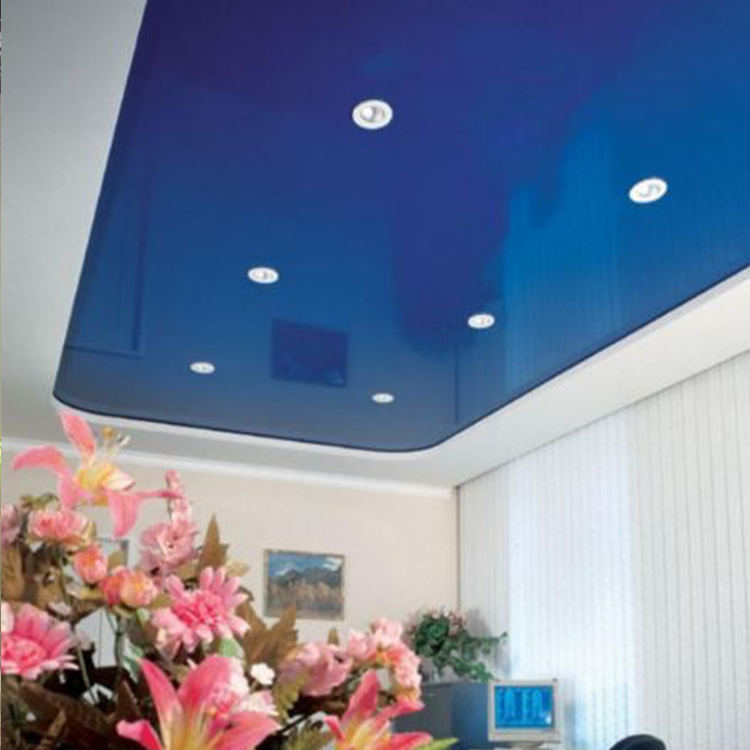
The demand for stretch ceiling systems across the Middle East has grown significantly over the past decade, driven by the region's rapid pace of commercial, hospitality, and residential construction. Architects and interior designers working on projects in the UAE, Saudi Arabia, Qatar, and neighboring markets now require stretch ceiling systems that meet rigorous local fire safety and moisture resistance standards. Understanding what distinguishes approved stretch ceiling systems from generic alternatives is essential for any project team aiming to deliver compliant, high-performance interiors.
Stretch ceiling systems used in Middle East construction must satisfy a specific combination of regional building codes, international fire classifications, and environmental performance benchmarks. This article explains what fire rated and waterproof stretch ceiling systems involve, which compliance criteria matter most in this market, and how project teams can select and install the right solution with confidence. Whether you are specifying stretch ceiling systems for a luxury hotel in Dubai or a government facility in Riyadh, the information below will guide your decision-making process.
What Makes Stretch Ceiling Systems Fire Rated
Fire Classification Standards for Stretch Ceiling Systems
Fire rating is among the most critical compliance requirements for stretch ceiling systems operating in the Middle East. The region largely references international standards such as EN 13501-1 and ASTM E84, as well as locally enforced civil defense codes from authorities including the UAE Civil Defence and the Saudi Building Code. Stretch ceiling systems that carry a Class B or Class 1 fire reaction classification under these frameworks are generally accepted for commercial, hospitality, and public-use interiors.
Fire rated stretch ceiling systems are manufactured using PVC membranes or polyester fabrics that have been chemically treated or compounded to resist ignition, limit flame spread, and reduce smoke generation. The film used in compliant stretch ceiling systems must pass standardized burn tests under controlled laboratory conditions, and the resulting certification documents must accompany the product when it enters a regulated construction site in the region. Specifying stretch ceiling systems without verified fire ratings puts projects at risk of failing civil defense inspections and delaying occupancy approvals.
Thermal and Smoke Performance in Stretch Ceiling Systems
Beyond basic flame spread, stretch ceiling systems in the Middle East must also demonstrate controlled smoke density and low toxic gas emission during a fire event. This is particularly important for enclosed commercial spaces, underground car parks, and high-occupancy hospitality venues where evacuation time is critical. Stretch ceiling systems with low smoke development indices provide occupants with additional evacuation time and reduce liability for building owners and contractors.
Some stretch ceiling systems are also designed to integrate with fire suppression infrastructure. When sprinkler systems are installed above the ceiling plane, the membrane in these stretch ceiling systems must either melt at a specific temperature to allow water release or incorporate pre-cut access points aligned with sprinkler heads. This design consideration is non-negotiable for stretch ceiling systems used in commercial properties governed by Middle East civil defense requirements.
Waterproof Performance in Middle East Stretch Ceiling Systems
Why Waterproofing Matters for Stretch Ceiling Systems
Although the Middle East is predominantly arid, waterproof stretch ceiling systems remain essential for a wide range of interior applications. Stretch ceiling systems installed in bathrooms, spas, swimming pool enclosures, hotel corridors, and coastal properties are regularly exposed to humidity, condensation, and water ingress from plumbing above the ceiling line. Without proper waterproofing, ceiling membranes can sag, discolor, or become structurally compromised over time.
Waterproof stretch ceiling systems use high-density PVC membranes that are inherently impermeable to liquid water. These stretch ceiling systems can collect and hold standing water temporarily without deforming, which makes them valuable for applications where pipe leaks or HVAC condensation represent a recurring risk. The collected water can be safely drained during maintenance without replacing the membrane. This capability is one of the most practical advantages stretch ceiling systems offer over traditional gypsum board or plaster ceilings in humid or water-exposed zones.
Surface Finishes and Durability of Waterproof Stretch Ceiling Systems
Waterproof stretch ceiling systems are available in a wide range of surface finishes including matte, satin, gloss, and translucent options. These finishes allow designers to maintain visual quality while meeting functional waterproofing requirements. Stretch ceiling systems with anti-fungal and anti-bacterial surface treatments are especially relevant for healthcare facilities, food service kitchens, and wellness centers common in the Middle East hospitality sector.
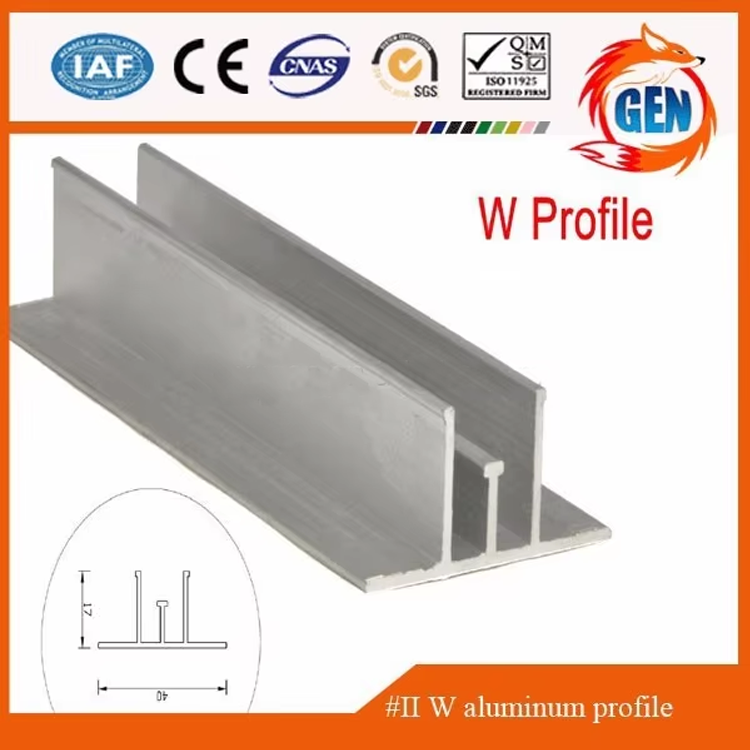
The durability of waterproof stretch ceiling systems is also influenced by the quality of the harpoon or track mounting system used during installation. Stretch ceiling systems installed with precision-engineered aluminum profiles maintain consistent membrane tension over years of use, even under temperature variation. In the Middle East, where interior temperatures can fluctuate significantly between air-conditioned spaces and outdoor corridors, the dimensional stability of stretch ceiling systems is a vital performance metric.
Installation and Compliance for Stretch Ceiling Systems
Approved Installation Practices for Stretch Ceiling Systems
The performance of stretch ceiling systems in any Middle East project depends heavily on correct installation. Approved stretch ceiling systems are supplied with dedicated aluminum track profiles, harpoon-edged membranes, and compatible accessories designed to work together as a complete system. Substituting components from different manufacturers can void fire certifications and compromise the structural integrity of the finished stretch ceiling systems.
Trained installation teams use calibrated heat guns to gently warm the PVC membrane, making stretch ceiling systems flexible enough to be clipped into the perimeter track without overstressing the material. Proper heat management during installation ensures that stretch ceiling systems achieve the smooth, wrinkle-free finish required for premium interior applications. Project managers should verify that installation contractors are authorized to fit the specific stretch ceiling systems being specified, as improper installation can invalidate warranties and compliance documentation.
Documentation and Third-Party Certification for Stretch Ceiling Systems
For stretch ceiling systems to gain acceptance on regulated Middle East project sites, suppliers must provide full technical documentation. This typically includes fire test certificates, material safety data sheets, product origin declarations, and installation guidelines. Stretch ceiling systems submitted for civil defense review must present traceable certification from accredited testing laboratories. Projects that rely on uncertified stretch ceiling systems face potential rejection during final inspections, which can result in costly rework and schedule delays.
FAQ
Are stretch ceiling systems suitable for outdoor or semi-outdoor use in the Middle East?
Most stretch ceiling systems are designed for interior use, but specialized UV-resistant membranes exist for semi-covered outdoor spaces such as terraces and canopies. These stretch ceiling systems must be specifically rated for outdoor exposure, as standard interior membranes will degrade under direct sunlight and extreme heat common across the Middle East region.
How long do fire rated stretch ceiling systems typically last?
High-quality stretch ceiling systems with proper fire ratings and correct installation can last 15 to 25 years under normal interior conditions. The longevity of stretch ceiling systems depends on membrane quality, installation precision, ambient temperature stability, and regular maintenance of the surrounding structure.
Can stretch ceiling systems be removed and reinstalled in a different space?
Yes, one of the practical advantages of stretch ceiling systems is their potential for removal and reuse. Trained technicians can detach the membrane from the track system, store it carefully, and refit stretch ceiling systems in a new location without significant material loss, making them a cost-effective and flexible ceiling solution for adaptable commercial interiors.