
 EN



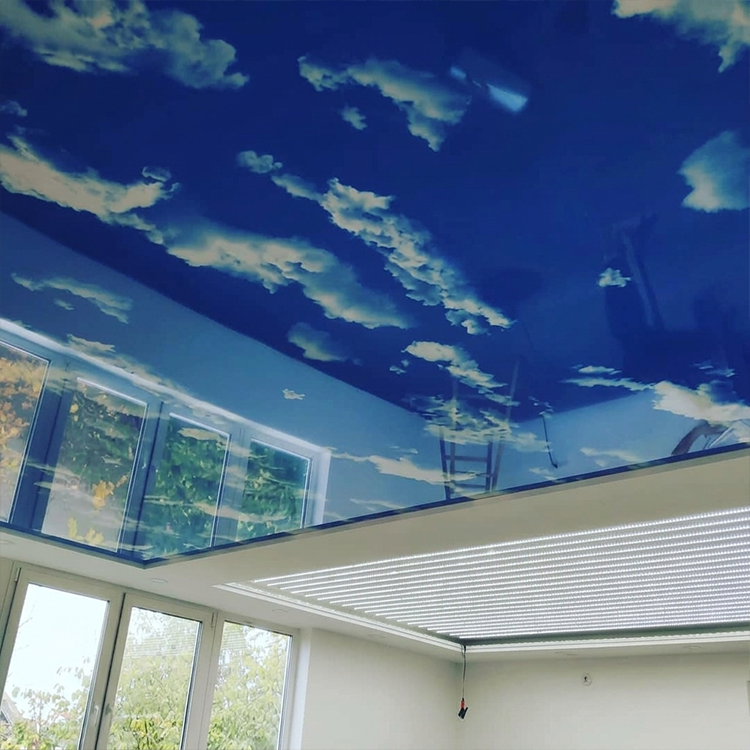
Purchasing stretch ceilings in bulk can simplify procurement across multiple rooms or projects, but only when the order reflects real site requirements. A low unit price does not compensate for mismatched specifications, inconsistent batches, delivery delays, or materials that crews cannot install as planned. Before committing, review the five mistakes that most often create avoidable costs and disruption.
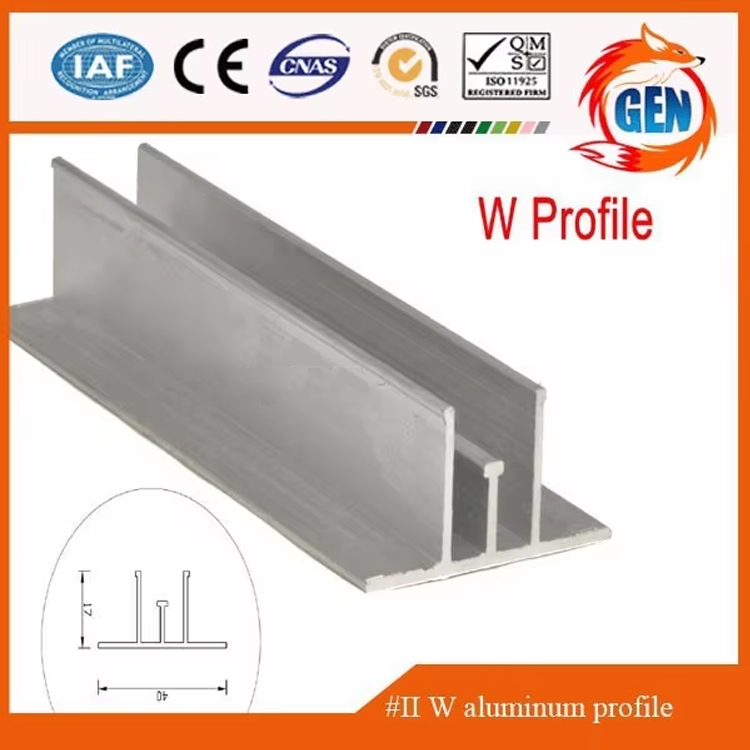
A reliable bulk order begins with documented scope, confirmed product details, and a workable delivery plan. Treat stretch ceilings as a coordinated system rather than a line item: film, profiles, fittings, installation conditions, and room measurements all affect the outcome. The following checks help purchasing teams reduce uncertainty before approving quantities, payment terms, and shipment dates.
Prevent specification and quantity errors
Mistake one: Ordering before specifications are aligned
The first mistake is asking for a price before defining what each project requires. Stretch ceilings may vary by finish, color, width, thickness, and intended room conditions, so a broad description can conceal important differences. Create a written schedule that identifies each required type and finish, then have project, design, and procurement teams approve the same revision before placing the order.
For multiple sites, record where each specification applies instead of combining everything under one general description. Stretch ceilings for a reception area may need a different appearance from those specified for corridors or service spaces. Clear codes on drawings and purchase documents make it easier to check quotations, packing details, and later replenishment without relying on memory or informal messages.
Mistake two: Treating preliminary measurements as final quantities
Bulk buyers can lose money by calculating stretch ceilings from approximate floor areas alone. Ceiling geometry, perimeter details, openings, transitions, and installation allowances affect the material plan. Have qualified personnel verify site dimensions and reconcile them with the approved drawings before release. Where construction is incomplete, identify which measurements are provisional and what event will trigger final confirmation.
A reasonable allowance for cutting and handling should be based on the layout and the installer’s method, not an arbitrary percentage applied to every room. For stretch ceilings, excessive spare stock ties up budget and creates storage concerns, while too little can cause urgent reorders or visible batch differences. Keep the calculation traceable by recording room areas, shapes, assumptions, and any approved contingency.
Verify samples and coordinate delivery
Mistake three: Approving a bulk order without checking samples
A digital image or short description is not always enough to judge color, sheen, or surface appearance across a large installation. Request representative samples and compare them under lighting conditions similar to the finished space. When approving stretch ceilings, document the selected sample, finish, and reference details so that the purchasing team and installer are using the same acceptance basis.
Sample review should also confirm that the proposed product suits the intended environment and design. If stakeholders change the finish after approval, pause procurement and assess the effect on cost, lead time, and consistency. For stretch ceilings supplied in several batches, ask how batch identification will be managed and whether the project can receive the required quantity from a coordinated production run.
Mistake four: Ignoring packing, shipping, and site readiness
A large shipment is only useful when the destination can receive, protect, and distribute it. Before dispatch, confirm packaging expectations, delivery access, unloading responsibility, storage conditions, and the person authorized to inspect the goods. Stretch ceilings should be matched to a site schedule, because early arrival may create storage pressure and late arrival can interrupt finishing work or require crews to be rescheduled.
Build realistic lead-time allowances into the project plan and confirm milestones in writing, including order approval, production, dispatch, and expected receipt. Do not assume that a single delivery date answers every logistics question. If stretch ceilings are allocated among locations, label quantities and destinations clearly, then compare the shipment documents with the purchase order at receipt so discrepancies can be raised promptly.
Protect installation and commercial outcomes
Mistake five: Buying materials without planning installation
Procurement should confirm that the installation method, accessories, and crew capability are compatible with the selected materials. A film order may not cover all the items or preparation needed for a complete installation. Review technical documentation and clarify who supplies profiles, fittings, tools, and other system components before treating stretch ceilings as ready for site use.
Where a coordinated package is appropriate, confirm its scope against the project drawings and work sequence. The stretch ceilings system information can help teams examine installation components as part of procurement planning. It does not replace project-specific review: verify compatibility, quantities, and installer requirements before adding any package to a bulk order.
Finally, make commercial terms practical for the project. Check the quotation currency, validity period, payment milestones, delivery responsibility, inspection process, and procedure for addressing shortages or damage. For stretch ceilings purchased across repeated phases, clarify how price changes and specification revisions will be handled. These details support a fair evaluation of total project cost rather than a decision based only on unit price.
Building a dependable bulk-order review
A short approval workflow can prevent the five mistakes from becoming site problems. Compare the final specification with samples and drawings, confirm measured quantities, check installation scope, and verify shipment arrangements before authorizing release. Stretch ceilings should move to purchase only when the responsible teams agree on what is being ordered, where it will go, and how it will be accepted.
Keep records of approvals, revisions, batch references, and delivery checks with the project file. When a later phase repeats the same design, those records give the buyer a sound starting point while still allowing site conditions to be checked again. A disciplined process makes stretch ceilings easier to budget, coordinate, and receive without relying on assumptions.
FAQ
What information should a bulk quotation include?
A useful quotation identifies the specifications, finishes, quantities, packaging, delivery terms, lead-time assumptions, and commercial conditions. For stretch ceilings, request enough detail to compare the quotation with approved samples, drawings, and the installation scope. Confirm any exclusions in writing so that gaps do not emerge after the order is placed.
How should buyers handle quantity changes after approval?
Record the change, identify affected rooms or phases, and request a revised confirmation of cost and timing before authorizing it. Stretch ceilings may be affected by production schedules or batch coordination, so do not assume a small revision has no supply impact. Keep superseded documents clearly marked to reduce the risk of ordering from an old version.
When is an order ready for release?
Release the order when specifications, measurements, samples, installation responsibilities, delivery arrangements, and commercial terms have been checked by the relevant decision-makers. For stretch ceilings, site readiness and a named receiving contact are also important. If a critical detail remains provisional, define who will confirm it and whether production must wait for that approval.