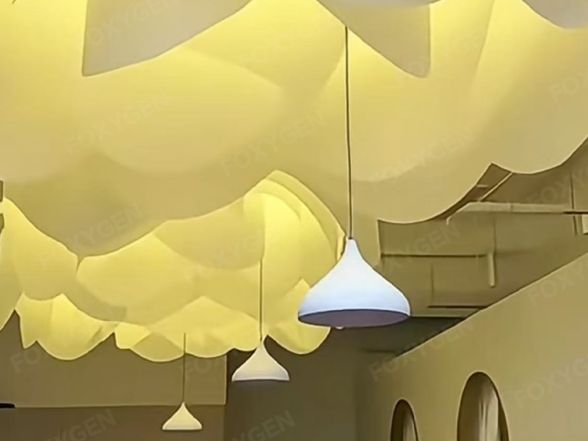
led backlight strip
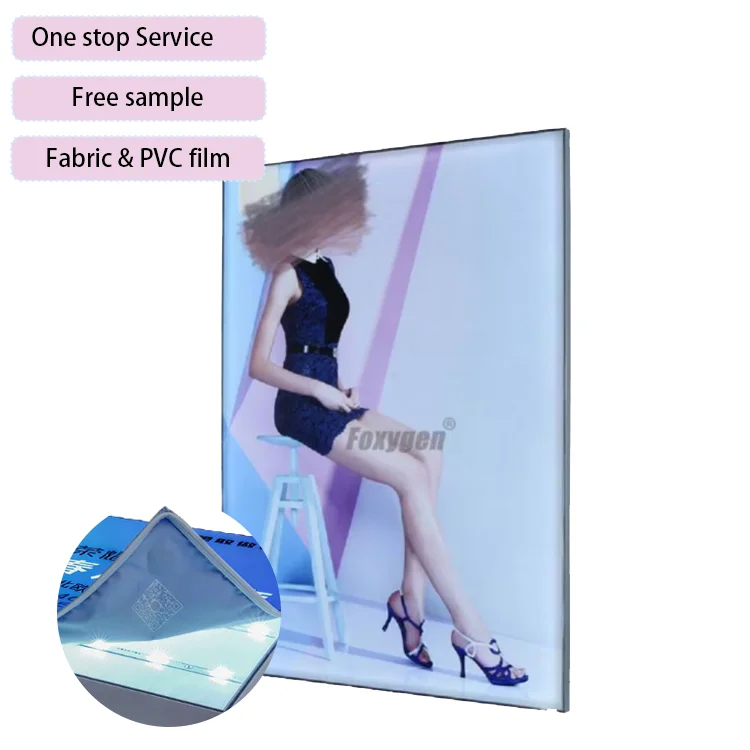
LED backlight strip technology represents a revolutionary advancement in modern display illumination, transforming how we experience visual content across various devices and applications. This innovative lighting solution consists of multiple light-emitting diodes arranged systematically along a flexible or rigid substrate, creating uniform and efficient backlighting for LCD panels, televisions, monitors, and numerous other display technologies. The led backlight strip operates by generating bright, consistent illumination that passes through liquid crystal displays, enabling vibrant colors and sharp image quality that enhances user viewing experiences significantly. The core functionality of led backlight strip systems revolves around their ability to provide precise light distribution while consuming minimal energy compared to traditional fluorescent backlighting methods. These strips utilize advanced semiconductor technology to convert electrical energy directly into light, eliminating the warm-up time required by conventional lighting solutions and delivering instant brightness upon activation. The technological architecture of led backlight strip designs incorporates sophisticated heat management systems, ensuring optimal performance and extended operational lifespan even under continuous usage conditions. Modern led backlight strip configurations feature intelligent dimming capabilities, allowing dynamic brightness adjustment based on ambient lighting conditions or user preferences. This adaptive functionality not only improves visual comfort but also contributes to energy conservation efforts. The manufacturing process involves precision placement of individual LED components onto specially designed circuit boards, creating seamless light distribution patterns that eliminate hotspots and shadowing effects commonly associated with older backlighting technologies. Applications for led backlight strip technology span across residential, commercial, and industrial sectors, including television manufacturing, computer monitor production, automotive dashboard displays, medical equipment interfaces, and architectural lighting installations. The versatility of these systems makes them suitable for both large-scale commercial displays and compact portable devices, demonstrating their adaptability to diverse market requirements and technical specifications.
 ×
×


 EN
EN