stretched fabric ceiling systems
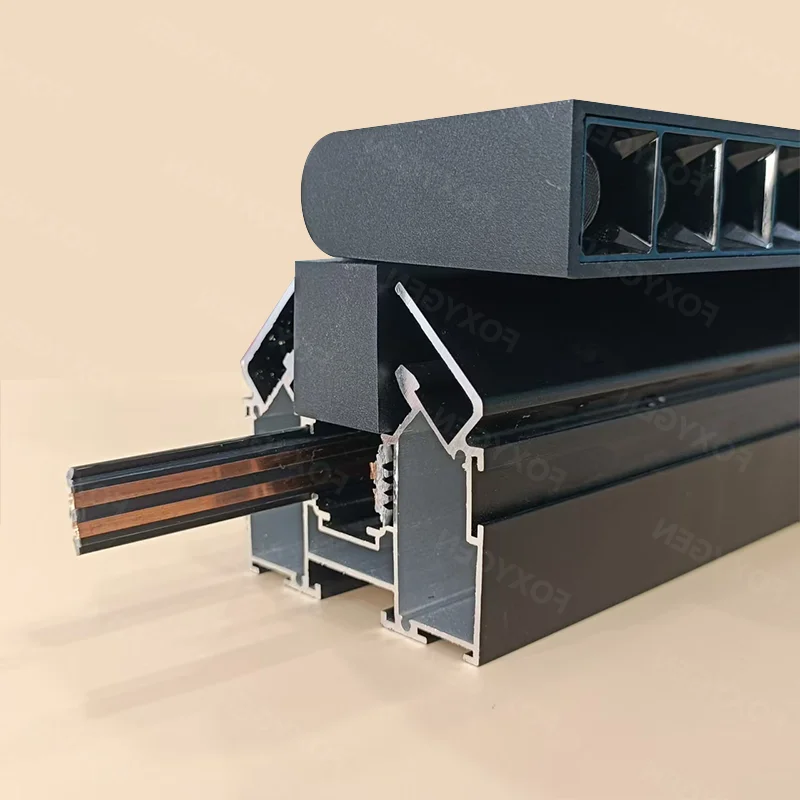
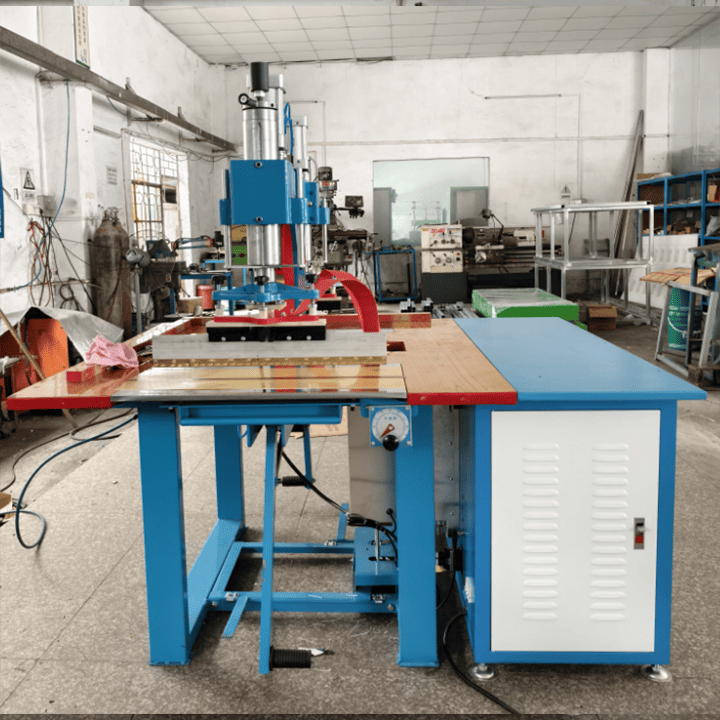
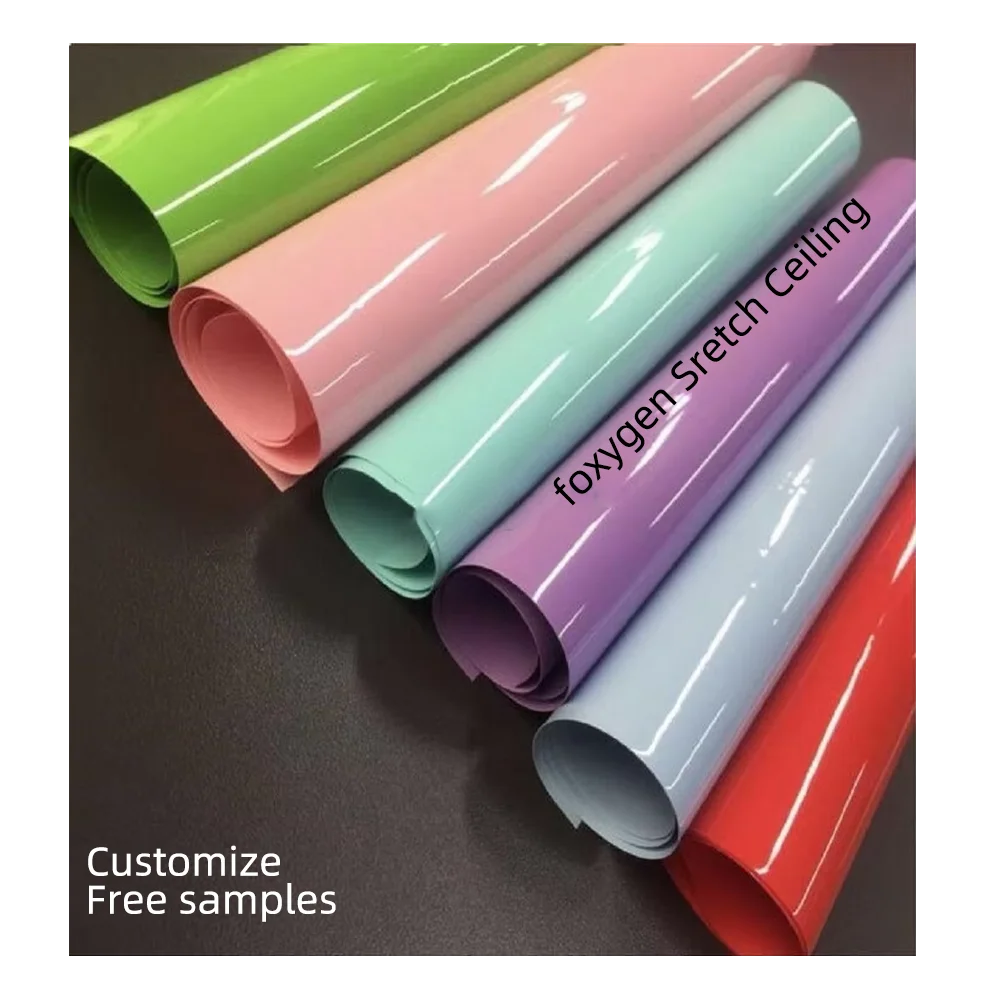
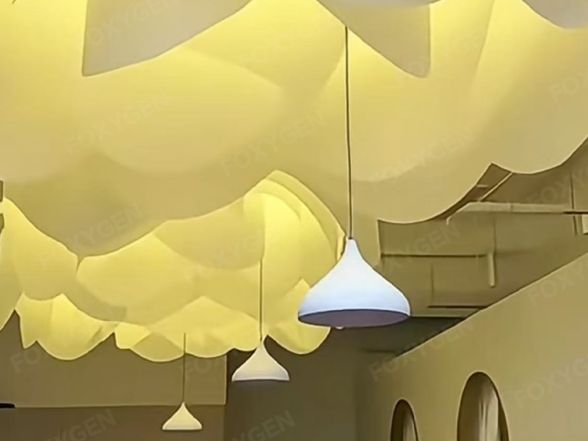
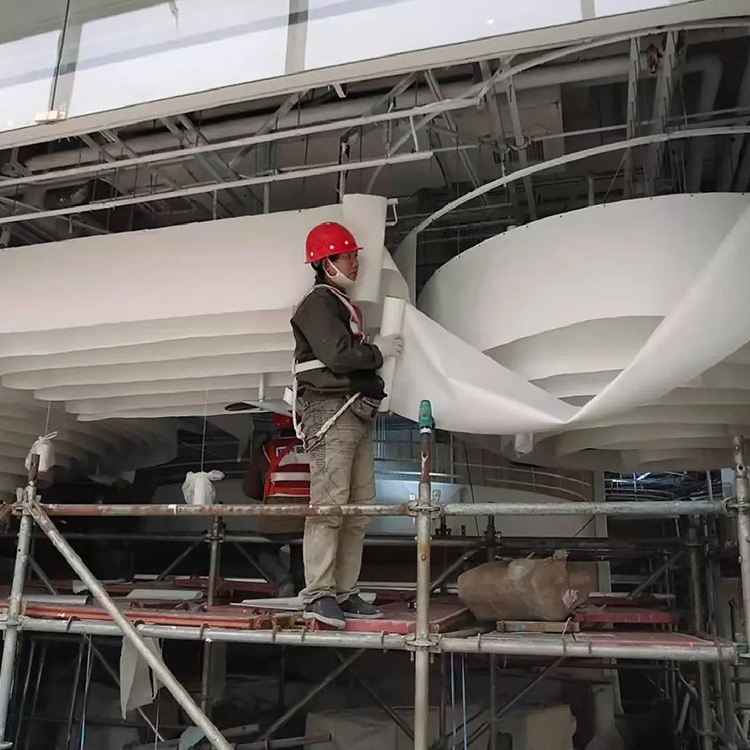
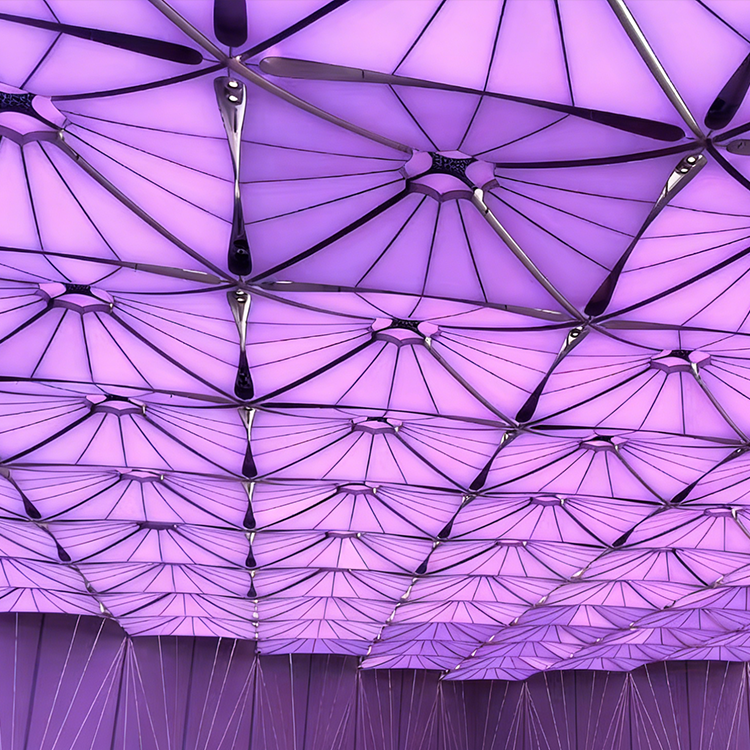
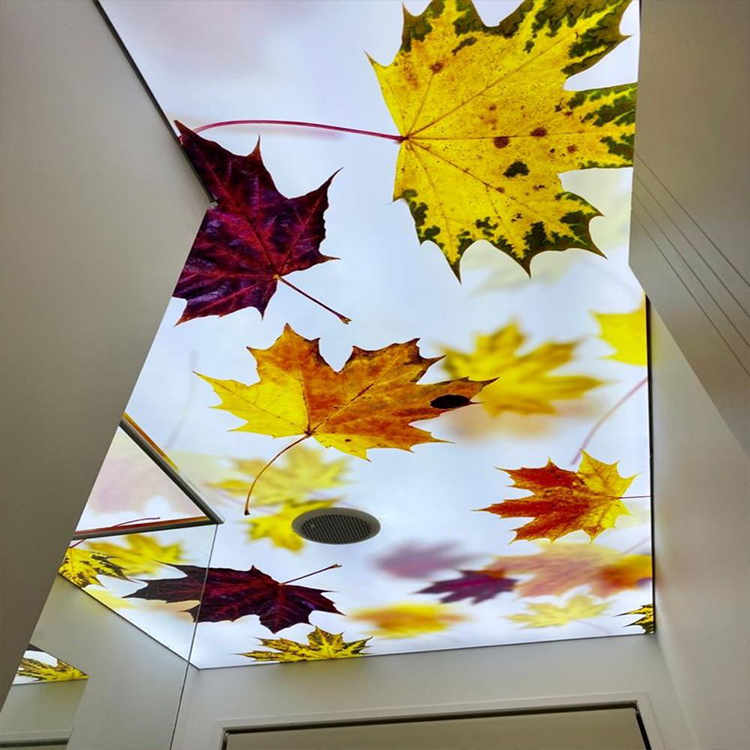
Stretched fabric ceiling systems represent an innovative architectural solution that transforms interior spaces through seamless, tensioned fabric installations suspended below existing ceilings. These sophisticated systems utilize specially engineered PVC or polyester fabrics that are precisely measured, manufactured, and stretched across perimeter tracks to create perfectly smooth, level surfaces. The technology behind stretched fabric ceiling systems relies on controlled heating and tensioning processes that allow the material to expand and contract, ensuring optimal fit and durability. The main functions of stretched fabric ceiling systems include concealing unsightly structural elements, improving acoustic performance, enhancing lighting distribution, and providing moisture protection. These systems effectively hide pipes, ductwork, wiring, and other mechanical components while maintaining easy access for maintenance purposes. The technological features encompass fire-resistant materials, antimicrobial treatments, and recyclable components that meet stringent building codes and environmental standards. Installation involves mounting aluminum or PVC perimeter tracks, heating the fabric to increase flexibility, and carefully stretching the material into position using specialized tools and techniques. The process typically requires professional installation to ensure proper tension and alignment. Applications for stretched fabric ceiling systems span residential, commercial, healthcare, educational, and hospitality environments. In homes, these systems enhance living rooms, bedrooms, kitchens, and bathrooms with custom colors, textures, and printed designs. Commercial applications include offices, retail spaces, restaurants, and showrooms where aesthetic appeal and functionality converge. Healthcare facilities benefit from the hygienic properties and easy cleaning capabilities, while educational institutions appreciate the acoustic improvements and design flexibility. The systems accommodate various lighting options, including LED panels, spotlights, and decorative fixtures, creating ambient or task-specific illumination. Integration with HVAC systems allows for efficient air circulation and climate control without compromising the visual appeal of the ceiling surface.
 ×
×


 EN
EN