
 EN
EN


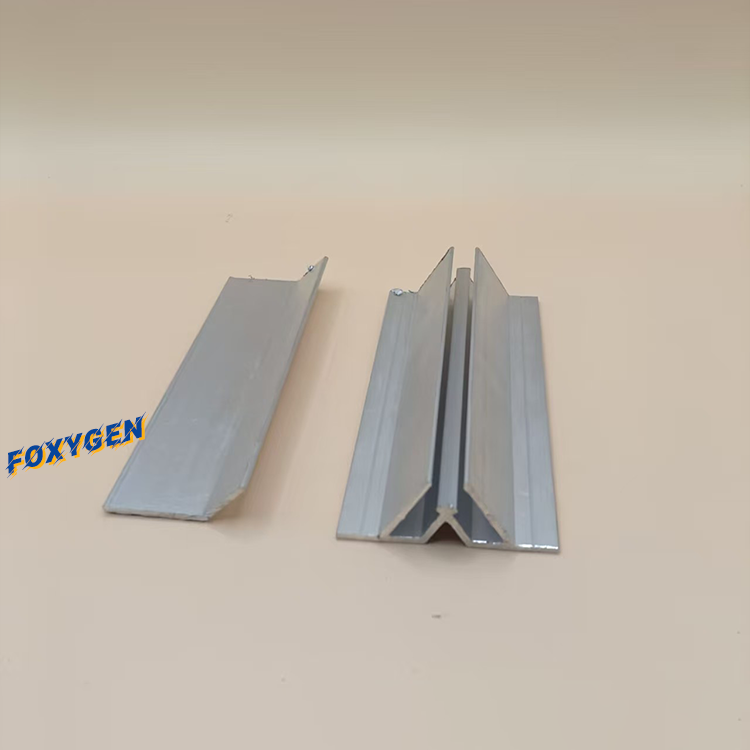
Selecting the right linear aluminum profile for your industrial application requires understanding multiple technical factors that directly impact performance, durability, and cost-effectiveness. A linear aluminum profile serves as the backbone of countless manufacturing systems, automation equipment, and structural frameworks across industries. Whether you're designing a conveyor system, building an assembly workstation, or creating custom machinery, the specification choices you make today will determine how well your system performs for years to come. This 2026 buying guide walks you through the essential considerations that separate a successful project from a costly mistake.
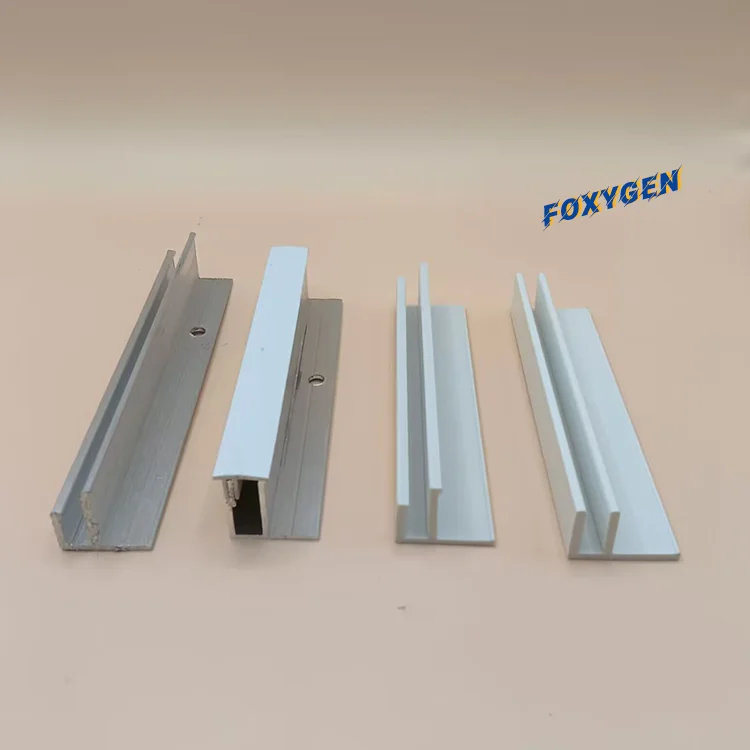
The industrial landscape has evolved significantly, and modern linear aluminum profile solutions now offer unprecedented versatility and precision. Manufacturers and system designers face growing pressure to optimize production speed, reduce material waste, and maintain tight tolerances. Understanding the full spectrum of available linear aluminum profile options—from basic dimensions to advanced surface treatments—empowers you to make informed decisions that align with your operational demands and budget constraints.
Understanding Linear Aluminum Profile Dimensions and Core Specifications
Standard Sizing Categories for Linear Aluminum Profile Applications
A linear aluminum profile comes in standardized size categories designed to match common load-bearing and structural requirements. The most widely used linear aluminum profile sizes range from 20mm to 80mm in profile width, with corresponding depth measurements that determine structural rigidity and load capacity. Smaller linear aluminum profile dimensions, such as 20mm and 30mm series, work well for light-duty applications including modular framing, laboratory equipment, and decorative architectural installations. Mid-range linear aluminum profile sizes, typically 40mm to 50mm, handle moderate mechanical loads and serve industries including packaging, automotive assembly, and material handling systems. Larger linear aluminum profile specifications, reaching 60mm to 80mm and beyond, support heavy industrial machinery, press systems, and infrastructure projects requiring maximum structural integrity.
Each linear aluminum profile size category includes specific wall thickness options that dramatically affect strength-to-weight ratios. A linear aluminum profile with thicker walls provides greater rigidity and load capacity but adds material cost and weight. Conversely, thinner-walled linear aluminum profile variants reduce cost and weight while maintaining adequate performance for lower-load scenarios. Engineers typically select linear aluminum profile dimensions based on calculated load requirements, span length, and operational duty cycles rather than arbitrary specifications.
Cross-Sectional Design and Material Grade Considerations
The internal geometry of a linear aluminum profile directly influences its moment of inertia and bending resistance. Most modern linear aluminum profile designs incorporate hollow rectangular or square cross-sections that maximize material efficiency by concentrating material away from the neutral axis. A premium linear aluminum profile typically uses 6063-T5 or 6061-T6 aluminum alloy grades, which offer superior corrosion resistance and machinability compared to lower-grade specifications. The choice between these grades affects how a linear aluminum profile performs in corrosive environments, humid conditions, or food-processing facilities. Understanding the relationship between linear aluminum profile geometry and material composition helps engineers predict deflection, vibration behavior, and service life in specific operating conditions.
Finishes, Surface Treatments, and Environmental Protection for Linear Aluminum Profile
Anodizing and Protective Coating Systems for Linear Aluminum Profile
Surface finish selection represents one of the most critical decisions when specifying a linear aluminum profile for long-term performance. An anodized linear aluminum profile develops a protective oxide layer that dramatically improves corrosion resistance and extends service life in challenging environments. Standard anodizing produces a clear or translucent finish on the linear aluminum profile surface, while color anodizing adds aesthetic appeal and helps distinguish functional components in complex systems. The thickness of the anodize layer on a linear aluminum profile typically ranges from 5 to 25 microns, with thicker coatings providing superior protection in highly corrosive or salt-spray environments. For applications requiring maximum durability, hard-anodized linear aluminum profile specifications deliver exceptional wear resistance and can withstand abrasive contact without compromising the underlying aluminum structure.
Powder coating represents an alternative finish system for a linear aluminum profile when additional aesthetic control or specific color matching is required. A powder-coated linear aluminum profile can be customized to match brand colors or facility standards while maintaining robust environmental protection. Unlike liquid paint applications, powder coating creates a uniform, durable finish across the entire linear aluminum profile surface without drips, runs, or inconsistent coverage. The polyester or polyurethane formulations used in powder-coating systems provide excellent UV stability, making a powder-coated linear aluminum profile ideal for outdoor installations or facilities with intense artificial lighting.
Specialist Finishes and Industry-Specific Treatment Options
Certain industries demand specialized finish specifications for a linear aluminum profile that go beyond standard anodizing or powder coating. Food-processing facilities often require a passivated linear aluminum profile that meets FDA and food-safety compliance standards while maintaining hygienic surfaces. Medical device manufacturers frequently specify a linear aluminum profile with specific surface roughness measurements to ensure proper function in sterilization and assembly processes. Pharmaceutical and semiconductor manufacturing environments may require a linear aluminum profile treated with specialized anticorrosion compounds or static-dissipative finishes that prevent electrostatic discharge damage to sensitive equipment. Specifying the correct finish for your linear aluminum profile application prevents costly rework, equipment failure, and regulatory compliance issues.
Practical Selection Criteria and Application Matching for Your Linear Aluminum Profile
Load Calculation and Structural Sizing for Linear Aluminum Profile Selection
Determining the appropriate linear aluminum profile for your specific application requires careful analysis of static and dynamic loads expected during operation. A linear aluminum profile that proves undersized will deflect excessively, reduce system accuracy, and fail prematurely under cyclic loading. Conversely, an oversized linear aluminum profile wastes material, increases cost, and adds unnecessary weight to mobile components. Begin by calculating maximum anticipated loads, including dead loads from mounted components, live loads from products or materials, and dynamic loads from acceleration and vibration. Most industrial linear aluminum profile selection involves determining maximum deflection tolerance—typically 1/1000 to 1/500 of the span length depending on equipment precision requirements—then working backward to select appropriate profile dimensions and material specifications.
Environmental factors directly influence which linear aluminum profile specification will deliver reliable performance. Outdoor installations demand a linear aluminum profile with superior anodizing or weather-resistant finishes that withstand temperature fluctuations, UV exposure, and moisture penetration. Chemical manufacturing plants may require a linear aluminum profile with specialized coatings that resist specific solvents or corrosive vapors common to the process. Cleanroom facilities demand a linear aluminum profile that minimizes particle generation and outgassing, requiring careful material selection and surface treatment validation. Integrating these environmental considerations into your linear aluminum profile specification process prevents premature degradation and extends equipment lifecycle significantly.
Cost-Benefit Analysis and Total Cost of Ownership for Linear Aluminum Profile Investment
Purchase price alone provides an incomplete picture of linear aluminum profile value. A lower-cost linear aluminum profile with minimal surface protection may require frequent maintenance, early replacement, or system downtime that far exceeds the initial savings. Premium linear aluminum profile specifications with superior finishes and materials often deliver lower total cost of ownership through extended service intervals, reduced replacement frequency, and improved operational reliability. Evaluating your linear aluminum profile decision requires estimating maintenance requirements, expected service life, replacement costs, and potential production losses during equipment failure scenarios. This comprehensive approach transforms linear aluminum profile selection from a simple procurement transaction into a strategic investment decision that directly affects your bottom line.
FAQ
What is the most common linear aluminum profile size used in manufacturing systems?
The 40mm and 50mm linear aluminum profile sizes represent the most frequently specified dimensions across manufacturing, automation, and material handling applications. These mid-range linear aluminum profile dimensions offer an optimal balance between structural capacity, cost-effectiveness, and system weight. A 40mm linear aluminum profile typically handles moderate loads across typical span lengths without excessive deflection, while the 50mm linear aluminum profile provides additional capacity for heavier-duty operations. Selection between these popular linear aluminum profile options depends on specific load calculations and operational requirements rather than arbitrary industry defaults.
How does finish selection impact the lifespan of a linear aluminum profile?
Finish quality dramatically affects how long a linear aluminum profile maintains structural integrity and appearance. An anodized linear aluminum profile in a standard indoor environment can function reliably for 10-15 years or more, while an unfinished linear aluminum profile in the same setting may show visible corrosion and degradation within 2-3 years. In harsh outdoor or chemical environments, the difference becomes even more pronounced—a properly finished linear aluminum profile delivers 15-20+ years of service while an inadequately protected linear aluminum profile may fail within 3-5 years. Investing in appropriate finish specifications for your linear aluminum profile application essentially determines whether your equipment operates reliably throughout its design life or requires premature replacement.
Can a standard linear aluminum profile be customized with special modifications or coatings?
Most reputable linear aluminum profile manufacturers offer customization services including specialized surface treatments, linear aluminum profile color options, and precision machining of mounting holes and slots. A linear aluminum profile can typically be custom-anodized in specific colors, powder-coated to match facility standards, or treated with specialized finishes meeting industry regulations. However, custom linear aluminum profile modifications usually require minimum order quantities and extended lead times compared to standard specifications. Planning ahead and consolidating customization requirements across multiple projects helps maximize cost-efficiency when ordering specially finished or modified linear aluminum profile inventory.