
 EN
EN


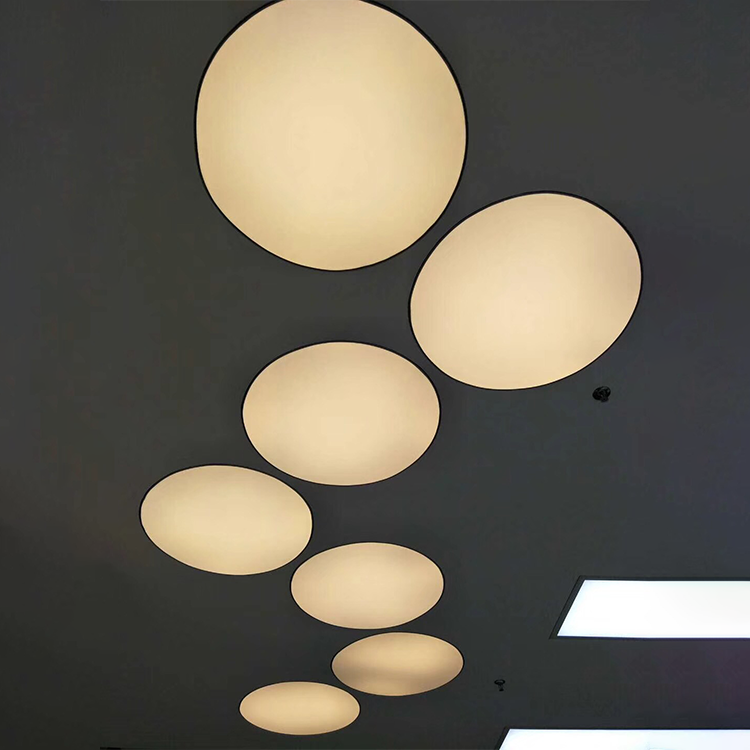
Selecting the right stretch ceiling film is one of the most critical decisions professional contractors face when planning modern interior projects. The market offers diverse options, and understanding the nuances between materials, installation requirements, and long-term performance will directly influence both project success and client satisfaction. This buying guide provides actionable insights to help you evaluate stretch ceiling film options systematically and make informed decisions that align with your project specifications and budget constraints.
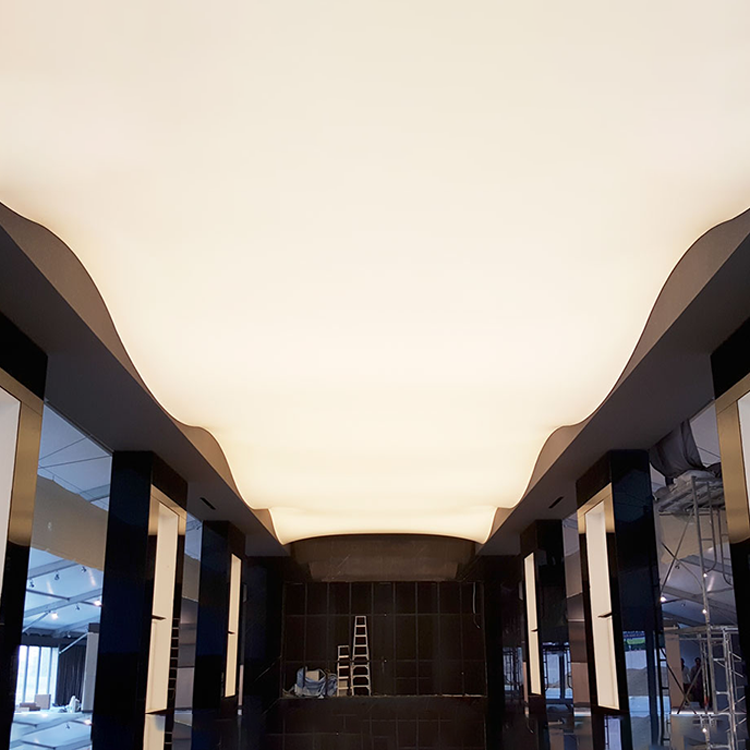
The stretch ceiling film industry has evolved significantly, with advancements in material composition, durability ratings, and installation techniques creating both opportunities and complexity for contractors. Understanding the fundamentals of stretch ceiling film performance, quality indicators, and application scenarios enables you to recommend solutions that enhance project outcomes. Whether you are managing residential renovations, commercial office buildouts, or specialized industrial environments, this guide equips you with the knowledge to evaluate stretch ceiling film systems comprehensively.
Understanding Stretch Ceiling Film Material Composition
Core Material Properties and Performance Standards
Stretch ceiling film typically consists of polyvinyl chloride (PVC) or polyester-based polymers engineered to provide flexibility, durability, and aesthetic appeal. The material composition directly determines how stretch ceiling film responds to temperature fluctuations, moisture exposure, and structural stress over time. Premium-grade stretch ceiling film formulations include UV stabilizers, anti-microbial agents, and flame-retardant additives that enhance longevity and safety compliance. Understanding these material characteristics helps you identify which stretch ceiling film products meet specific project requirements and building code compliance standards.
Thickness, Texture, and Finish Options
Stretch ceiling film thickness typically ranges from 0.17mm to 0.25mm, with thicker variants offering enhanced durability and acoustic properties. Texture and finish selections significantly impact both visual appearance and functional performance of your stretch ceiling film installation. High-gloss finishes reflect light and create spacious visual impressions, while matte finishes reduce glare and provide sophisticated aesthetics. Perforated stretch ceiling film options allow air circulation and integration with HVAC systems. When selecting stretch ceiling film for your project, consider how material thickness and finish will support both aesthetic goals and practical operational requirements.
Critical Quality Factors When Evaluating Stretch Ceiling Film
Certification, Durability, and Compliance Standards
Professional-grade stretch ceiling film must meet established certifications including fire safety ratings, VOC emissions standards, and international quality certifications. Stretch ceiling film products certified for low VOC emissions ensure healthier indoor environments and align with green building standards. Durability testing for stretch ceiling film should confirm performance across temperature ranges from 5°C to 60°C, humidity variations, and resistance to physical impact. Verify that your stretch ceiling film options comply with local building codes, accessibility standards, and specific environmental requirements applicable to your project location and industry sector.
Color Stability and Long-Term Appearance
Stretch ceiling film color retention depends on UV stabilizer quality and manufacturing precision. Quality stretch ceiling film maintains consistent coloring without yellowing, fading, or discoloration for 15 to 25 years under normal conditions. Pigment formulations in premium stretch ceiling film resist light exposure more effectively than budget alternatives. When comparing stretch ceiling film options, request samples and exposure testing data that demonstrate actual color stability performance. Understanding long-term appearance characteristics ensures your stretch ceiling film selection aligns with client expectations and project longevity goals.
Installation Complexity and System Requirements
Framing Systems and Technical Specifications
Installing stretch ceiling film requires precision-engineered framing systems that properly tension and secure the material without damage or stress concentration. Stretch ceiling film installation systems include aluminum or plastic track profiles, tensioning mechanisms, and specialized tools designed for professional application. The choice between wall-mounted and suspended framing affects installation timeline, labor requirements, and final aesthetic impact. Stretch ceiling film systems must accommodate thermal expansion without creating visible wrinkles or stress marks. Evaluating the complete installation system—not just the film material—determines whether your stretch ceiling film project can be executed efficiently while meeting quality standards.
Installation Challenges and Labor Considerations
Professional installation of stretch ceiling film requires specialized training, experience, and equipment investment. Stretch ceiling film installation becomes more complex when navigating existing architectural features, utility penetrations, or irregular ceiling geometries. Labor costs for stretch ceiling film projects typically represent 40 to 60 percent of total project expense, making installer expertise a crucial value factor. Thermal welding techniques for stretch ceiling film seaming require precision and quality control. When selecting a stretch ceiling film supplier or installation system, confirm that training, technical support, and quality assurance mechanisms are included to minimize installation risks and project delays.
FAQ
What are the primary advantages of choosing stretch ceiling film over traditional ceiling materials?
Stretch ceiling film offers superior aesthetic flexibility, seamless installation over damaged or irregular substrates, acoustic performance options, and longer lifespan compared to traditional drop ceiling tiles or painted drywall. Stretch ceiling film conceals building systems elegantly while providing design customization through color, texture, and lighting integration. Installation of stretch ceiling film typically requires less time and creates minimal dust or debris compared to traditional ceiling renovation methods.
How long does stretch ceiling film typically last, and what maintenance is required?
Quality stretch ceiling film installations typically maintain appearance and performance for 20 to 30 years under normal indoor conditions. Maintenance for stretch ceiling film is minimal and primarily involves periodic gentle cleaning with soft, damp cloths to remove dust and prevent discoloration. Stretch ceiling film does not require repainting, refinishing, or structural repairs throughout its operational lifespan, making it cost-effective for long-term facility management.
Can stretch ceiling film be installed in moisture-prone environments like kitchens or bathrooms?
Specialized stretch ceiling film formulations designed for high-humidity environments resist moisture absorption and mold growth through anti-microbial treatments and moisture-resistant material composition. Stretch ceiling film for kitchens and bathrooms requires proper ventilation system integration and regular moisture management to prevent condensation issues. Installation of stretch ceiling film in these environments demands careful attention to exhaust placement, substrate preparation, and quality of framing system sealing to ensure long-term performance.