
 EN
EN



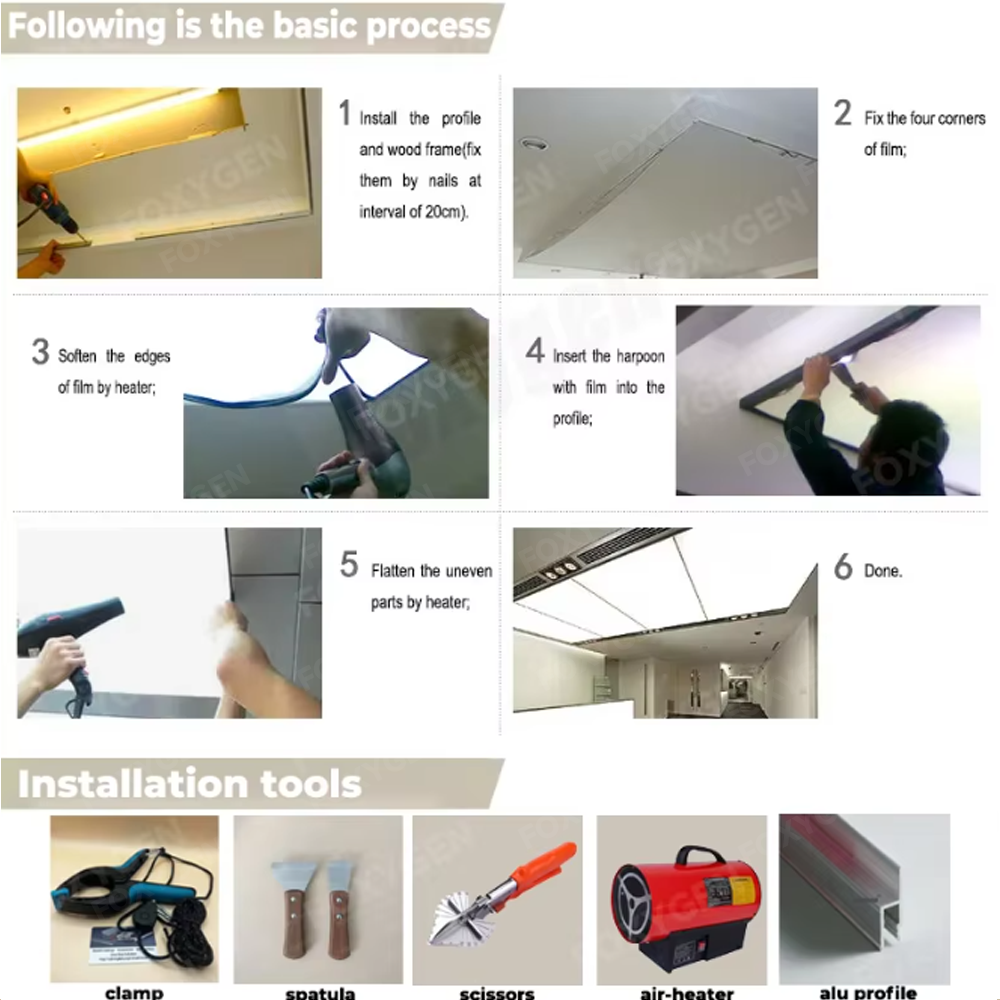
Every professional installer knows that the quality of the finished ceiling is only as good as the tools used to achieve it. Whether you are tackling a residential living room or a large commercial project, having the right stretch ceiling tools on hand makes the difference between a flawless result and a costly rework. Building your kit from the ground up requires careful thought about each phase of the installation process, from initial measurements to the final trim seal.
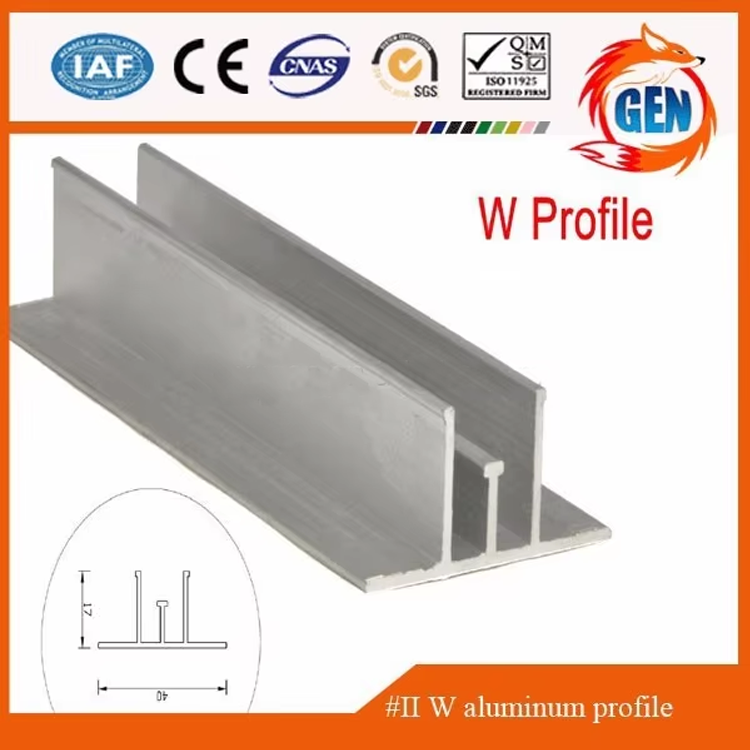
This guide walks through everything a serious installer needs to know when assembling a professional-grade stretch ceiling tools kit. From the core equipment that handles the heavy lifting to the precision finishing instruments that guarantee a polished appearance, each item in your toolkit serves a specific purpose. Understanding those purposes — and investing in the right quality — is what separates competent installers from truly elite ones.
Understanding the Core Categories of Stretch Ceiling Tools
Measurement and Layout Tools
Before a single piece of film is unrolled, accurate measurement defines how smoothly the entire job will go. Your stretch ceiling tools kit must include a reliable laser distance measurer capable of reading room dimensions to within one millimeter. This precision matters because stretch ceiling films are manufactured to custom dimensions, and errors at the measurement stage cascade into fitting problems that are expensive and time-consuming to correct.
A high-quality spirit level and chalk snap line should accompany your measurer to mark the exact installation height across all walls. In rooms with irregular ceilings or uneven walls, a self-leveling rotary laser level becomes indispensable. This type of stretch ceiling tools equipment projects a continuous horizontal line around the entire room perimeter, giving installers a consistent reference point regardless of the room's architectural quirks.
Digital angle finders are also worth adding to your layout toolkit. Corners in real-world buildings are rarely a perfect 90 degrees, and knowing the exact angle before cutting or positioning track sections allows you to pre-plan adjustments rather than improvise on-site.
Track Cutting and Preparation Tools
Stretch ceiling tracks form the structural backbone of any installation, and cutting them cleanly is one of the most critical tasks in the workflow. A motorized miter saw with a fine-tooth aluminum blade is the preferred stretch ceiling tools choice for achieving clean, burr-free cuts on both PVC and aluminum harpoon track profiles. Rough cuts create sharp edges that can damage the membrane during fitting, so investing in the right saw is non-negotiable.
A dedicated track bending tool allows installers to shape profiles around curved walls, arches, and bay windows without cracking or distorting the material. Curved rooms are increasingly popular in high-end residential and hospitality projects, and having this item in your stretch ceiling tools collection opens up a wider range of project types your business can confidently take on.
Deburring tools and fine-grit sanding blocks should also be part of your preparation arsenal. After any cut, running a deburring blade along the edge removes any micro-burrs that could puncture or snag the stretch film during the tensioning phase.
Heat Equipment and Film Handling Tools
Professional Heat Guns and Temperature Control
Heat management is central to stretch ceiling installation, and it represents one of the most technically demanding aspects of the craft. PVC stretch ceiling membranes must be warmed to a specific temperature range before they become pliable enough to be stretched into place without tearing or developing stress marks. A professional-grade heat gun with variable temperature settings and consistent airflow is therefore one of the most important stretch ceiling tools you will ever purchase.
Infrared thermometers allow you to monitor the surface temperature of the film in real time without touching it, preventing overheating that can cause discoloration or permanent deformation. For large-scale commercial installations, a room heater or industrial space heater is often deployed to pre-warm the entire space, reducing the workload on the hand-held heat gun and speeding up the overall fitting process.
Heat blankets or heat mats are another specialist addition to consider for your stretch ceiling tools inventory. These are particularly useful when working in cooler climates or during winter installations, where maintaining consistent film temperature across a large span becomes challenging with a heat gun alone.
Spatulas, Tucking Blades, and Fitting Paddles
Once the film has reached working temperature, it must be inserted into the track profile quickly and evenly using the correct stretch ceiling tools. The primary instrument for this task is the tucking spatula, a flat-bladed tool specifically designed to press the harpoon or bead of the membrane firmly into the track channel without scratching the film surface or leaving tool marks on the visible face.
Tucking spatulas come in several profiles. Straight blades are used for long flat runs of track, while curved and angled spatulas are designed for corners, reveals, and tight spots near light fixtures or ventilation grilles. A complete set of stretch ceiling tools should include at least three to four spatula profiles to handle the full variety of situations encountered on real projects.
Fitting paddles — wider, smoother-faced tools — are used to spread tension evenly across the film surface as it is being inserted. Working outward from the center of each wall prevents the membrane from developing wrinkles or tension lines that would be visible in the finished surface, especially under raking light conditions.
Fixing, Fastening, and Wall Preparation Tools
Track Mounting and Fastening Equipment
Mounting stretch ceiling track securely and at precisely the right height requires a reliable combination of tools. A rotary hammer drill with masonry bits is essential for fixing into concrete or block walls, which are common in commercial and multi-residential buildings. For timber stud walls, a standard cordless drill-driver with appropriate bits handles the task efficiently, but torque settings should be carefully managed to avoid over-driving fixings into softer substrates.
Your stretch ceiling tools kit should include a selection of wall anchors, screws, and channel nuts appropriate for different wall materials. Stainless steel fixings are preferred in environments with higher humidity levels, such as bathrooms, pools, and spa facilities, because they resist the corrosion that would compromise track stability over time.
A magnetic stud finder and voltage detector are valuable safety and accuracy tools to add to your collection. Knowing exactly where structural members and electrical wiring run behind wall surfaces prevents dangerous incidents and ensures that fixings are placed where they provide maximum holding strength.
Surface Protection and Masking Tools
Professional installation requires protecting surrounding surfaces just as much as it requires fitting the ceiling correctly. Painter's tape and low-tack masking film protect wall finishes, cornices, and skirting boards from adhesive residue and heat damage during the installation process. These may seem like minor additions to your stretch ceiling tools inventory, but their absence on a job site quickly leads to client complaints and touch-up costs.
Drop cloths and protective corner guards prevent accidental scuffing of walls and furniture. For premium residential projects in particular, clients expect their living spaces to be left in immaculate condition, and having the right protective materials as part of your standard toolkit reflects the level of care that defines a professional operation.
Specialty and Finishing Tools
Perforator Tools for Light and Feature Cutouts
Most stretch ceiling installations require cutouts for recessed lighting, smoke detectors, sprinkler heads, and HVAC diffusers. Making these openings cleanly and safely without compromising the surrounding membrane requires purpose-built stretch ceiling tools. A heated circular perforator — a tool that uses controlled heat to cut and simultaneously seal the edge of the PVC film — is the standard industry instrument for this task.
The sealed edge is critical because PVC membrane is susceptible to tearing if cut edges are left unsealed. A clean heated cut prevents the cut from propagating under the mechanical stress that the membrane experiences during temperature fluctuations throughout its service life. Ring fixings or rosette plates are then adhered over the cut edge to provide a neat, professional finish around each opening.
For aluminum or polyester film ceilings, which are increasingly used in commercial and retail environments, a different approach using adhesive-backed cutout rings and precision cutting guides is required. Your stretch ceiling tools kit should include options for both film types to ensure you are ready for any specification a client presents.
Inspection, Correction, and Touch-Up Tools
Even experienced installers occasionally encounter small wrinkles, tension imbalances, or edge imperfections that need correcting after the initial fit. A detail heat gun with a narrow nozzle allows targeted reheating of specific areas to relax and reposition the film without disturbing the surrounding surface. This is one of the most frequently used stretch ceiling tools during the final quality inspection phase.
A bright handheld LED inspection light is equally important. Held at a low raking angle against the ceiling surface, it reveals any imperfections that are invisible under normal ambient lighting conditions. Catching and correcting these issues before the client views the finished ceiling is the mark of a truly professional installer.
Touch-up adhesive and compatible cleaning solutions complete the finishing toolkit. Fingerprints, dust, and minor surface marks acquired during installation can be removed cleanly when the right products and lint-free applicators are on hand as part of your standard stretch ceiling tools setup.
Organizing and Maintaining Your Stretch Ceiling Tools Kit
Storage, Transport, and Tool Care
A professional stretch ceiling tools kit is a significant investment, and protecting that investment requires thoughtful storage and transportation solutions. Heavy-duty tool cases with foam inserts keep precision instruments from shifting and sustaining damage during transit between job sites. Heat guns and electrical tools should be stored in cases that prevent their cords from kinking, which degrades performance and shortens service life.
Spatulas and tucking blades should be kept clean and free of adhesive residue after every job. Residue that hardens on blade surfaces transfers onto the film during subsequent installations, leaving marks that are difficult to remove without risking damage to the membrane. A simple cleaning routine at the end of each workday keeps your stretch ceiling tools in optimal condition and extends their working lifespan considerably.
Regularly inspect heat guns for signs of element degradation, which can cause uneven airflow and temperature inconsistencies. Replace worn blades and damaged spatulas promptly, as substandard tools introduce errors even when the installer's technique is correct. Maintaining a spare set of the most frequently used consumable items ensures that no job is delayed by an unexpected equipment failure.
Building Your Kit Incrementally
Not every installer needs every specialized tool from day one. A logical approach is to build your stretch ceiling tools collection around the core essentials first — heat gun, tucking spatulas, laser measurer, miter saw, and drill — then expand into specialty items as your project range grows. This staged approach manages capital expenditure sensibly while still ensuring that foundational quality is in place from the start.
As you take on more complex projects involving curves, feature walls, printed films, or integrated lighting systems, add the corresponding stretch ceiling tools to your kit deliberately and purposefully. Each new tool should solve a real problem you have encountered or open a new project type you want to pursue, rather than being acquired speculatively. This keeps your kit lean, well-maintained, and purpose-driven.
Investing in quality over quantity also applies strongly to stretch ceiling tools. A single high-quality heat gun with accurate temperature control will outperform three budget alternatives in both reliability and output quality. The total cost of ownership — including maintenance, replacement frequency, and the rework costs that poor tools generate — always favors quality investment at the outset.
FAQ
What are the most essential stretch ceiling tools for a beginner installer?
The core essentials for any beginner include a professional heat gun with variable temperature control, a set of tucking spatulas in multiple profiles, a laser distance measurer, a miter saw for cutting track, and a cordless drill for mounting. These stretch ceiling tools cover the fundamental stages of every standard installation and form the foundation of a complete professional kit.
How do I know when my stretch ceiling tools need to be replaced?
Signs that stretch ceiling tools need replacing include uneven heat output from heat guns, visible nicks or deformation on spatula blades, inconsistent cutting performance from saw blades, and measurement instruments showing calibration drift. Any tool that introduces unpredictability or leaves marks on the film surface should be replaced immediately, as the cost of damaged materials far exceeds the cost of new tools.
Can the same stretch ceiling tools be used for both PVC and polyester film ceilings?
Many stretch ceiling tools are compatible with both film types, but there are important differences in technique and temperature requirements. Polyester films generally require lower heat settings and different edge-sealing approaches compared to PVC. Some perforator tools and tucking spatulas are specifically designed for one film type, so checking compatibility before use prevents film damage and ensures professional results across both material categories.
How should stretch ceiling tools be organized on a job site for maximum efficiency?
Organizing stretch ceiling tools by installation phase — layout and measurement, track fixing, film fitting, and finishing — keeps workflows logical and prevents time lost searching for equipment. Using labeled tool rolls or cases for each phase means that the right instrument is always immediately accessible. Keeping frequently used items like spatulas and heat guns at arm's reach during fitting, while storing less-used tools safely away from foot traffic, reduces on-site accidents and improves overall installation speed.
Table of Contents
- Understanding the Core Categories of Stretch Ceiling Tools
- Heat Equipment and Film Handling Tools
- Fixing, Fastening, and Wall Preparation Tools
- Specialty and Finishing Tools
- Organizing and Maintaining Your Stretch Ceiling Tools Kit
-
FAQ
- What are the most essential stretch ceiling tools for a beginner installer?
- How do I know when my stretch ceiling tools need to be replaced?
- Can the same stretch ceiling tools be used for both PVC and polyester film ceilings?
- How should stretch ceiling tools be organized on a job site for maximum efficiency?