
 EN
EN




When installing a stretch ceiling, the tools you use are just as important as the material itself. Among all the instruments involved in the process, the stretch ceiling spatula plays a central role in determining the quality and precision of the final result. Choosing the wrong spatula can lead to uneven tension, visible creases, surface damage, and wasted material — all of which translate to rework costs and client dissatisfaction. Understanding how to select the right stretch ceiling spatula is therefore a foundational skill for any installer or procurement professional in this industry.
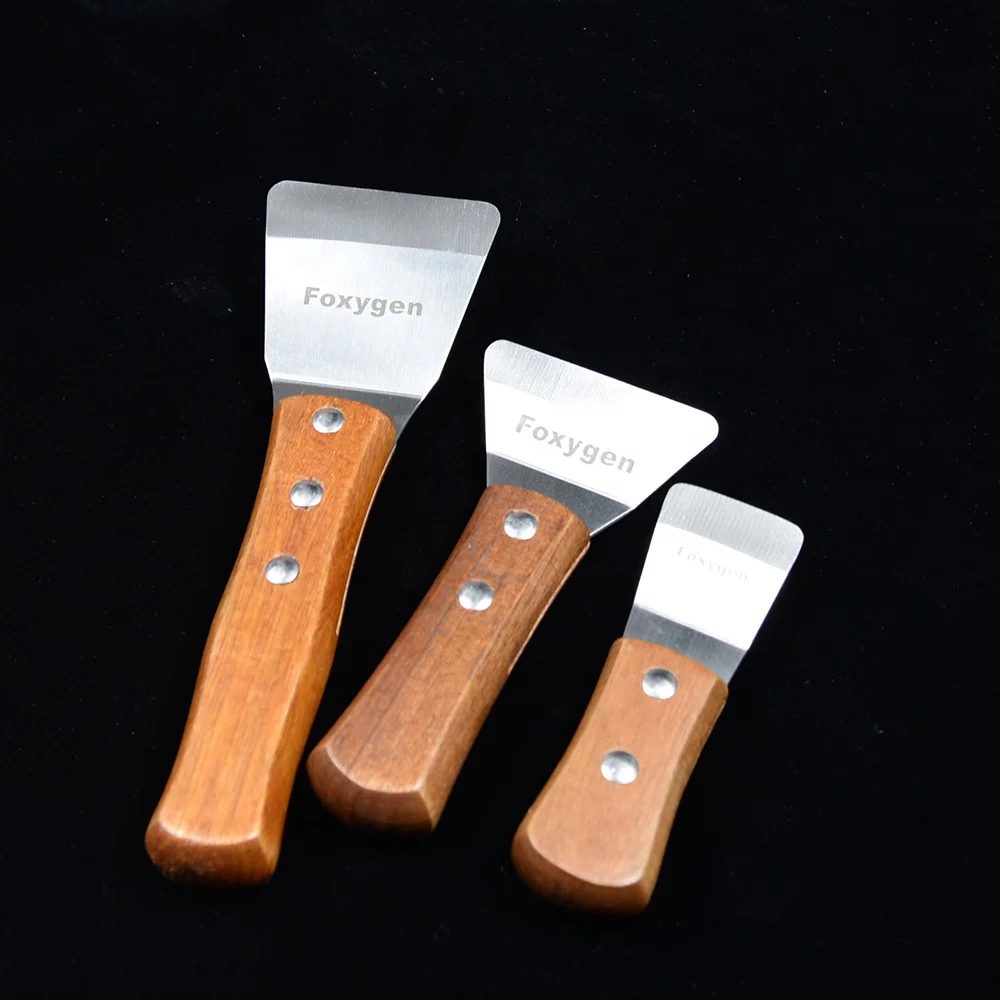
The market offers a wide variety of stretch ceiling spatulas in different sizes, shapes, blade materials, and handle designs. This variety, while offering flexibility, can also create confusion for buyers who are not sure what distinguishes one tool from another in practical use. This guide breaks down the key selection criteria so that you can match the right stretch ceiling spatula to the specific requirements of your project, your ceiling dimensions, and your installation method.
Understanding the Role of a Stretch Ceiling Spatula in Installation
What the Spatula Actually Does During Installation
A stretch ceiling spatula is used to tuck and press the PVC or fabric membrane into the locking profile that lines the perimeter of a room. This action requires the blade to apply precise lateral pressure without piercing, scratching, or distorting the film. The spatula effectively acts as the final contact point between the installer's hand motion and the delicate ceiling material.
The quality of this contact determines whether the film seats evenly inside the harpoon or hingeless baguette profile. A stretch ceiling spatula with the wrong blade thickness or stiffness will either fail to engage the locking channel properly or will press too hard, causing visible marks on the surface. Getting this right is not merely a matter of preference — it directly affects the visual outcome of the installation.
Experienced installers know that a well-chosen stretch ceiling spatula reduces physical effort, speeds up the process, and allows more consistent results across the full ceiling perimeter. It is not a secondary tool. It is the primary instrument of the finishing phase, and its selection deserves careful thought.
Why Not All Spatulas Are Interchangeable
It is a common misconception among newer installers that any flat, rigid blade tool can substitute for a proper stretch ceiling spatula. In practice, tools that are not specifically designed for stretch ceiling work lack the correct blade geometry, edge profile, and handle ergonomics needed to perform the tucking action correctly. Using improvised tools often results in surface damage, poor seating in the profile, or fatigue during large installations.
A purpose-built stretch ceiling spatula is engineered with a blade edge that is smooth enough not to scratch the film, rigid enough to transmit force into the profile, and shaped so that the angle of approach remains consistent as the installer moves along the wall. These are not incidental features — they are the result of design choices tailored specifically to how stretch ceiling films behave under tension and temperature.
Size Selection: Matching the Spatula to Your Project Scale
Large Spatulas for Wide Open Spans
A large stretch ceiling spatula is best suited for straight, uninterrupted perimeter runs in rooms with standard rectangular shapes. The wider blade covers more profile length per stroke, which means faster installation over long distances. This is particularly valuable in commercial installations such as conference rooms, retail spaces, or open-plan offices where long, continuous runs dominate the layout.
The increased blade width of a large stretch ceiling spatula also helps maintain consistent seating depth across the profile, reducing the chance of uneven tension developing in the membrane. However, a larger blade requires more controlled hand pressure and is less forgiving when navigating corners or obstacles. Installers should therefore reserve the large spatula for the open runs and switch to smaller tools when approaching junction points.
When purchasing a large stretch ceiling spatula, check that the handle is ergonomically balanced relative to the blade size. A tool that is too heavy at the blade end causes wrist strain over extended work sessions, reducing both accuracy and efficiency.
Medium Spatulas as the Versatile Workhorse
The medium stretch ceiling spatula is the most commonly used size across professional installation teams. It offers a practical balance between coverage and maneuverability, making it effective for both straight runs and moderately complex ceiling layouts. Most experienced installers rely on a medium spatula as their primary tool throughout the installation process.
The medium stretch ceiling spatula performs well when moving between different wall orientations, handling transitions near doorframes, and working on ceilings in residential rooms of typical dimensions. Because of this versatility, it is often the first spatula that new installers learn to use, and it remains the default choice for professionals handling varied project types.
If you are equipping a team or building a starter toolkit, prioritizing the medium stretch ceiling spatula ensures that your crew can handle the widest range of installation scenarios without constantly switching tools.
Small Spatulas for Detail Work and Tight Areas
A small stretch ceiling spatula becomes essential when working around recessed lighting fixtures, air vents, narrow alcoves, or any area where a larger blade physically cannot reach the profile without risk of damaging adjacent surfaces. The reduced blade width gives the installer precise control in confined spaces.
Detail areas are where the final quality impression of an installation is formed. A stretch ceiling film that is cleanly seated around every fixture and in every corner creates a finish that looks factory-perfect. Skipping the small spatula and trying to use a medium blade in tight spots almost always results in compromised seating and visible irregularities near the most closely examined parts of the ceiling.
Small stretch ceiling spatulas are also useful during the correction phase, when an installer needs to re-seat a short section of the profile without affecting the surrounding membrane. The targeted reach of a small spatula allows these adjustments to be made cleanly and without disturbing areas that are already correctly tensioned.
Blade Material and Stiffness: Key Technical Factors
Plastic Blades for Standard PVC Films
Most stretch ceiling spatulas designed for standard PVC film installations use plastic blades, typically made from high-density polyethylene or similar smooth-surfaced polymers. These materials are chosen because they glide against the film surface without friction damage, and their slight natural flexibility provides just enough give to follow the profile channel smoothly.
When selecting a stretch ceiling spatula with a plastic blade, look for blades that are molded with consistent thickness from end to end. Uneven blade thickness creates unpredictable pressure distribution, which leads to inconsistent profile engagement. The blade should also have a cleanly finished edge — rough or uneven edges from poor manufacturing will scratch the PVC surface over time.
Plastic blade stretch ceiling spatulas are the standard choice for most residential and light commercial projects. They are cost-effective, widely available, and sufficient for the majority of PVC film installations performed under normal temperature conditions.
Harder Blades for Fabric and Specialized Films
Certain stretch ceiling materials, including woven fabric films and thicker acoustic membranes, require a stretch ceiling spatula with a stiffer blade. These films resist deformation more than standard PVC, and a blade that is too flexible will not generate enough insertion force to seat them properly in the baguette.
Some professional installers also prefer a stiffer stretch ceiling spatula when working with systems that use tighter locking profiles, where the clearance between the film edge and the profile wall is minimal. In these cases, blade rigidity directly translates into reliable and repeatable engagement with every stroke.
Before selecting a harder-blade spatula, verify that it is still smooth enough not to mark the film surface. Hardness and surface smoothness are independent properties, and both matter when choosing the right stretch ceiling spatula for specialized materials.
Handle Design and Ergonomics
Handle Shape and Grip Comfort
The handle of a stretch ceiling spatula has a direct impact on installer fatigue, precision, and speed. A handle that is poorly shaped or too narrow concentrates grip pressure on a small area of the hand, causing discomfort during prolonged use. For large commercial installations that take several hours, an ergonomically designed handle is not optional — it is a practical requirement.
Look for a stretch ceiling spatula handle that has a slightly contoured profile, a surface texture that prevents slipping when hands are warm or slightly damp, and a length that allows both a full-grip and a fingertip-control hold depending on the task. These features give the installer confidence and control whether working overhead, along vertical walls, or in awkward corner positions.
Handle material also matters. Handles made from solid thermoplastic or reinforced composite materials tend to offer better long-term durability than hollow-core designs, which can flex or crack under repeated mechanical stress.
The Angle Between Handle and Blade
The angle at which the blade connects to the handle affects the natural wrist position of the installer during use. A stretch ceiling spatula with a blade that sits at a slight offset from the handle axis allows the installer to press into the profile while keeping the wrist in a neutral, comfortable position. This reduces strain and also improves the angle of attack against the baguette.
Tools where the blade is perfectly in-line with the handle require the installer to tilt their wrist at an uncomfortable angle to achieve proper profile engagement. Over the course of a full installation, this small geometric difference produces measurable differences in installer comfort and output quality. When evaluating a stretch ceiling spatula, physically test how the angle feels during a tucking motion before committing to a large purchase quantity.
Building a Complete Spatula Set for Professional Use
Why a Single Size Is Never Enough
Professional stretch ceiling installers and installation companies consistently report that having all three sizes of stretch ceiling spatula available on site eliminates the improvisation that leads to quality problems. Each size serves a specific purpose that the others cannot fully replace, and switching between them at the appropriate moment is a sign of skilled, methodical work.
Investing in a complete set of stretch ceiling spatulas — large, medium, and small — is also more cost-effective in the long run than replacing damaged films or reworking sections that were installed with the wrong tool. The cost of a full spatula set is negligible compared to the material and labor cost of a re-installation.
When outfitting a new team, standardize on a single set configuration so that all installers are using the same tools. This consistency makes training easier, ensures quality standards are uniform across projects, and simplifies procurement and restocking.
When to Replace Your Stretch Ceiling Spatula
A stretch ceiling spatula should be replaced when the blade shows visible wear, surface roughness, nicks, or deformation at the edge. A worn blade will scratch films, fail to seat cleanly in the profile, and require more force to achieve the same result as a new tool. Continuing to use a damaged stretch ceiling spatula is a false economy that costs more in material damage than the replacement tool ever would.
Handle wear is also a replacement signal. Handles that have cracked, become slippery, or show structural deformation should be replaced even if the blade still appears functional, as a compromised handle reduces control and increases the risk of installer error during critical finishing steps.
FAQ
What size stretch ceiling spatula is best for a beginner installer?
The medium stretch ceiling spatula is the best starting point for beginners. It offers enough versatility to handle most installation scenarios in standard residential rooms, and it teaches proper hand technique without the extremes of blade size. Once comfortable with the medium tool, beginners can then develop proficiency with the large and small spatulas for specialized tasks.
Can I use one stretch ceiling spatula for both PVC film and fabric ceilings?
Not always. A plastic blade stretch ceiling spatula designed for standard PVC film may not have sufficient stiffness to seat a woven fabric ceiling film properly. For fabric or thicker specialty films, a spatula with a stiffer blade is recommended. It is best practice to have both blade types in your toolkit and select based on the material being installed.
How do I know if my stretch ceiling spatula is damaging the film?
Look for fine linear scratches or haze marks on the film surface in areas where the spatula blade has passed. These marks are a clear sign that the blade edge is worn, rough, or incorrectly angled. Replace the stretch ceiling spatula immediately and inspect the profile seating in the affected area to ensure the film is correctly engaged before completing the installation.
Is it worth buying a complete set of spatula sizes or purchasing individually?
Buying a complete set is almost always more practical for anyone doing regular stretch ceiling installations. Projects consistently require transitions between different ceiling zones and detail areas, so all three sizes of stretch ceiling spatula will see use on any reasonably complex job. Purchasing a complete set also ensures that the blade material, handle design, and blade geometry are consistent across all three sizes, which simplifies technique and quality control.