
 EN
EN



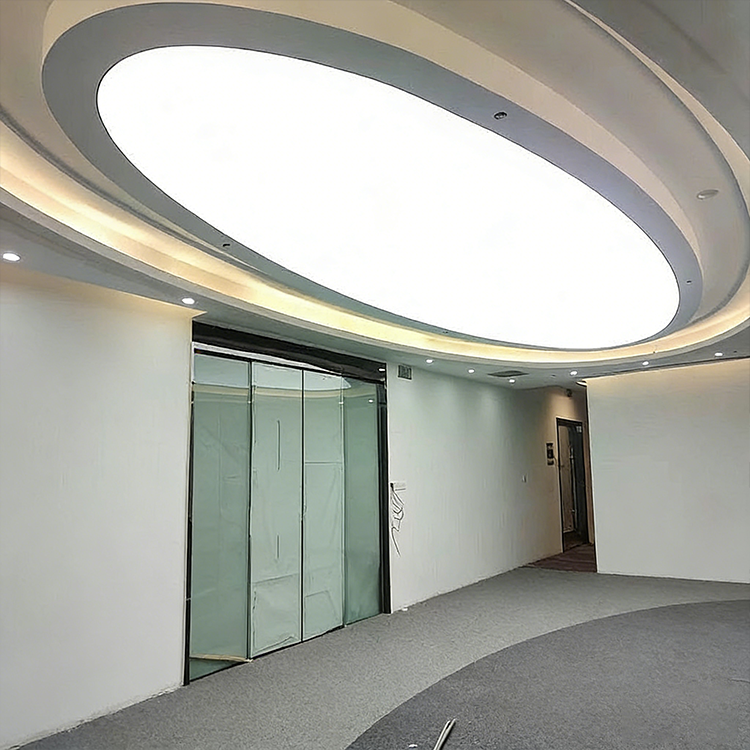
Designing a home gym involves more than selecting the right equipment or flooring. The ceiling plays a surprisingly influential role in how the space feels, performs, and holds up over time. Among the modern ceiling solutions available today, the stretch ceiling has gained significant popularity in residential fitness spaces because of its clean finish, practical benefits, and wide range of aesthetic options. However, when it comes to choosing the right type, homeowners are often faced with a critical decision: PVC or fabric?
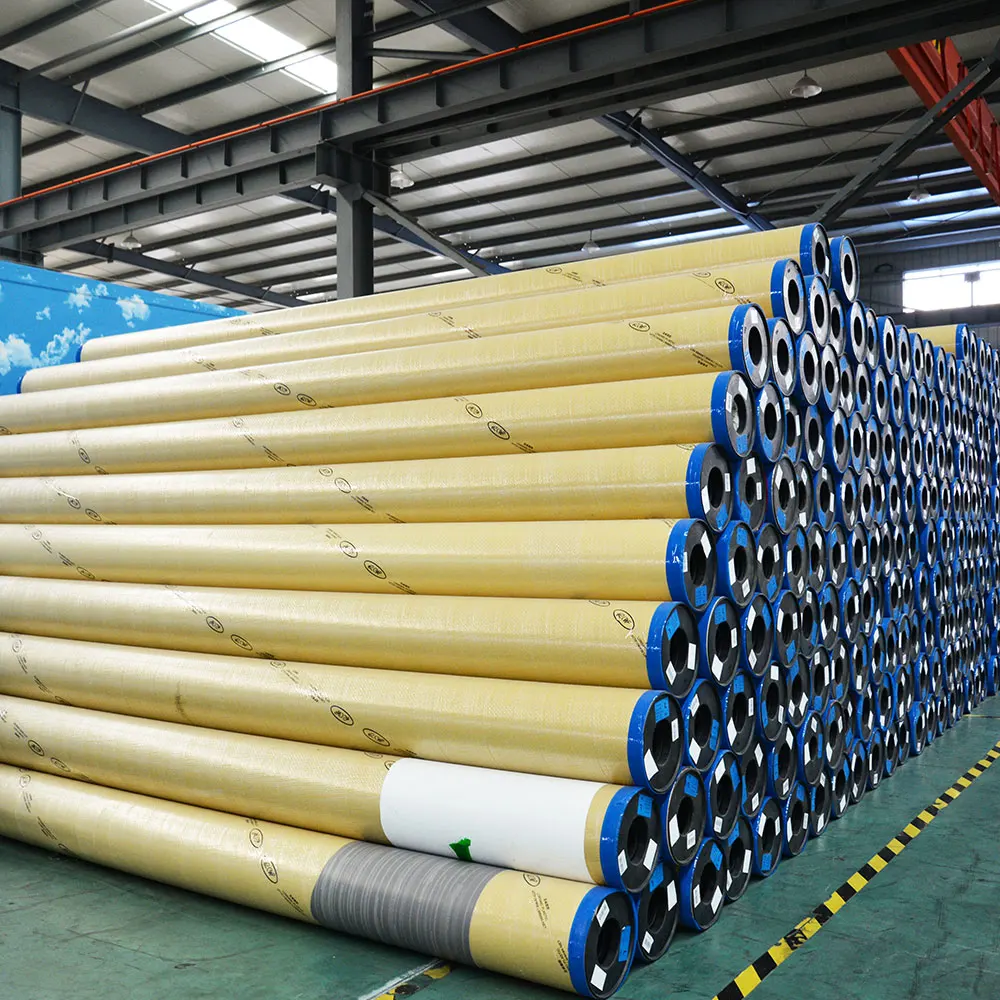
Both PVC and fabric stretch ceiling systems offer distinct advantages and limitations that directly affect their suitability for a home gym environment. The right choice depends on several factors including humidity tolerance, lighting preferences, acoustic needs, budget, and the overall design vision for the space. This article walks through each of these considerations in depth so that homeowners and interior designers can make a fully informed, confident decision before committing to either option.
Understanding the Two Main Types of Stretch Ceiling
What Is a PVC Stretch Ceiling
A PVC stretch ceiling is manufactured from polyvinyl chloride film, which is engineered to be highly flexible, waterproof, and durable. The film is heat-stretched and locked into a perimeter track system, creating a perfectly smooth and taut surface. This type of stretch ceiling is particularly well known for its glossy finishes, although matte and satin surfaces are also widely available.
In a home gym setting, the PVC stretch ceiling stands out because of its impermeability to moisture. Intense workouts naturally generate perspiration, humidity, and warmth. PVC film does not absorb moisture, making it resistant to mold, mildew, and warping over time. It can also be easily wiped clean, which is a significant advantage in a space where hygiene matters.
PVC stretch ceiling films are available in hundreds of colors, finishes, and even printed designs. Translucent options allow for backlit ceiling effects, which can dramatically transform the atmosphere of a home gym. The material typically spans large areas without visible seams, contributing to a polished, professional appearance.
What Is a Fabric Stretch Ceiling
A fabric stretch ceiling, sometimes referred to as a textile or polyester stretch ceiling, is made from a woven mesh or knitted polyester fabric. Unlike PVC, the fabric material is permeable, meaning air and moisture can pass through it. This breathability is a defining characteristic that makes it suitable for specific types of environments.
Fabric stretch ceiling systems are typically installed in spaces where acoustic performance is a priority. The porous nature of the textile material allows sound waves to pass through or be absorbed by additional insulation placed behind the membrane. For a home gym where music is played loudly or where echo control matters, this can be a meaningful benefit.
Fabric options also tend to deliver a softer, more textured aesthetic compared to PVC. They are generally available in a more limited color range and do not offer the same reflective or glossy finishes that PVC provides. Fabric stretch ceiling materials are also more prone to staining if exposed to direct moisture, which is an important consideration for fitness environments.
Moisture and Humidity Resistance in a Gym Environment
Why Moisture Matters More in a Home Gym
A home gym generates more humidity than most other rooms in a house. Cardio sessions, strength training, and high-intensity workouts raise both body temperature and ambient humidity levels. Without proper ventilation, this moisture accumulates near the ceiling and can penetrate materials that are not moisture-resistant. Over time, this leads to discoloration, material degradation, and potential mold growth.
When evaluating a stretch ceiling for a gym, moisture resistance should be among the top priorities. The ceiling material must be able to withstand prolonged exposure to elevated humidity without losing structural integrity or surface quality. This factor alone often becomes the decisive consideration for many homeowners choosing between PVC and fabric.
PVC vs. Fabric in Humid Conditions
PVC stretch ceiling film is fully waterproof and impermeable. It does not absorb moisture, does not swell, and does not support mold or mildew growth on its surface. In fact, certain PVC stretch ceiling installations can even hold water temporarily in the event of a ceiling leak, acting as a protective barrier for the room below. This makes PVC the clearly stronger choice in high-humidity environments like home gyms.
Fabric stretch ceiling material, being porous and permeable, allows moisture to travel through the membrane. While this breathability can be an advantage in certain contexts, it also means that the fabric is vulnerable to moisture accumulation, staining, and long-term degradation if exposed to gym-level humidity on a regular basis. Without excellent ventilation and climate control, a fabric stretch ceiling in a home gym could deteriorate faster than expected.
If the gym space includes a sauna, steam room, or an indoor pool adjacent to the training area, the argument for PVC becomes even more compelling. PVC stretch ceiling products are specifically designed for these high-moisture applications and have a long track record of reliable performance in such settings.
Acoustic Performance and Sound Management
The Role of Sound in a Home Gym
Sound management is often overlooked during the planning stages of a home gym but becomes very noticeable once the space is in regular use. Hard, reflective surfaces such as concrete floors and smooth walls create echo and reverberation that can make a gym feel harsh and uncomfortable. Music, equipment noise, and impact sounds bounce around the room in ways that reduce the overall training experience.
A stretch ceiling can contribute positively or negatively to the acoustic character of the space depending on which material is selected. Understanding this difference is essential when the gym is located in a shared home where sound transmission to adjacent rooms is also a concern.
Acoustic Advantages of Fabric vs. PVC
Fabric stretch ceiling materials offer a natural acoustic advantage because the permeable textile allows sound waves to pass through and be absorbed by acoustic insulation or batt material placed behind the membrane. This combination can meaningfully reduce echo within the gym and limit sound transmission to other areas of the home. For home gym owners who train early in the morning or late at night, this acoustic benefit has real practical value.
PVC stretch ceiling film, being impermeable, acts more like a hard reflective surface from an acoustic standpoint. It does not absorb sound and can contribute to reverberation within the gym space. That said, acoustic panels or foam insulation can be installed above a PVC stretch ceiling to partially compensate for this limitation. The stretch ceiling frame system leaves a cavity between the film and the structural ceiling, which can be filled with sound-absorbing material during installation.
If acoustic performance is a high priority and moisture is not a dominant concern because the gym has excellent ventilation, fabric may be the better choice. However, for most standard home gym setups where humidity control is imperfect and acoustic needs are moderate, PVC stretch ceiling with supplemental acoustic treatment behind the film often provides the best overall balance.
Aesthetics, Lighting Integration, and Design Flexibility
Visual Impact and Finish Options
The visual appeal of a home gym affects motivation and the overall experience of using the space. A well-designed gym feels intentional, professional, and energizing. Ceiling design contributes significantly to this perception, and the two types of stretch ceiling offer quite different aesthetic possibilities.
PVC stretch ceiling film provides an exceptionally wide range of finish options including high-gloss, matte, satin, metallic, translucent, and custom-printed designs. Glossy PVC ceilings can make a room feel larger and more dramatic, while matte finishes create a calmer, more focused atmosphere. Custom printed stretch ceiling panels can feature motivational imagery, abstract graphics, or brand-inspired patterns that make the gym space feel uniquely personal.
Fabric stretch ceiling options are generally available in matte or softly textured finishes that deliver a more understated and natural look. This aesthetic suits gym designs that aim for a minimalist or warm, residential feel. However, the range of design options is narrower compared to PVC, and fabric does not support the same degree of custom printing or reflective finishes.
Lighting Integration Potential
One of the most exciting features of a stretch ceiling in a home gym is the ability to integrate lighting directly into the ceiling system. PVC translucent film is particularly well suited for backlit ceiling installations, where LED panels or strips are placed above the film to create a glowing, diffused light effect. This backlighting technique eliminates harsh shadows, distributes light evenly across the training space, and creates a motivating visual environment.
Backlit stretch ceiling systems using translucent PVC film have become a popular choice in commercial gyms and fitness studios, and the same technology translates beautifully to home gym applications. The result is a ceiling that functions as a continuous light source, removing the need for recessed fixtures or pendant lights that can interfere with overhead movements or equipment clearance.
Fabric stretch ceiling materials can also be used with backlighting in some configurations, but the diffusion quality is different and the range of effects is more limited. Fabric does not achieve the same luminous, high-impact visual result that translucent PVC film delivers. For homeowners who want to use lighting as a central design element in their gym, PVC stretch ceiling remains the stronger platform.
Installation, Maintenance, and Long-Term Cost
Installation Considerations for Home Gym Applications
Both PVC and fabric stretch ceiling systems use a similar track-based installation method in which a perimeter profile is fixed to the walls and the membrane is stretched and locked into the track. The installation process requires professional expertise and specialized tools, particularly for heat application in the case of PVC film. The installation timeline for a typical home gym ceiling is usually completed within one to two days depending on the size of the room.
PVC stretch ceiling installation requires a heat gun to soften and stretch the film before securing it into the track. This technique demands experience to achieve consistent tension and a wrinkle-free surface. Fabric stretch ceiling installation is often considered slightly more accessible because it does not require heat treatment, relying instead on the natural elasticity of the textile. However, both materials should be installed by trained professionals to ensure quality results.
Maintenance Requirements and Lifespan
PVC stretch ceiling surfaces are very easy to maintain. They can be wiped down with a damp cloth or mild cleaning solution to remove dust, smudges, or moisture deposits. The non-porous surface resists staining and does not require specialized cleaning products. In a gym environment where surfaces are regularly exposed to sweat and humidity, this ease of maintenance is a practical advantage that reduces long-term upkeep effort.
Fabric stretch ceiling materials require more careful maintenance. They are more susceptible to staining from direct contact with moisture or cleaning solutions, and spot cleaning must be done gently to avoid damaging the textile weave. Over time, fabric materials in high-humidity environments may also develop a slightly musty odor if ventilation is inadequate. These limitations make fabric a higher-maintenance option in active gym settings.
In terms of lifespan, PVC stretch ceiling products are generally rated for fifteen to twenty-five years or more when properly installed and maintained. Fabric systems can also deliver long service lives in appropriate conditions, but they tend to show aging more quickly in challenging environments like gyms. Factoring in the cost of replacement or repair over a decade or more, PVC often offers a lower total cost of ownership for home gym applications despite potentially higher upfront material costs.
FAQ
Is a PVC stretch ceiling safe to use in a home gym with limited ventilation?
Yes, PVC stretch ceiling products used in home gyms are generally safe and have passed standard indoor air quality certifications. High-quality PVC film is low in volatile organic compounds and does not emit harmful odors during normal use. However, improving ventilation in any home gym is recommended not only for ceiling longevity but also for the comfort and health of the person training. Good airflow reduces humidity buildup and helps the ceiling and all other surfaces last longer.
Can a stretch ceiling be installed in a basement home gym?
A stretch ceiling can work very well in a basement gym. PVC stretch ceiling film is particularly well suited for basement applications because basements tend to have higher ambient humidity. The waterproof properties of PVC film prevent moisture damage and mold growth. The stretch ceiling also hides unfinished structural elements like pipes, beams, or ductwork that are commonly found in basement ceilings, creating a clean and professional look in what would otherwise be a raw utility space.
Which stretch ceiling type is better for a home gym with a home audio system?
If your home gym includes a built-in speaker system and you train with loud music, a fabric stretch ceiling is generally better for acoustic management because the permeable fabric allows sound to travel through the membrane into absorbent material placed above it. This reduces echo and makes the listening experience more controlled and pleasant. PVC stretch ceiling can also be combined with acoustic insulation placed in the ceiling cavity, which partially addresses reverberation, though the acoustic result may not be as refined as a dedicated fabric solution.
How do I decide between PVC and fabric if my home gym is also used as a yoga or meditation room?
For a dual-purpose space that serves both active workouts and yoga or meditation, the decision depends on which qualities matter most to you. If you want a calm, soft visual atmosphere with better acoustic absorption for a quieter practice environment, fabric stretch ceiling may align better with the yoga or meditation function. However, if the space generates significant sweat and humidity during cardio or strength work, PVC stretch ceiling with a matte finish offers the best moisture protection while still delivering a clean, neutral aesthetic that works well for mindful practices. Many homeowners in this situation choose matte PVC stretch ceiling as a balanced compromise.
Table of Contents
- Understanding the Two Main Types of Stretch Ceiling
- Moisture and Humidity Resistance in a Gym Environment
- Acoustic Performance and Sound Management
- Aesthetics, Lighting Integration, and Design Flexibility
- Installation, Maintenance, and Long-Term Cost
-
FAQ
- Is a PVC stretch ceiling safe to use in a home gym with limited ventilation?
- Can a stretch ceiling be installed in a basement home gym?
- Which stretch ceiling type is better for a home gym with a home audio system?
- How do I decide between PVC and fabric if my home gym is also used as a yoga or meditation room?