
 EN
EN



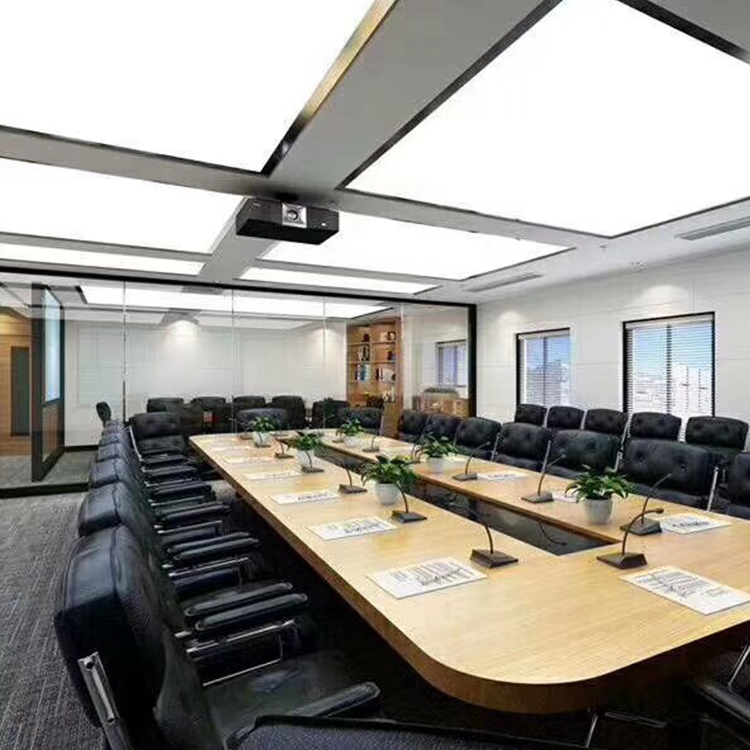
If you have ever looked up at a raw concrete slab and wondered whether you truly need to go through the mess and expense of plastering before finishing it, you are not alone. Many homeowners, contractors, and interior designers face this exact dilemma when renovating older buildings or newly constructed spaces where the concrete overhead is rough, cracked, or simply uneven. The good news is that a stretch ceiling system is specifically engineered to address this challenge, offering a clean, professional finish without requiring the substrate to be perfectly smooth first.
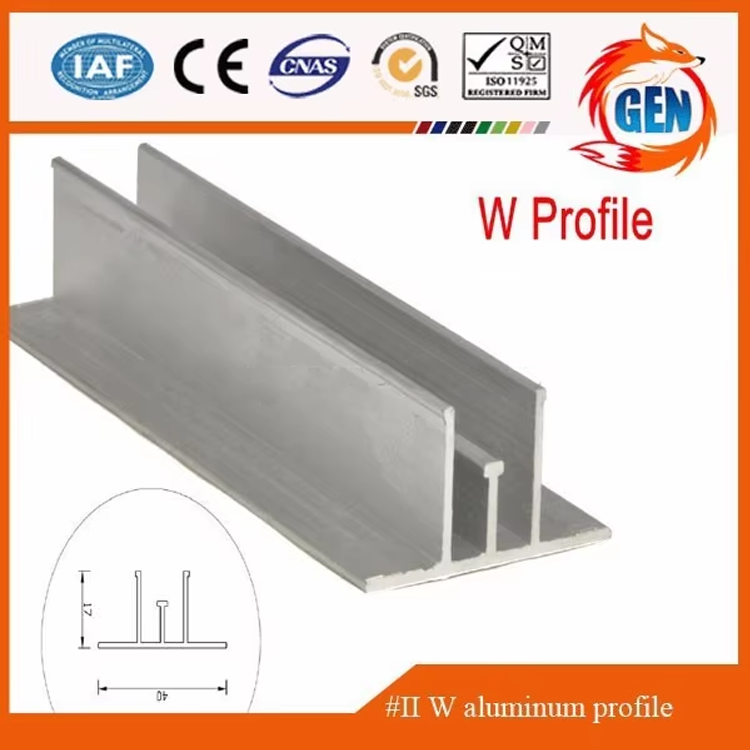
A stretch ceiling works on a fundamentally different principle than conventional plastered or drywalled ceilings. Rather than adhering a surface material directly to the structural slab, it suspends a tensioned membrane beneath it, supported entirely by a lightweight perimeter track system attached to the walls. This means the condition of the concrete above becomes largely irrelevant to the final visual result, making a stretch ceiling one of the most practical and increasingly popular solutions for concealing imperfect structural surfaces in both residential and commercial environments.
How a Stretch Ceiling Conceals Structural Imperfections
The Suspended Membrane Principle
The core reason a stretch ceiling can hide uneven concrete without plastering lies in its installation method. A rigid or flexible track profile is fixed around the perimeter of the room at the desired ceiling height. The membrane, typically made from PVC or polyester fabric, is then heated and stretched across the room before being clipped or tucked into the track. Once tensioned, it sits independently of the slab above, creating its own flat, smooth, or decoratively shaped plane.
Because the membrane never actually touches the concrete, bumps, cracks, water stains, exposed rebar shadows, and uneven surface textures are completely hidden from view. There is an air gap between the membrane and the raw slab, which serves both as a visual barrier and as a useful cavity for running cables, inserting lighting fixtures, or adding acoustic insulation. The stretch ceiling essentially creates a new ceiling layer without any mechanical bonding to the problematic surface above.
This suspended approach makes it uniquely suited to environments where plastering would be impractical. Industrial lofts, converted warehouses, older apartment blocks with heavily stained concrete, and new builds where the slab pour was uneven all benefit enormously from this solution. The stretch ceiling delivers a finished result that looks polished and deliberate, regardless of what lies above it.
Clearance Requirements and Height Considerations
One practical consideration when using a stretch ceiling to conceal a rough slab is the amount of headroom available. Standard track profiles require only a minimal drop from the original ceiling level, typically between 30 and 50 millimetres for the basic system, which means rooms with normal ceiling heights lose very little usable space. However, if you plan to integrate recessed lighting, HVAC ducting, or acoustic panels within the cavity, you will need to plan for a slightly larger gap.
In spaces where every centimetre of height counts, the stretch ceiling remains one of the least height-invasive solutions available for hiding a rough concrete slab. Unlike a full suspended grid ceiling, which can drop a room by 150 millimetres or more, a well-installed stretch ceiling keeps the visual ceiling level as high as possible while still completely masking the structural surface above. This is one of the reasons architects and interior designers consistently favour the stretch ceiling in height-sensitive residential projects.
Why Plastering First Is Not Always Necessary
Traditional Plastering vs the Stretch Ceiling Approach
Plastering a concrete ceiling is a skilled, time-consuming, and often costly process. The concrete must first be primed, a bonding agent or scratch coat applied, followed by one or more layers of plaster, each requiring adequate drying time before the next can be applied. If the concrete is particularly uneven, multiple skim coats may be needed, and there is always the risk of cracking over time as the building settles or the plaster bond weakens. The entire process generates significant dust and disruption.
A stretch ceiling bypasses all of this entirely. The installation process is relatively quick, typically completed in a single day for a standard residential room, and it produces minimal mess. There is no wet trade work involved, no drying time required, and no risk of the surface cracking or delaminating over the years. For property owners who want a fast, clean, and durable solution, the stretch ceiling is a logically superior alternative to plastering in many situations.
That said, it is worth clarifying that there are certain circumstances where some preparatory work is still advisable. If the concrete slab has active water ingress or structural cracks that are still moving, these issues should be addressed before any ceiling system is installed, whether plaster or stretch membrane. A stretch ceiling will hide the problem visually, but it will not resolve an underlying moisture or structural issue. Treating root causes first ensures the longevity of the stretch ceiling installation.
Moisture, Condensation, and the Concrete Surface
One area where the stretch ceiling holds a genuine advantage over plastering is in environments prone to condensation or minor moisture. PVC-based stretch ceiling membranes are inherently moisture-resistant and do not absorb humidity the way plaster or painted drywall does. If condensation forms on the cold concrete slab above, it will not affect the membrane below, provided the installation is correctly ventilated and the room's humidity is managed within normal parameters.
In contrast, plaster applied directly to a cold concrete surface is vulnerable to moisture migration, which can lead to efflorescence, paint peeling, and mould growth over time. The air gap created by the stretch ceiling actually provides a degree of thermal buffering, reducing the likelihood of condensation forming on the membrane surface itself. This makes the stretch ceiling particularly well suited to basement conversions, ground-floor flats, and any space where the concrete slab tends to run cold.
What the Installation Process Actually Involves
Preparing the Walls, Not the Ceiling
When installing a stretch ceiling over a rough concrete slab, the preparatory focus shifts from the ceiling itself to the walls. The perimeter track must be fixed at a consistent height all the way around the room, which requires the walls to be reasonably plumb and the fixing points to be solid. In most cases, standard masonry anchors are sufficient for attaching the track to brick, block, or concrete walls. A laser level is used to ensure the track sits at a precisely consistent height, which is what delivers the visually flat appearance of the finished stretch ceiling.
The concrete slab above needs no preparation other than a quick inspection to ensure there is no active water dripping, no dangerously loose concrete fragments that could fall onto the membrane, and no large protrusions that would prevent the membrane from being stretched smoothly. In the vast majority of real-world installations, the slab is left entirely as found. This is one of the defining practical advantages of the stretch ceiling format.
Membrane Tensioning and Finishing Details
Once the track is in place and any embedded elements such as lighting fixtures, speakers, or ventilation grilles have been positioned, the membrane installation begins. The PVC or fabric sheet is warmed using a heat gun or warm air blower to make it pliable, then progressively stretched and fixed into the track working from the centre outward to opposite walls. As it cools, the membrane contracts slightly and becomes taut, achieving the smooth, wrinkle-free finish that makes a stretch ceiling so visually effective.
The final perimeter detail, where the membrane meets the wall, is covered with a shadow gap, a decorative cover strip, or a coving profile depending on the design intent. This finishing element also conceals the track itself, leaving a seamless transition between the stretch ceiling and the wall surface. The result is a ceiling that looks precision-finished and architecturally intentional, with no indication that a rough concrete slab exists just a few centimetres above it.
Practical Suitability Across Different Renovation Scenarios
Older Buildings and Heritage Properties
In older buildings where the concrete or masonry overhead is heavily stained, cracked, or structurally compromised in appearance, plastering is often impractical because the surface bond is unreliable. Trying to plaster over friable or contaminated concrete risks adhesion failure and ongoing maintenance issues. A stretch ceiling completely removes this risk by not relying on any bond with the overhead surface whatsoever. It simply floats beneath the problem, hiding it permanently.
Heritage buildings often have uneven or ornate original structural features that owners do not wish to damage or obscure with irreversible finishes. A stretch ceiling is a reversible system. The membrane can be removed and the track uninstalled without damaging the original structure. This reversibility is highly valued in listed or heritage-protected properties where permanent modification may be restricted. The stretch ceiling offers a compliant, elegant, and practical solution in these sensitive contexts.
New Build and Commercial Applications
Even in new construction projects, concrete slab soffits are rarely smooth enough to leave exposed or to plaster directly without extensive preparation. Form-tie holes, surface bug holes, release agent residue, and the natural variation of concrete finishing all contribute to a surface that requires significant remediation before a conventional ceiling finish can be applied. A stretch ceiling installed directly below the freshly struck slab addresses all of these issues in a single fast installation step.
In commercial settings such as retail stores, restaurants, offices, and hotels, the stretch ceiling is valued not only for its concealment capability but also for its aesthetic versatility. It can be specified in matte, satin, gloss, translucent, printed, or acoustically treated variants, allowing the same concealment solution to serve dramatically different design briefs. The stretch ceiling is simultaneously a practical problem-solver and a premium design statement, which is why its adoption in commercial interiors has grown significantly in recent years.
FAQ
Does the concrete slab need to be sealed or treated before installing a stretch ceiling?
In most cases, no sealing or treatment of the concrete slab is required before installing a stretch ceiling. Because the membrane does not contact the slab directly, surface porosity, minor contamination, or uneven texture do not affect the installation. However, if there is active water seeping through the slab, this should be addressed at the source before the stretch ceiling is fitted, as persistent water ingress can pool on the membrane over time.
How much height does a stretch ceiling system take away from the room?
A standard stretch ceiling installation typically reduces the room height by as little as 30 to 50 millimetres when no additional elements are integrated into the ceiling cavity. If recessed lighting, ventilation ducts, or acoustic layers are included, the required drop will be larger but is generally still much less than a traditional suspended grid ceiling. This makes the stretch ceiling one of the most height-efficient concealment solutions available for rough concrete slabs.
Can a stretch ceiling be installed in a room with very irregular or sloped concrete?
Yes, a stretch ceiling can be installed in rooms with significantly irregular, sloped, or vaulted concrete slab profiles. The perimeter track can be adjusted to accommodate different wall heights around the room, and the membrane can be tensioned to follow a deliberate slope or curve if desired. Specialist track profiles and membrane geometries allow the stretch ceiling to be adapted to complex architectural shapes that would be very difficult and costly to achieve with conventional plastering.
Is a stretch ceiling a permanent solution, or can it be removed later?
A stretch ceiling is a fully reversible installation. The membrane can be carefully released from the perimeter track and removed without damage to the walls, and the track itself can be uninstalled leaving only small fixing holes in the wall surface. This reversibility makes it an attractive option for rental properties, heritage buildings, and any situation where the owner may want to change the ceiling design in the future without committing to irreversible construction work.
Table of Contents
- How a Stretch Ceiling Conceals Structural Imperfections
- Why Plastering First Is Not Always Necessary
- What the Installation Process Actually Involves
- Practical Suitability Across Different Renovation Scenarios
-
FAQ
- Does the concrete slab need to be sealed or treated before installing a stretch ceiling?
- How much height does a stretch ceiling system take away from the room?
- Can a stretch ceiling be installed in a room with very irregular or sloped concrete?
- Is a stretch ceiling a permanent solution, or can it be removed later?