
 EN
EN



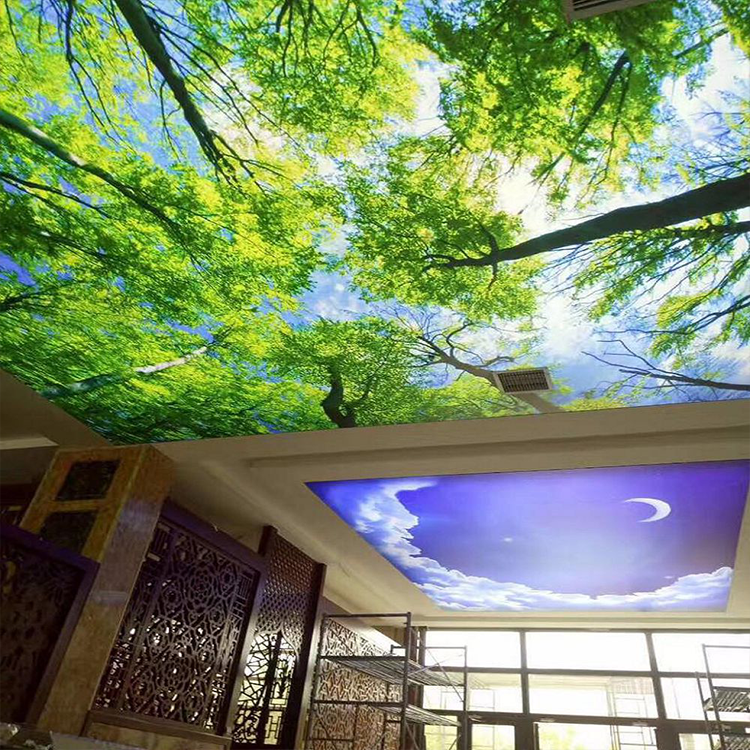
Selecting the appropriate LED density for a seg light box with deep profiles represents a critical design decision that directly impacts visual performance, energy efficiency, and overall display effectiveness. Deep profile seg light boxes, characterized by their extended depth from the face to the backplane, create unique lighting challenges that differ substantially from shallow profile configurations. The relationship between profile depth and LED spacing determines how evenly light disperses across the fabric surface, influencing everything from brightness uniformity to shadow elimination. Understanding this technical relationship enables designers and fabricators to optimize their seg light box installations for maximum visual impact while controlling operational costs and ensuring long-term reliability.
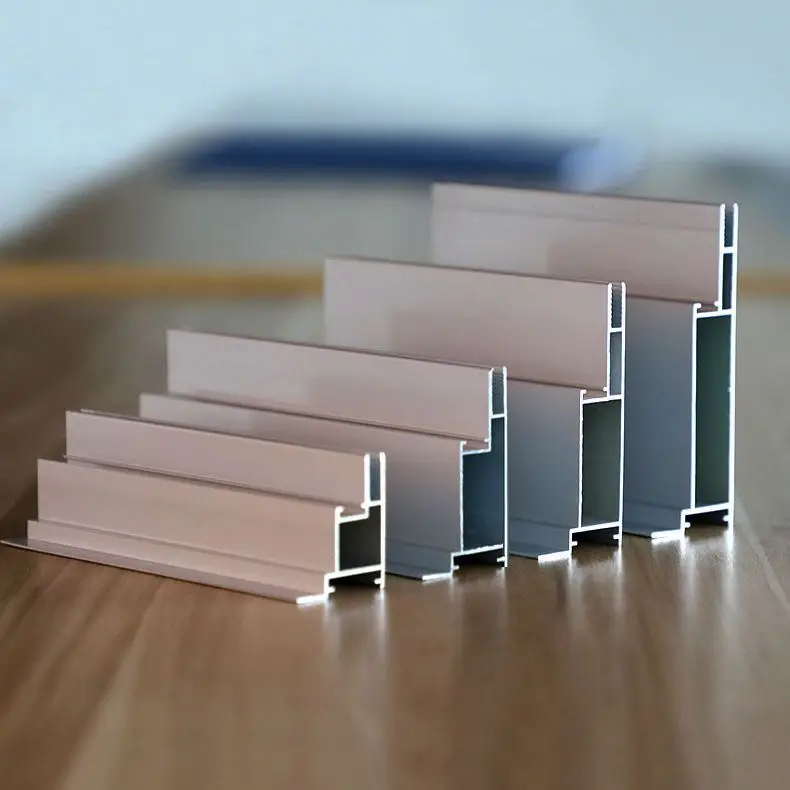
The decision-making process for LED density in deep profile seg light box applications involves balancing multiple technical factors including viewing distance, graphic content characteristics, ambient lighting conditions, and budget considerations. Unlike standard backlit signage, deep profile systems provide extended mixing distance that allows light from individual LEDs to blend before reaching the fabric surface, which fundamentally changes the optimal spacing calculations. This guide systematically explores the technical principles, measurement criteria, and practical selection methods that professional installers and designers use to determine the ideal LED configuration for their specific seg light box projects with deep profiles.
Understanding the Relationship Between Profile Depth and LED Spacing Requirements
How Profile Depth Creates Optical Mixing Distance
The depth of a seg light box profile serves as the primary optical mixing chamber where individual LED point sources transform into diffused area illumination. When LEDs are mounted along the perimeter of a deep profile frame, the physical distance between the LED array and the fabric surface allows light rays to spread and overlap before illuminating the graphic material. This mixing distance directly correlates with the permissible spacing between individual LED modules, creating a mathematical relationship that guides density selection. Deeper profiles inherently provide more mixing distance, which theoretically allows for wider LED spacing without creating visible hotspots or uneven illumination patterns across the display surface.
In practical applications, deep profile seg light box configurations typically range from 80mm to 200mm in depth, with each increment in depth expanding the effective mixing zone. The light cone angle from each LED, combined with the travel distance to the fabric, determines the illuminated area that each individual LED can effectively cover. Professional lighting designers apply geometric calculations based on the LED beam angle, typically ranging from 120 to 160 degrees for standard backlit applications, to establish minimum spacing ratios. For a seg light box with a 120mm deep profile, the mixing distance allows LED modules spaced at 50-75mm intervals to achieve relatively uniform coverage, whereas the same spacing in a 40mm shallow profile would create pronounced brightness variations.
Calculating the Optimal Spacing Ratio for Different Depth Categories
Establishing the appropriate LED spacing for seg light box installations requires applying industry-standard spacing-to-depth ratios that account for optical physics and visual perception thresholds. The fundamental principle follows that LED spacing should not exceed the profile depth by more than a factor of 0.6 to 1.0 for optimal uniformity, though this ratio adjusts based on fabric translucency and graphic design requirements. For deep profile systems measuring 100mm or greater, designers commonly employ a spacing ratio of 0.8, meaning LEDs positioned 80mm apart in a 100mm deep seg light box will produce acceptable uniformity for most commercial applications.
This spacing ratio methodology provides a baseline calculation that must then be refined based on specific project parameters including the fabric transmission characteristics and graphic content density. Highly translucent fabrics reveal underlying LED positions more readily than opaque materials, requiring tighter spacing to maintain visual quality. Similarly, graphics featuring large areas of solid light colors or pure white backgrounds demand higher LED density to prevent visible brightness variations, while designs incorporating darker elements or complex imagery can tolerate slightly wider spacing. Professional seg light box installers typically create physical mockups or use photometric simulation software to verify that calculated spacing ratios will deliver acceptable results before finalizing LED configurations for production installations.
The Impact of LED Beam Angle on Coverage Patterns
The beam angle specification of LED modules fundamentally influences how light distributes within a seg light box cavity and determines the effective coverage area for each individual LED. Standard LED strips designed for backlit signage applications typically feature beam angles between 120 and 160 degrees, with wider angles providing broader light distribution but potentially reduced intensity at the edges of the coverage pattern. In deep profile seg light box configurations, wider beam angles generally prove more effective because they maximize the overlap between adjacent LEDs within the extended mixing distance, creating smoother brightness transitions across the display surface.
When evaluating LED density requirements, the beam angle directly affects the number of LEDs needed to achieve complete coverage without dark zones or hotspots. A 160-degree beam angle LED in a 120mm deep seg light box will illuminate a significantly larger area of the fabric surface compared to a 120-degree alternative, potentially allowing for reduced LED density while maintaining uniformity standards. However, wider beam angles also distribute the same luminous flux over a larger area, which can reduce peak brightness levels and may require higher power LEDs or increased density to achieve target illumination levels. Professional designers balance these competing factors by selecting beam angles appropriate to the profile depth and then adjusting LED density to meet both uniformity and brightness specifications for the specific seg light box application.
Key Factors That Determine Required LED Density
Viewing Distance and Visual Acuity Considerations
The intended viewing distance for a seg light box installation significantly influences the acceptable LED density because human visual acuity has finite resolution limits that vary with distance from the display. Seg light boxes positioned for close-range viewing, such as retail point-of-purchase displays or museum exhibits viewed from one to three meters, require higher LED density to prevent viewers from perceiving individual LED positions or brightness variations. Conversely, large-format seg light box installations designed for viewing distances exceeding five meters, such as trade show backwalls or architectural signage, can employ lower LED densities because the increased viewing distance naturally blends any minor illumination inconsistencies below the threshold of visual detection.
Professional lighting designers apply visual acuity standards derived from optical science to establish minimum LED density thresholds for different viewing scenarios. The general principle holds that illumination variations should not exceed 20-30% across the display surface for close viewing applications, while variations up to 40% may prove acceptable for distant viewing contexts. For a deep profile seg light box intended for viewing at two meters, LED spacing typically should not exceed 60-80mm to maintain this uniformity standard, whereas installations viewed from ten meters might accommodate spacing up to 150mm while still appearing uniformly lit. These calculations must account for the specific profile depth, as deeper frames inherently provide better light mixing that can partially compensate for wider LED spacing at any given viewing distance.
Graphic Content Characteristics and Color Sensitivity
The visual content displayed on a seg light box fabric exerts substantial influence over the required LED density because different graphic elements reveal illumination inconsistencies with varying sensitivity. Designs featuring large areas of solid white backgrounds, light pastel colors, or gradual color transitions demand the highest LED density because these elements provide minimal visual distraction from underlying brightness variations. In contrast, seg light box graphics incorporating darker colors, high-contrast patterns, busy photographic imagery, or substantial text coverage can successfully utilize lower LED densities because the graphic content itself masks minor illumination differences.
Color sensitivity represents another critical consideration in LED density selection for seg light box applications, as human vision perceives brightness variations more acutely in certain color ranges. Light blue, pale yellow, and white backgrounds demonstrate the highest sensitivity to uneven illumination, often revealing LED positions or brightness patterns that would remain invisible against darker or more saturated colors. Professional designers evaluate the specific graphic content planned for a seg light box installation and classify it according to sensitivity categories ranging from high-sensitivity designs requiring maximum LED density to low-sensitivity designs that can accommodate reduced density. This content-driven approach to LED density selection ensures that the lighting system specifically matches the visual demands of the displayed graphics rather than applying a universal density standard that may prove unnecessarily expensive or insufficient for particular applications.
Ambient Lighting Conditions and Brightness Competition
The ambient lighting environment where a seg light box operates significantly affects the required LED density because higher surrounding light levels demand increased display brightness to maintain visual prominence and readability. Seg light box installations in brightly lit retail environments, outdoor applications with direct sunlight, or trade show halls with intensive overhead lighting require substantially higher LED density to generate sufficient luminance to compete with ambient illumination. Conversely, installations in controlled lighting environments such as museums, theaters, or dedicated display areas can achieve effective visual impact with lower LED densities because the reduced ambient light allows the backlit display to dominate the visual field even at moderate brightness levels.
Professional lighting designers measure ambient illumination levels in lux and establish target display brightness specifications that ensure the seg light box will achieve desired visual contrast ratios in its operational environment. A general guideline suggests that backlit displays should produce luminance levels at least three to five times greater than the ambient illumination to achieve strong visual presence. For deep profile seg light box systems, achieving these brightness targets while maintaining uniformity often requires careful LED density optimization, as insufficient density may create adequate average brightness but poor uniformity, while excessive density increases energy consumption and heat generation without proportional visual benefits. The specific ambient conditions therefore serve as a critical input parameter that designers incorporate into comprehensive LED density calculations alongside profile depth, viewing distance, and graphic content characteristics.
Technical Specifications and Measurement Criteria
Understanding LED Density Measurement Units
LED density for seg light box applications is commonly expressed in multiple measurement units that each provide different perspectives on the lighting configuration. The most straightforward metric specifies LEDs per linear meter of frame perimeter, typically ranging from 40 to 200 LEDs per meter depending on application requirements and LED individual brightness specifications. Deep profile seg light box installations generally utilize densities between 60 and 120 LEDs per meter, with the specific value determined by the factors previously discussed including profile depth, viewing distance, and graphic sensitivity. This linear density measurement provides practical guidance for estimating total LED requirements and calculating power consumption for a specific frame size.
Alternative measurement approaches express LED density as spacing distance between individual modules, typically specified in millimeters, or as total luminous flux per square meter of display surface, measured in lumens. The spacing distance metric directly relates to installation procedures and frame construction, with common specifications ranging from 20mm for high-density applications to 100mm for low-density configurations in deep profile seg light box systems. Professional specifications often combine multiple metrics to provide comprehensive lighting parameters, such as stating that a particular seg light box design requires 80 LEDs per meter with 12.5mm spacing, generating 3000 lumens per square meter of surface area. Understanding these various measurement conventions enables accurate communication between designers, fabricators, and installers while ensuring that LED density specifications translate correctly into physical installations.
Luminance Uniformity Standards and Measurement Methods
Quantifying the illumination uniformity of a seg light box requires establishing measurement protocols that objectively assess brightness variations across the display surface. The industry standard uniformity metric calculates the ratio between minimum and maximum luminance readings taken at specified grid points across the display, typically expressed as a percentage or decimal ratio. Professional specifications for commercial seg light box installations commonly target uniformity ratios of 0.7 or higher, meaning the dimmest measured point should reach at least 70% of the brightness of the brightest point, though premium applications may specify 0.8 or 0.85 for enhanced visual quality.
Measuring luminance uniformity requires specialized photometric equipment including calibrated luminance meters or spectroradiometers positioned at standardized distances and angles relative to the seg light box surface. The measurement protocol typically involves establishing a grid pattern with measurement points spaced at regular intervals, commonly 300-500mm apart for large displays, and recording luminance values at each location with the display showing a uniform white test image. Professional evaluators exclude edge zones within 100-150mm of the frame perimeter from uniformity calculations because edge effects inherently create some brightness variation in perimeter-lit systems. The collected data then undergoes statistical analysis to calculate not only the minimum-to-maximum ratio but also average luminance and standard deviation metrics that provide comprehensive characterization of the seg light box illumination performance relative to the LED density employed.
Power Consumption and Thermal Management Requirements
LED density directly determines the total power consumption and heat generation of a seg light box system, creating important practical considerations for electrical infrastructure and thermal management. Standard LED strips used in seg light box applications typically consume between 10 and 25 watts per meter depending on LED type, density, and brightness specifications. A deep profile seg light box measuring 3 meters by 2 meters with a 10-meter perimeter using LED strips rated at 18 watts per meter with 100 LEDs per meter density would require 180 watts total power, whereas doubling the density to 200 LEDs per meter might increase power consumption to 300-360 watts depending on the specific LED configuration.
Thermal management becomes increasingly critical at higher LED densities because concentrated heat generation can reduce LED lifespan, cause color shift, and potentially damage fabric materials in extreme cases. Deep profile seg light box designs inherently provide some thermal advantage because the extended cavity depth allows for greater air volume and heat dissipation compared to shallow profiles. However, installations exceeding 150 LEDs per meter in deep profiles or any installation in thermally challenging environments should incorporate active or passive cooling strategies including ventilation openings, heat sinks on LED mounting channels, or thermal management coatings on the frame interior. Professional seg light box designers calculate thermal loads based on LED density and ambient conditions, then specify appropriate thermal management measures to ensure the system maintains safe operating temperatures throughout its service life while delivering consistent illumination performance.
Practical Selection Methods and Decision Framework
Establishing Performance Requirements and Constraints
Developing an effective LED density specification for a deep profile seg light box begins with systematically documenting the performance requirements and practical constraints that define the project parameters. The requirements documentation should specify target brightness levels in lux or candelas per square meter, uniformity standards as minimum-to-maximum ratios, viewing distances, operational hours per day, expected service life, and graphic content characteristics. Simultaneously, the constraints assessment identifies limiting factors including budget limitations, available power capacity, thermal management capabilities, and any dimensional restrictions that might affect LED placement or accessibility for maintenance.
This structured requirements analysis creates the foundation for informed LED density decisions by establishing clear success criteria against which different configurations can be evaluated. For example, a deep profile seg light box project might specify requirements including 120mm profile depth, 2500 lux target brightness, 0.75 minimum uniformity ratio, three-meter viewing distance, continuous 12-hour daily operation, and graphic content featuring 40% light background coverage. These specific parameters then guide the technical calculations and selection process, eliminating configurations that cannot meet minimum requirements while identifying the optimal density that satisfies all criteria at the lowest cost and complexity. Professional designers document these requirements formally and obtain client approval before proceeding to detailed LED density calculations, ensuring alignment between technical specifications and project expectations.
Creating and Evaluating Test Configurations
Physical testing represents the most reliable method for validating LED density selections for seg light box applications because theoretical calculations cannot fully account for the complex interactions between LED characteristics, frame construction, fabric properties, and graphic content. Professional fabricators commonly create small-scale test panels or full-size mockup sections incorporating different LED densities to empirically evaluate illumination performance before committing to production specifications. A typical testing protocol might compare three configurations for a deep profile seg light box: a baseline density derived from spacing ratio calculations, a higher density representing a 30% increase, and a lower density representing a 30% reduction.
Each test configuration undergoes systematic evaluation including visual assessment by multiple observers at the intended viewing distance, photometric measurement of luminance uniformity and brightness levels, photography under controlled conditions to document appearance, and cost analysis to quantify the economic implications of each density option. The evaluation process specifically examines edge uniformity, center brightness consistency, visibility of LED positions or patterns, color rendering across different graphic elements, and overall visual impact. Professional evaluators display identical graphic content on each test configuration and compare performance objectively using the previously established success criteria. This empirical approach often reveals that the theoretical optimal density requires adjustment based on specific material characteristics or visual preferences, allowing designers to refine specifications with confidence before manufacturing complete seg light box systems.
Balancing Performance and Cost Optimization
The final LED density selection for a deep profile seg light box typically involves balancing performance optimization against cost considerations to identify the configuration that delivers acceptable visual quality at the most favorable economic value. LED modules, power supplies, and installation labor represent substantial cost components that scale directly with density, meaning a 50% increase in LED density might increase total system cost by 30-40% depending on the specific components and project scale. Professional designers analyze the performance-cost relationship by calculating the marginal benefit of each density increment, identifying the point where additional LEDs produce diminishing visual improvement relative to their cost.
This optimization process frequently reveals that moderate density increases above the minimum acceptable level provide significant visual quality improvements at reasonable cost, while further increases yield minimal perceptible benefit at substantial expense. For example, increasing LED density in a deep profile seg light box from 60 to 80 LEDs per meter might improve uniformity from 0.65 to 0.78 and increase costs by 25%, representing excellent value for quality-focused applications. However, further increasing density from 80 to 120 LEDs per meter might improve uniformity only marginally to 0.82 while increasing costs by another 40%, potentially representing poor value unless the application demands maximum performance. Professional specifications document this analysis transparently, presenting clients with multiple configuration options that clearly articulate the performance and cost implications of different LED density choices, enabling informed decisions that align with project priorities and budget realities.
FAQ
What is the minimum LED density recommended for a seg light box with a 100mm deep profile?
For a seg light box with a 100mm deep profile, the minimum recommended LED density typically ranges from 60 to 80 LEDs per meter of frame perimeter, which translates to approximately 12.5 to 16.7mm spacing between individual LED modules. This density range applies to standard commercial applications with viewing distances of two to four meters and moderate graphic sensitivity. The specific minimum within this range depends on factors including the LED beam angle, with wider angles allowing slightly lower densities, and the graphic content characteristics, with light-colored or simple designs requiring densities toward the higher end of the range. Applications demanding higher uniformity standards or closer viewing distances should consider densities of 90-100 LEDs per meter even with 100mm profile depth.
How does fabric translucency affect the required LED density in deep profile seg light boxes?
Fabric translucency significantly impacts LED density requirements because more translucent materials allow greater light transmission but also reveal underlying illumination patterns more readily than opaque fabrics. Highly translucent fabrics with transmission rates exceeding 40% typically require 15-25% higher LED density compared to semi-opaque materials with 20-30% transmission to achieve equivalent uniformity standards in deep profile seg light box applications. The increased density compensates for the reduced light diffusion that occurs with translucent materials, ensuring that individual LED positions do not create visible hotspots on the display surface. Conversely, diffusing fabrics with embedded scattering particles or textured surfaces can sometimes achieve acceptable uniformity with slightly reduced LED density because they provide additional optical mixing beyond what the profile depth alone provides.
Can you reduce LED density in a deep profile seg light box by using higher power LEDs instead?
Substituting higher power LEDs does not effectively reduce the required LED density for achieving uniformity in deep profile seg light box installations, though it does affect overall brightness capability. Uniformity depends primarily on the geometric relationship between LED spacing and profile depth rather than individual LED power output, meaning that widely spaced high-power LEDs will still create brightness variations and potential hotspots similar to widely spaced standard LEDs. However, higher power LEDs can be beneficial when a project requires both high brightness levels and good uniformity, as they allow adequate illumination intensity while maintaining the LED spacing necessary for uniform light distribution. The most effective approach combines appropriate LED density based on spacing calculations with LED power output selected to achieve target brightness levels, treating density and power as complementary rather than interchangeable specifications.
What LED density changes are needed when converting a shallow profile design to a deep profile seg light box?
Converting from a shallow profile to a deep profile seg light box generally allows for reduced LED density while maintaining or improving uniformity due to the increased optical mixing distance. As a guideline, each 50mm increase in profile depth typically permits approximately 20-30% reduction in LED density while achieving equivalent uniformity performance. For example, a shallow 40mm profile requiring 120 LEDs per meter for acceptable uniformity might achieve similar results with only 80-90 LEDs per meter when the profile depth increases to 100mm or greater. However, this density reduction must be validated through calculation or testing specific to the project parameters, and designers should consider whether maintaining the original higher density in the deeper profile would provide enhanced uniformity that justifies the additional cost for premium applications.
Table of Contents
- Understanding the Relationship Between Profile Depth and LED Spacing Requirements
- Key Factors That Determine Required LED Density
- Technical Specifications and Measurement Criteria
- Practical Selection Methods and Decision Framework
-
FAQ
- What is the minimum LED density recommended for a seg light box with a 100mm deep profile?
- How does fabric translucency affect the required LED density in deep profile seg light boxes?
- Can you reduce LED density in a deep profile seg light box by using higher power LEDs instead?
- What LED density changes are needed when converting a shallow profile design to a deep profile seg light box?