
 EN
EN




Airport walkways represent one of the most strategically valuable advertising and wayfinding environments in modern transportation infrastructure, where passenger dwell time, visual attention patterns, and directional flow create unique communication opportunities. The question of which specific applications genuinely require a double-sided seg light box for airport walkways extends beyond simple signage placement, involving careful consideration of pedestrian traffic patterns, viewing angles from multiple directions, spatial constraints within concourse architecture, and the functional distinctions between wayfinding systems, commercial advertising networks, and operational messaging requirements. Understanding the precise application contexts that justify investment in double-sided illuminated fabric tension systems rather than single-sided alternatives or alternative display technologies requires analysis of visibility requirements, content management needs, spatial efficiency demands, and return on investment calculations specific to airport terminal environments.
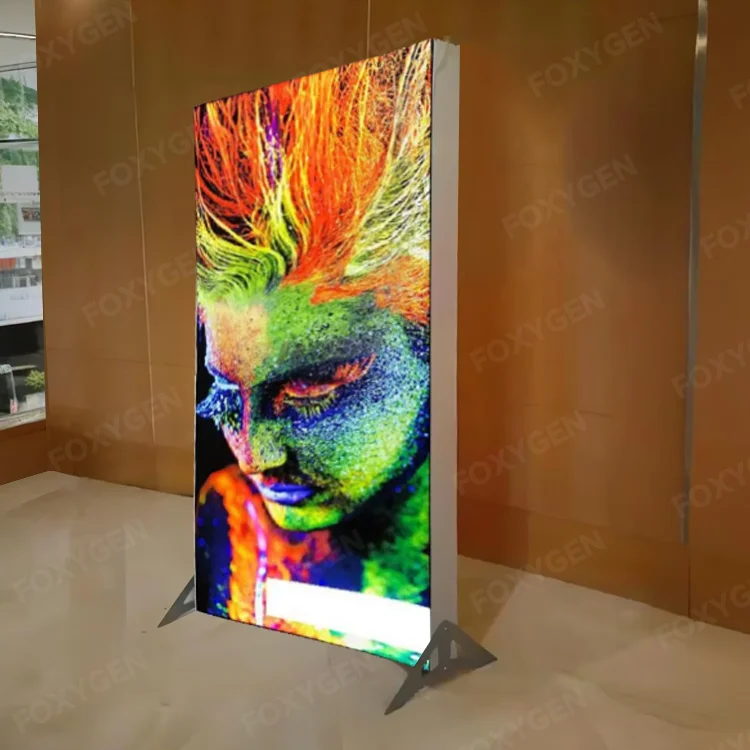
The architectural reality of airport walkways creates distinct zones where bidirectional visibility becomes not merely advantageous but operationally essential, particularly in high-traffic connector corridors linking terminal buildings, gate concourses serving passengers moving in opposing directions simultaneously, and central circulation spines where traveler flow splits toward different airline operations or baggage claim areas. A double-sided seg light box serves applications where messaging must reach audiences approaching from opposite directions without requiring duplicated infrastructure or wasted real estate on corridor sides that remain invisible to significant passenger segments. The decision framework for selecting double-sided configurations over single-sided alternatives hinges on quantifiable factors including passenger count approaching from each direction, message criticality for time-sensitive wayfinding, advertising revenue potential from dual-impression capture, and structural limitations that prevent installation of separate units facing each traffic stream.
Critical Wayfinding Applications in Bidirectional Passenger Flow Zones
Gate Concourse Directional Signage Systems
Gate concourses in modern airport terminals frequently feature long linear walkways where passengers move in both directions simultaneously, with arriving passengers heading toward baggage claim and ground transportation while departing passengers proceed toward their assigned gates. In these environments, directional wayfinding information must be visible and comprehensible to travelers moving in opposite directions, creating a fundamental need for double-sided seg light box installations that present appropriate orientation information to each passenger stream. Single-sided signage in these locations forces airports to either install duplicate signs facing opposite directions or accept that half of all passenger traffic receives inadequate wayfinding support during their terminal navigation.
The seg fabric tension system offers particular advantages in these wayfinding applications because airport operations teams require the ability to update directional information as gate assignments change, concourse sections undergo renovation, or seasonal traffic patterns shift terminal utilization. A double-sided seg light box with silicone edge graphics allows facilities management teams to change wayfinding content on both display faces without complex disassembly procedures or specialized installation expertise, maintaining operational flexibility while ensuring consistent illumination quality and professional appearance standards. The lightweight fabric graphics reduce structural loading requirements compared to rigid panel alternatives, an important consideration when suspending directional signs from terminal ceiling systems not originally designed for heavy signage loads.
Inter-Terminal Connector Corridor Navigation
Airports with multiple terminal buildings connected by enclosed walkways or underground tunnels face especially acute needs for double-sided illuminated signage systems, as these connector corridors serve passengers moving between terminals in both directions throughout operational hours. Passengers transferring between flights operated by different airline alliances, travelers correcting navigation errors after initially proceeding toward incorrect terminals, and airport employees moving between work locations all utilize these connector spaces, creating continuous bidirectional pedestrian traffic that requires clear wayfinding information visible from both approach directions. The double-sided seg light box becomes the optimal solution in these applications because corridor width limitations often prevent installation of separate signage arrays on both walls without creating visual clutter or obstructing passenger flow.
These connector corridor applications demand particular attention to viewing distance and message legibility, as travelers in these transitional spaces often experience heightened stress levels related to tight connection times or uncertainty about correct terminal locations. The even illumination characteristics of seg fabric light boxes ensure that directional arrows, terminal identifiers, and distance information remain clearly visible under the varied ambient lighting conditions found in connector corridors, which may transition from natural daylight in elevated walkways to artificial lighting in underground passages. The slim profile of double-sided seg light box units allows suspension from corridor ceilings at heights that maximize visibility while maintaining clearance for maintenance vehicle passage and emergency evacuation requirements.
Security Checkpoint Queue Management Zones
Security checkpoint areas represent another critical application where double-sided seg light box installations serve essential operational functions, particularly in queue management zones where passenger lines may snake back and forth across available floor space. Informational signage explaining prohibited items, acceptable identification documents, TSA PreCheck lane eligibility, and checkpoint process steps must be visible to passengers regardless of which direction their position in the switchback queue faces at any given moment. A double-sided seg light box mounted on freestanding poles within the queue area or suspended from ceiling mounting points ensures that passengers receive consistent exposure to important preparation messaging throughout their wait time, reducing processing delays caused by travelers arriving at screening stations unprepared.
The ability to rapidly update messaging content on both faces of these security area light boxes provides airports with operational flexibility to communicate changing regulations, temporary procedure modifications during heightened security periods, or seasonal reminders about gift-wrapped packages and holiday travel preparation. The seg system's tool-free graphic change capability allows airport security coordinators to implement new messaging across multiple checkpoint locations quickly, ensuring communication consistency across all passenger touchpoints. The double-sided configuration maximizes the informational value extracted from each installed unit, an important consideration given the typically constrained floor space available in security queue zones and the high costs associated with checkpoint area construction and infrastructure installation.
Premium Commercial Advertising Applications in High-Value Circulation Spaces
Duty-Free Retail Corridor Advertising Networks
International terminal duty-free retail corridors represent some of the most commercially valuable advertising real estate in airport environments, where captive audiences with significant dwell time and demonstrated purchasing intent create premium conditions for brand messaging exposure. Double-sided seg light box installations in these corridors serve advertising networks that monetize passenger attention from travelers moving in both directions, maximizing impression counts and advertising revenue potential from each physical installation location. Luxury brands, duty-free retailers, travel services, and destination marketing organizations compete for these high-visibility placements, driving rental rates that justify the incremental investment in double-sided display capabilities over single-sided alternatives.
The visual quality characteristics of double-sided seg light box units align particularly well with luxury brand advertising requirements in these premium retail environments, as the edge-to-edge illumination and wrinkle-free fabric appearance support high-resolution photographic imagery and sophisticated brand messaging that would appear degraded on inferior display technologies. Airport advertising concessionaires value the seg system's ability to accommodate frequent creative rotation as brand campaigns evolve and advertiser portfolios change, with graphic change procedures that can be completed during overnight maintenance windows without disrupting daytime passenger flow or retail operations. The slim profile of double-sided seg light box installations maximizes pedestrian circulation space within retail corridors while maintaining visual impact, an important consideration in high-rent terminal areas where every square meter of floor space carries significant economic value.
Baggage Claim Area Brand Engagement Zones
Baggage claim areas provide another high-value application context for double-sided seg light box installations, as arriving passengers typically spend fifteen to thirty minutes in these spaces with limited competing demands on their attention while waiting for luggage delivery. The circular or oval layout of most baggage carousel configurations creates natural traffic patterns where passengers approach advertising displays from multiple directions, making double-sided visibility essential for maximizing impression delivery and engagement opportunity. Ground transportation providers, hotel chains, rental car services, and destination attractions utilize these advertising positions to capture traveler attention during the critical decision-making window immediately following arrival, when transportation and accommodation choices are being finalized.
The double-sided seg light box configuration allows advertisers to present different creative messages on each display face, supporting sophisticated audience segmentation strategies that deliver distinct messaging to domestic versus international arrivals, business versus leisure travelers, or other demographic segments that may approach carousel areas from different terminal entry points. This dual-message capability adds strategic value beyond simple impression multiplication, enabling more nuanced marketing communication approaches that increase advertiser willingness to pay premium rates for these placements. The even illumination and color consistency provided by seg fabric technology ensures that brand colors and photographic imagery appear accurate and appealing under the varied ambient lighting conditions found in baggage claim areas, which often feature combinations of natural daylight from terminal windows and artificial illumination from ceiling fixtures.
Concession Court and Food Service Plaza Visibility
Airport concession courts and food service plazas represent concentrated passenger gathering points where dwell time, discretionary spending activity, and visual attention patterns create favorable conditions for commercial messaging delivery through double-sided seg light box installations. These dining and retail clusters typically feature central seating areas surrounded by vendor outlets, with passenger traffic approaching from multiple terminal corridors and gate concourses, making bidirectional visibility essential for maximizing advertising exposure. The double-sided seg light box serves as an effective centerpiece advertising element in these environments, visible to diners seated throughout the food court area as well as passengers passing through adjacent circulation corridors, multiplying impression opportunities from each installed unit.
Restaurant brands, quick-service food operators, and beverage companies utilize these placements to drive immediate purchasing behavior among passengers with demonstrated appetite and available time before flights, creating direct revenue attribution opportunities that justify premium advertising rate structures. The ability to display different menu offerings, promotional messages, or brand imagery on each face of a double-sided seg light box allows concession operators to optimize messaging for distinct audience segments or time-of-day consumption patterns, supporting dynamic marketing strategies that respond to actual traffic and sales patterns. The slim profile and clean aesthetic of seg fabric light boxes integrate well with contemporary airport terminal design vocabularies, avoiding the visual clutter associated with traditional rigid signage systems while maintaining commanding presence within busy concession environments.
Operational and Emergency Communication Requirements
Flight Status and Real-Time Information Display
While digital LED screens dominate real-time flight status communication in most modern airports, certain operational messaging applications benefit from the hybrid approach of combining digital content management systems with double-sided seg light box physical installations. Gate assignment messaging, terminal map displays showing current facility status, and directional information pointing toward specific airline operations all require visibility from multiple approach directions while maintaining the professional appearance and readability characteristics that seg fabric illumination provides. The double-sided seg light box serves as the physical display medium for printed or digitally-printed graphics that communicate semi-permanent operational information, with updating frequencies measured in weeks or months rather than minutes or hours.
Airport operations teams value the double-sided seg light box format for wayfinding applications where electronic display costs cannot be justified but bidirectional visibility remains operationally essential, such as directional signage in remote terminal sections, overflow gate areas used only during peak travel periods, or temporary terminal configurations implemented during renovation projects. The ability to produce updated seg fabric graphics using large-format digital printing equipment allows airports to maintain current and accurate wayfinding information without the capital expenditure and ongoing maintenance costs associated with electronic display networks. The double-sided configuration ensures that these operational communication needs are met efficiently, avoiding the duplicated infrastructure and maintenance burden that separate single-sided installations would require.
Emergency Evacuation and Safety Protocol Signage
Emergency evacuation routes, assembly point identifications, and safety protocol communications represent critical applications where double-sided seg light box installations serve life-safety functions in airport walkway environments. During emergency evacuations, passengers and airport personnel must be able to identify exit routes and safety information regardless of their orientation or direction of travel when the emergency begins, making bidirectional visibility a fundamental safety requirement rather than a marketing optimization consideration. The illuminated nature of seg light boxes ensures that safety messaging remains visible during power failures when emergency backup lighting systems activate, provided the light box electrical systems are connected to emergency power circuits.
Fire safety codes and building regulations in most jurisdictions establish specific visibility and illumination requirements for emergency egress signage, and double-sided seg light box installations can be engineered to meet these standards when specified with appropriate electrical components and mounting hardware. The slim profile and ceiling-mounting capability of many double-sided seg light box designs avoid creating physical obstructions in evacuation routes, an important consideration under life-safety codes that establish minimum clear corridor widths and prohibit projections that could impede emergency egress. Airport facility managers must work with sign manufacturers and local code enforcement authorities to ensure that any double-sided seg light box units intended for emergency communication applications meet applicable electrical, structural, and photometric standards for life-safety signage systems.
Infrastructure Optimization and Spatial Efficiency Drivers
Structural Loading and Ceiling System Constraints
The structural characteristics of airport terminal ceiling systems frequently impose practical constraints that make double-sided seg light box installations preferable to alternative signage approaches, particularly in terminals constructed during earlier architectural eras when ceiling structures were not designed to accommodate modern signage loads. The lightweight aluminum frame construction and minimal weight of seg fabric graphics allow double-sided seg light box units to be suspended from ceiling mounting points with substantially lower structural reinforcement requirements than rigid panel light boxes or cabinet-style displays of equivalent viewing area. This weight advantage becomes operationally decisive in retrofit signage projects where strengthening existing ceiling structures would require disruptive construction work and substantial capital expenditure.
Airport facility managers evaluating signage options for walkway corridors must consider the cumulative structural impact of multiple installations across extensive terminal environments, as the weight difference between seg fabric systems and rigid alternatives multiplies across dozens or hundreds of individual sign locations. The double-sided seg light box configuration delivers twice the display surface area of a single-sided unit without doubling the structural load, since the incremental weight of the second fabric graphic and minimal additional framing represents only a small percentage increase over the base unit weight. This efficiency factor makes the double-sided seg light box particularly attractive in applications where maximizing communication capacity within existing structural constraints represents a primary design objective.
Maintenance Access and Graphic Change Logistics
The operational reality of managing signage systems across sprawling airport terminal environments creates strong preference for display technologies that minimize maintenance complexity and graphic change labor requirements, particularly for installations in difficult-access locations such as high ceiling mounting points or positions above security-restricted areas. The seg fabric system's tool-free graphic change procedure allows maintenance personnel to update both faces of a double-sided seg light box quickly without specialized equipment or extensive training, reducing the labor cost and operational disruption associated with routine content updates. This maintenance efficiency becomes especially valuable in applications requiring frequent graphic rotation, such as advertising networks with monthly creative changes or wayfinding systems that must reflect terminal configuration updates.
Airport operations teams typically manage signage maintenance during overnight hours when passenger traffic levels drop to minimum levels and terminal areas can be temporarily closed for servicing work without impacting flight operations. The ability to change graphics on both faces of a double-sided seg light box during a single maintenance visit maximizes the productive value of these limited maintenance windows, avoiding the need for separate service calls to update each display face. The durability and wrinkle-resistance of quality seg fabric materials reduce the frequency of graphic replacement driven by wear or appearance degradation, further minimizing the total lifecycle maintenance burden associated with airport walkway signage installations. The combination of these maintenance advantages makes the double-sided seg light box a strategically efficient choice for airport applications where operational continuity and cost control represent ongoing management priorities.
Application Selection Decision Framework and Implementation Considerations
Traffic Analysis and Visibility Requirement Assessment
The decision to specify a double-sided seg light box for a particular airport walkway application should begin with systematic analysis of passenger traffic patterns, quantifying the volume of travelers approaching from each direction and assessing whether single-sided signage would leave significant traffic segments without adequate message exposure. Airport operations teams can utilize existing passenger counting systems, security checkpoint data, and flight schedule information to model traffic flows throughout terminal environments, identifying specific corridor segments where bidirectional movement patterns create clear justification for double-sided visibility. Locations where traffic splits or merges, where passengers change direction to access gates or amenities, or where circulation patterns create approach angles from multiple vectors all represent strong candidates for double-sided seg light box deployment.
The visibility assessment must also consider viewing distances, sight line obstructions, ambient lighting conditions, and competing visual elements that may affect message comprehension and attention capture. A double-sided seg light box provides value only when passengers approaching from both directions have unobstructed sight lines to the display and when viewing distances fall within the effective legibility range for the message content and graphic design. Airport signage planners should conduct field verification of proposed installation locations during different times of day and under various operational conditions to ensure that visibility assumptions underlying the double-sided specification decision reflect actual environmental conditions rather than theoretical analysis alone.
Content Strategy and Message Differentiation Opportunities
The strategic decision to deploy a double-sided seg light box rather than a single-sided alternative should consider whether the application benefits from displaying identical content on both faces or whether different messaging on each side would better serve user needs and business objectives. Wayfinding applications typically require identical or complementary directional information on both faces, ensuring that passengers receive consistent orientation guidance regardless of approach direction. Advertising applications may benefit from displaying different creative executions, promotional offers, or brand messages on each face, supporting audience segmentation strategies or A/B testing approaches that compare response to alternative creative treatments.
The content strategy assessment should also address update frequency requirements and creative lifecycle management, as applications requiring frequent graphic rotation benefit more substantially from the seg system's efficient change procedures than applications with static or rarely-updated content. Airport advertising concessionaires operating networks with monthly creative rotation across dozens of locations realize significant operational value from the labor savings that seg fabric technology provides, while wayfinding applications with multi-year stable content may find less differentiated value between seg systems and alternative technologies. The double-sided seg light box delivers maximum strategic value when the application combines bidirectional visibility requirements with content flexibility needs and aesthetic quality standards that align with the technology's inherent strengths.
Installation Planning and Infrastructure Integration
Successful deployment of double-sided seg light box installations in airport walkway environments requires careful planning of electrical infrastructure, structural mounting systems, and integration with existing terminal architecture and building systems. Electrical planning must address power distribution to ceiling-mounted or freestanding locations, often requiring coordination with airport electrical contractors to extend circuits or install dedicated distribution panels serving signage networks. The energy efficiency of LED lighting systems used in modern seg light boxes reduces operating costs and heat generation compared to legacy fluorescent or metal halide technologies, but installations must still ensure adequate electrical capacity and proper circuit protection for the cumulative load of multiple units.
Structural mounting considerations vary depending on whether installations utilize ceiling suspension, wall mounting, or freestanding floor-supported configurations, with each approach requiring engineering analysis to verify load capacity and compliance with building codes. Ceiling-mounted double-sided seg light box units must account for wind loading from HVAC airflow, vibration from nearby mechanical equipment, and accessibility for maintenance personnel, while freestanding installations in pedestrian corridors must meet stability requirements and impact resistance standards. Airport facility managers should engage experienced signage installation contractors familiar with aviation facility requirements to ensure that double-sided seg light box deployments meet all applicable safety standards, minimize operational disruption during installation, and integrate seamlessly with existing terminal infrastructure and aesthetic design vocabularies.
FAQ
What makes airport walkways specifically suited for double-sided seg light box installations compared to other signage types?
Airport walkways create unique conditions where passengers consistently move in both directions simultaneously, particularly in connector corridors between terminals, gate concourses serving both arriving and departing traffic, and central circulation spines where passenger flow splits toward different destinations. The double-sided seg light box addresses this bidirectional traffic pattern by providing clear visibility of wayfinding or advertising content to travelers approaching from either direction, eliminating the need for duplicated signage infrastructure and maximizing the communication value extracted from each physical installation location. The lightweight seg fabric construction also suits airport applications where ceiling structural capacity limits heavier rigid display options.
Can a double-sided seg light box display different content on each face for targeted messaging?
Yes, double-sided seg light box systems allow completely independent graphic content on each display face, enabling sophisticated messaging strategies that present different information to passenger segments approaching from opposite directions. This capability proves valuable in advertising applications where marketers want to test alternative creative executions, in wayfinding applications where directional information differs based on approach vector, and in operational messaging where arrival versus departure passenger segments require distinct communication. The seg fabric system's efficient graphic change process allows airport operators or advertising concessionaires to update content on either or both faces independently without complex disassembly procedures.
How does the maintenance requirement of double-sided seg light boxes compare to traditional airport signage?
Double-sided seg light box installations typically require less maintenance labor and cause less operational disruption than traditional rigid panel light boxes or printed graphics mounted behind acrylic faces, primarily because the silicone edge graphics can be changed without tools by maintenance personnel without specialized training. Airport operations teams can update both faces of a double-sided seg light box during a single maintenance visit, maximizing productivity during limited overnight maintenance windows when terminal areas can be temporarily restricted for servicing work. The fabric graphic material resists wrinkles and maintains appearance quality longer than paper posters or vinyl graphics that may experience edge lifting or surface damage in high-traffic environments.
What are the key cost factors when evaluating double-sided seg light box investment for airport walkway applications?
The primary cost considerations include the initial capital investment in double-sided frame systems and LED lighting components, ongoing electricity costs for continuous illumination during airport operating hours, periodic graphic replacement costs as content changes or materials show wear, and maintenance labor for graphic changes and cleaning. These costs must be weighed against the value delivered through increased advertising impression counts in commercial applications, improved wayfinding effectiveness that reduces passenger confusion and staff assistance requests in operational applications, and infrastructure efficiency gains from installing one double-sided unit instead of two separate single-sided displays. The total cost of ownership analysis should also consider the energy efficiency advantages of LED illumination technology and the labor savings from seg fabric's tool-free graphic change capability compared to more labor-intensive traditional signage systems.
Table of Contents
- Critical Wayfinding Applications in Bidirectional Passenger Flow Zones
- Premium Commercial Advertising Applications in High-Value Circulation Spaces
- Operational and Emergency Communication Requirements
- Infrastructure Optimization and Spatial Efficiency Drivers
- Application Selection Decision Framework and Implementation Considerations
-
FAQ
- What makes airport walkways specifically suited for double-sided seg light box installations compared to other signage types?
- Can a double-sided seg light box display different content on each face for targeted messaging?
- How does the maintenance requirement of double-sided seg light boxes compare to traditional airport signage?
- What are the key cost factors when evaluating double-sided seg light box investment for airport walkway applications?