
 EN
EN



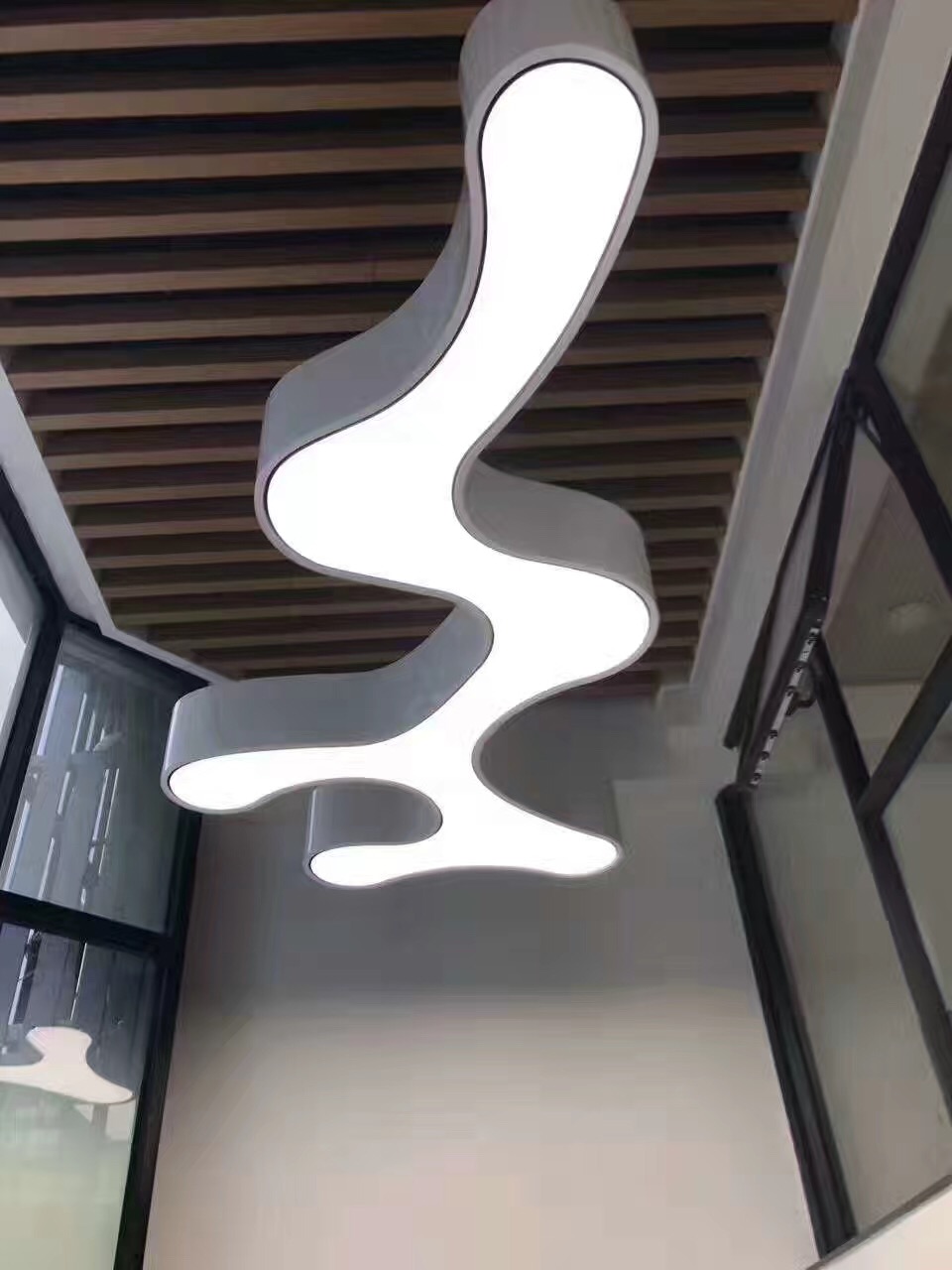
Selecting the right PVC vs polyester stretch ceiling film represents a critical decision for architects, contractors, and facility managers operating across Latin American markets. Both materials offer distinct advantages and tradeoffs that directly impact project cost, longevity, aesthetic appeal, and maintenance requirements. Understanding how PVC vs polyester stretch ceiling film perform under tropical humidity, temperature fluctuations, and UV exposure ensures your ceiling investment delivers reliable performance for years to come. This comparison examines the practical differences that matter most in Latin American climates and commercial applications.
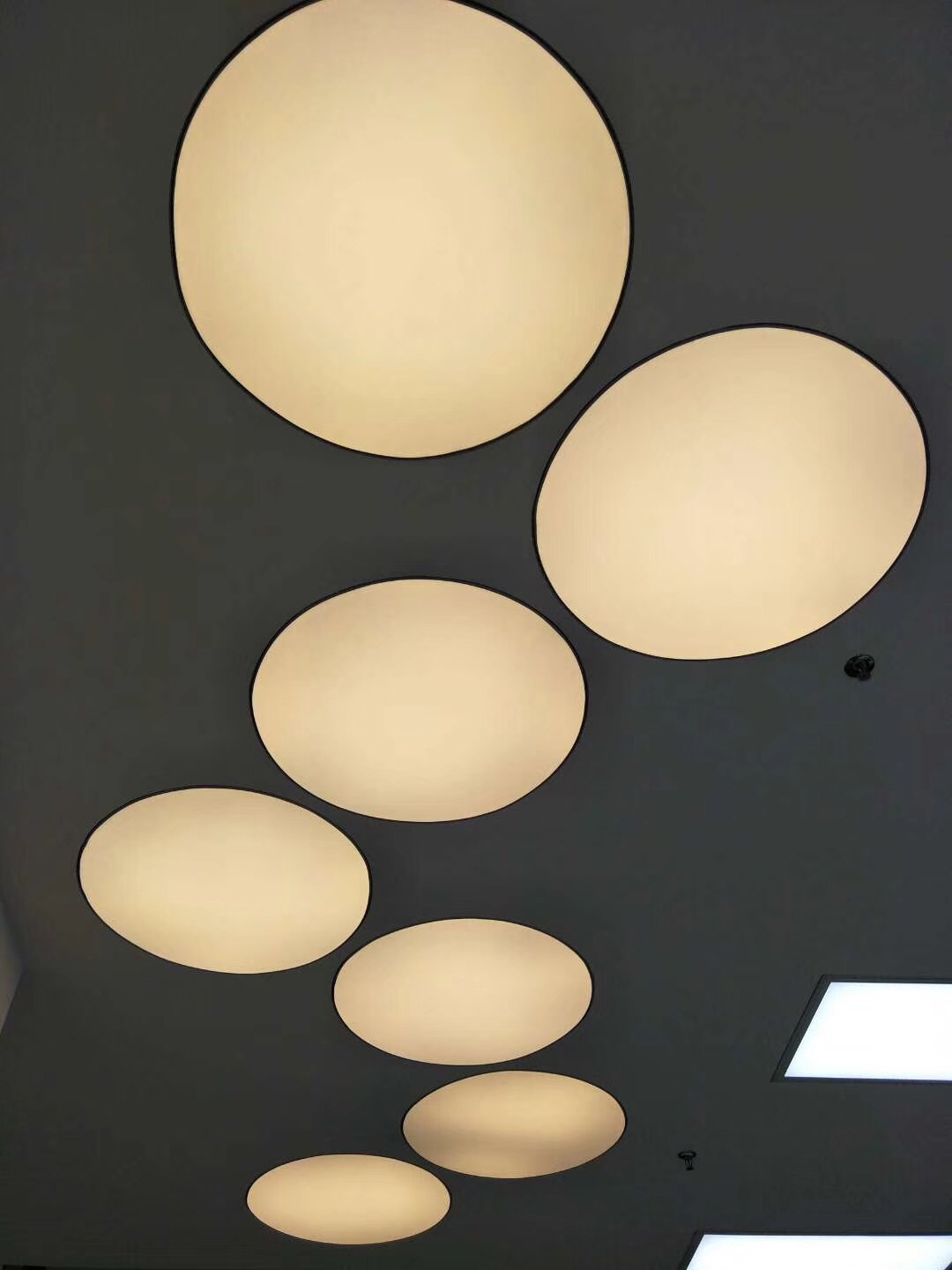
The choice between PVC vs polyester stretch ceiling film hinges on balancing initial investment against long-term durability and environmental adaptation. Each material responds differently to regional climate patterns, humidity levels, and maintenance expectations. By evaluating material composition, performance characteristics, installation requirements, and total cost of ownership, you can make a decision that aligns with your project goals and operational priorities.
Material Composition and Manufacturing Differences
Understanding PVC Stretch Ceiling Film Structure
PVC vs polyester stretch ceiling film begins with fundamental differences in raw material and production methods. PVC (polyvinyl chloride) stretch ceiling film consists of rigid plastic sheets that require heating to 60–80 degrees Celsius during installation, allowing the material to soften and stretch across the ceiling frame. The PVC vs polyester stretch ceiling film distinction shows that PVC typically includes plasticizers and stabilizers that enhance flexibility and durability. Industrial-grade PVC formulations used in Latin American installations often incorporate additives that resist UV degradation, making them suitable for spaces with high natural light exposure. The thickness of PVC ceiling film generally ranges from 0.2 to 0.5 millimeters, providing substantial structural integrity and acoustic properties that appeal to commercial and residential applications.
Polyester Stretch Ceiling Film Characteristics
Polyester stretch ceiling film operates on a fundamentally different material science principle than PVC vs polyester stretch ceiling film comparisons often highlight. Polyester films are woven or knitted fabric-based substrates coated with polyurethane, acrylic, or vinyl protective layers. Unlike PVC, polyester ceiling film does not require high-temperature heating during installation, allowing contractors to work with cooler, more energy-efficient deployment methods. When comparing PVC vs polyester stretch ceiling film, polyester materials demonstrate superior breathability, allowing moisture vapor transmission that prevents condensation buildup in humid climates. Polyester films typically measure 0.15 to 0.35 millimeters in thickness and weigh considerably less than PVC equivalents, simplifying handling and installation logistics across Latin American job sites where labor efficiency directly impacts project schedules.
Climate Resilience and Environmental Performance
Tropical Humidity and Moisture Management
Latin American markets frequently experience high-humidity coastal regions, rainforest areas, and seasonal precipitation patterns that demand ceiling materials capable of managing moisture stress. PVC vs polyester stretch ceiling film responses to humidity diverge significantly. PVC ceiling film resists moisture absorption but may experience condensation on its impermeable surface when interior temperature gradients collide with exterior humidity. Over extended periods, this condensation can encourage microbial growth on the ceiling surface unless proper ventilation systems operate continuously. In contrast, PVC vs polyester stretch ceiling film evaluations show that polyester's breathable structure allows moisture vapor to transmit through the material, reducing surface condensation and creating a naturally drier microenvironment. Industrial installations in Puerto Rico, Colombia, and Brazilian regions frequently favor polyester films specifically because they manage tropical humidity without requiring supplemental dehumidification equipment. The practical outcome means PVC vs polyester stretch ceiling film selection directly influences ongoing climate control costs and maintenance intensity across the operational lifetime.
UV Resistance and Color Stability
Exposure to intense tropical sunlight presents another critical distinction when evaluating PVC vs polyester stretch ceiling film for Latin American applications. PVC ceiling film responds to UV radiation through gradual color fading, surface crazing, and brittleness development over 8–12 years in direct-sun environments. Advanced UV stabilizers extend this timeline, but standard commercial-grade PVC vs polyester stretch ceiling film products still exhibit noticeable degradation in equatorial and subtropical climates. Premium polyester ceiling films incorporate specialized UV-absorbing coatings and pigment systems that maintain color consistency and mechanical properties for 15–20 years, even under unfiltered tropical sunlight. This extended UV resilience means PVC vs polyester stretch ceiling film comparisons often favor polyester for outdoor-adjacent installations, conservatory ceilings, and atrium applications where continuous light exposure accelerates material aging. The cost differential between standard and UV-enhanced PVC vs polyester stretch ceiling film options narrows considerably when amortized across the extended service life that polyester materials deliver in Latin American climates.
Installation Requirements and Total Cost Considerations
Installation Process and Labor Intensity
PVC vs polyester stretch ceiling film installation methodologies create substantial operational differences that affect project timelines and labor expenses. PVC ceiling film installation demands specialized heat guns or infrared heating systems that warm the material to precise temperatures before stretching and anchoring to the ceiling frame. This heat-dependent process requires trained technicians with equipment experience, and environmental conditions must remain stable throughout the installation window. Rain, high wind, and temperature fluctuations can compromise PVC installation quality, making schedule predictability challenging in variable Latin American climates. When comparing PVC vs polyester stretch ceiling film, polyester systems offer mechanical fastening and cold-installation methods that eliminate heating equipment and accelerate deployment. Installation teams can complete polyester ceiling installations in roughly 30–40% less time than equivalent PVC projects, translating directly to reduced labor costs and faster project completion. For large-scale commercial installations across Mexico City, Sao Paulo, or other major Latin American markets, the time differential between PVC vs polyester stretch ceiling film methodologies represents thousands of dollars in payroll and equipment expense.
Long-Term Maintenance and Replacement Costs
True cost comparison of PVC vs polyester stretch ceiling film extends beyond initial material and installation expenses to encompass maintenance, cleaning, and eventual replacement timelines. PVC ceiling film demands specialized cleaning protocols and incompatible chemical cleaners that can permanently damage the surface if standard commercial cleaners contact the material. Annual maintenance costs for hospitality, healthcare, and retail environments using PVC vs polyester stretch ceiling film installations often run 15–25% higher for PVC because replacement products and professional services command premium pricing. Polyester ceiling film tolerates broader cleaning chemical compatibility, allowing facility managers to use standard commercial-grade disinfectants and cleaners that reduce ongoing maintenance expenses. When evaluating PVC vs polyester stretch ceiling film across a 15-year operational window, polyester materials frequently deliver 20–35% lower total cost of ownership, even when initial material costs run slightly higher. Budget-conscious property managers operating multiple facilities across Latin American markets consistently discover that PVC vs polyester stretch ceiling film decisions favoring polyester eliminate expensive replacement cycles and specialized maintenance personnel requirements.
FAQ
Can PVC vs polyester stretch ceiling film be used interchangeably in the same installation frame?
No, PVC vs polyester stretch ceiling film materials require fundamentally different installation hardware, frame specifications, and anchoring mechanisms. PVC ceiling film demands thermally stable aluminum profiles and heat-resistant tensioning systems, while polyester systems use mechanical fasteners and flexible clip-based attachment methods. Attempting to retrofit PVC vs polyester stretch ceiling film between identical frames typically results in improper tension, wrinkles, and premature failure. Always consult installation specifications before committing to either PVC vs polyester stretch ceiling film material selection.
Which material performs better in high-humidity coastal environments throughout Latin America?
Polyester ceiling film consistently outperforms PVC in high-humidity coastal regions because its breathable structure allows moisture vapor transmission that prevents condensation accumulation. When comparing PVC vs polyester stretch ceiling film in Caribbean, Gulf of Mexico, and Atlantic coast applications, polyester materials experience fewer microbial growth issues, surface discoloration, and maintenance demands. The moisture-management advantage of polyester makes PVC vs polyester stretch ceiling film decisions favor polyester for 90% of coastal and tropical Latin American installations.
What is the expected service life difference when choosing between PVC vs polyester stretch ceiling film?
High-quality PVC ceiling film typically lasts 10–12 years in tropical Latin American climates before noticeable UV fading and brittleness emerge. Premium polyester ceiling film extends this timeline to 18–22 years under identical environmental conditions, representing a 75–100% service life extension. When evaluating PVC vs polyester stretch ceiling film costs across this extended timeline, polyester amortizes to significantly lower annual expense and reduces replacement frequency in commercial environments.