
 EN



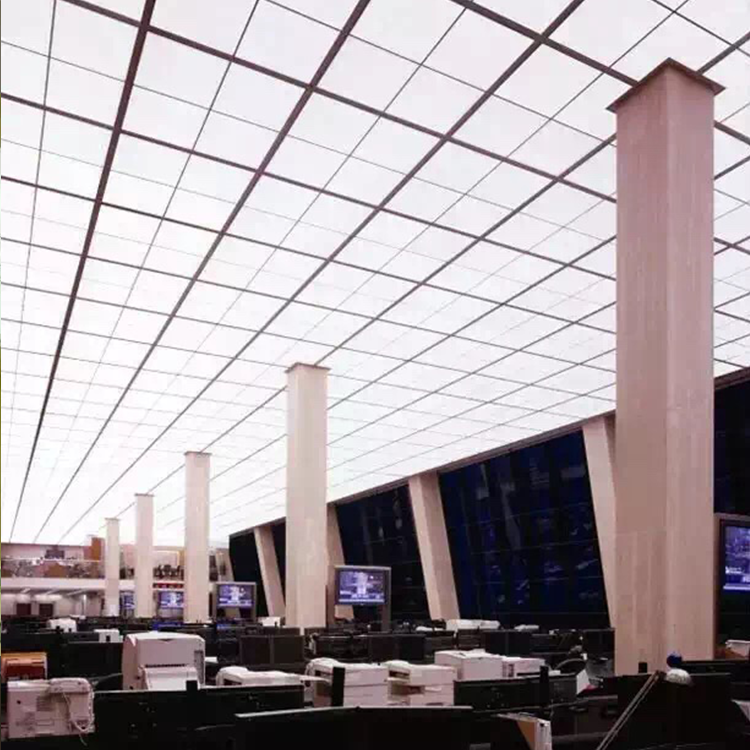
For professional installers, comparing stretch ceiling film with PVC starts with an important clarification: stretch ceiling film is commonly a PVC membrane, not a separate material category. The useful comparison is therefore between stretch ceiling film systems and other PVC ceiling products, or between film specifications and installation approaches. Understanding that distinction helps installers assess finish, handling, site conditions, and client expectations.
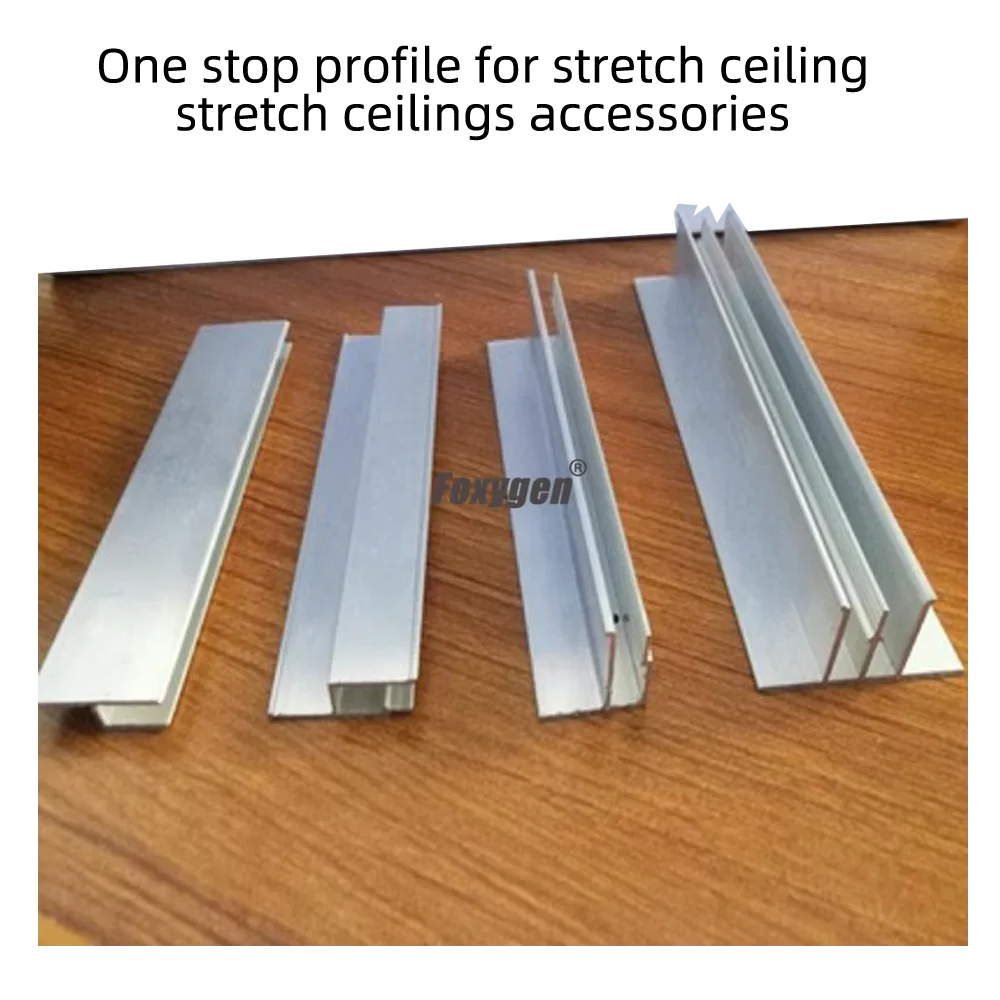
In practice, stretch ceiling film is selected as part of a complete assembly: membrane, perimeter profile, fixing method, and room conditions all affect the work. This guide compares the practical pros and cons installers encounter, explains where terminology can mislead a specification, and shows how stretch ceiling film choices influence preparation, installation planning, and handover.
Clarifying the material comparison
Stretch ceiling film is usually PVC membrane
A typical stretch ceiling film is a flexible PVC membrane tensioned within a perimeter track. PVC describes the polymer, while stretch ceiling film describes the product form and ceiling application. That distinction matters when a client asks for a comparison, because the installer should first establish whether they mean a different ceiling material, a different PVC product, or a different membrane specification.
When the request is specifically about stretch ceiling film versus rigid PVC panels, the systems differ in appearance and installation logic. Stretch ceiling film creates a continuous surface held at the room perimeter, while panels rely on individual pieces and supporting structures. Explain that stretch ceiling film avoids visible panel joints across the field, but the choice still depends on the design brief and substrate conditions.
Specification details define the real differences
Installers should review thickness, finish, roll or sheet dimensions, and the manufacturer’s installation guidance rather than relying on the word PVC alone. Stretch ceiling film may be offered in matte, satin, or reflective finishes, and those finishes affect how light and surface irregularities read. Confirm sample approval and color expectations before ordering stretch ceiling film for a large or visually prominent room.
The perimeter profile is another part of the system, not a decorative afterthought. Profile geometry and fixing compatibility determine how stretch ceiling film is retained at walls, corners, recesses, and transitions. Review the specified track, fixing substrate, and access requirements together, so the chosen stretch ceiling film can be installed without improvised details or unplanned changes during fitting.
Professional installation advantages and trade-offs
Benefits for finish, coordination, and site work
A well-planned stretch ceiling film installation can provide a broad, visually consistent ceiling plane with limited disruption to the existing structure. The membrane can conceal services and uneven overhead surfaces when the design allows suitable clearance. For installers, stretch ceiling film can simplify the visible finish, but it does not remove the need to coordinate lighting, detectors, ventilation, and access points.
The lightweight membrane and perimeter-track approach can suit renovation projects where adding a suspended grid is undesirable. Stretch ceiling film can also support distinctive finishes that clients may not expect from conventional ceiling panels. These advantages are conditional: installers must confirm the room layout, service positions, and fixing surfaces before promising a particular result from stretch ceiling film.
Handling, preparation, and workmanship risks
Flexible PVC requires careful handling to avoid cuts, punctures, creases, or contamination before tensioning. Keep stretch ceiling film protected during storage and transfer, and maintain a clean working area while fitting it. Follow the product-specific process for temperature and tension rather than assuming every stretch ceiling film behaves identically across formats or site conditions.
Corners, penetrations, and irregular room shapes demand accurate measurement and a controlled sequence of work. A stretch ceiling film surface may make poor detailing especially noticeable because the finish is uninterrupted. Verify dimensions, mark service openings only as directed, and check that the support is sound; careful preparation reduces the risk of damaging stretch ceiling film during installation.
Choosing the right system for each project
Match finish and room requirements
Start selection with the client’s visual objective, room function, and maintenance expectations. Matte stretch ceiling film can provide a restrained appearance, while reflective options create a different lighting effect that should be assessed with samples in the actual space. Discuss how stretch ceiling film will interact with daylight, luminaires, wall colors, and visible building services before approval.
Suitability also depends on environmental and project requirements, including temperature range, moisture exposure, fire documentation, and cleaning procedures. Do not assume that every stretch ceiling film specification has the same declared properties. Check product documentation against the project requirements, and record any limits that affect installation, use, or future maintenance of stretch ceiling film.
Confirm installation details before procurement
Before ordering, take site dimensions and review ceiling levels, wall construction, obstructions, and service coordination. Confirm profile type, corner treatment, fixing method, and any transition to adjacent finishes. This planning lets the installer assess whether the selected stretch ceiling film system is practical and identify details that need design-team approval before materials arrive.
A useful handover records the installed product, approved finish, care guidance, and any access limitations. Explain that stretch ceiling film is a tensioned membrane and that later service work should be handled with care by personnel familiar with the system. Clear documentation supports maintenance and helps prevent avoidable damage to stretch ceiling film after the installation team leaves.
FAQ
Is stretch ceiling film different from PVC?
Usually, stretch ceiling film is a PVC membrane, so the terms describe different things: one identifies the application and format, while the other identifies the polymer. Ask what alternative the client has in mind before making a direct comparison. The relevant differences may concern panels, finish, system design, or specification rather than PVC content.
What should installers check before fitting stretch ceiling film?
Check dimensions, substrate strength, profile compatibility, service locations, finish approval, and product-specific installation instructions. Confirm environmental and regulatory requirements against current documentation. These checks help establish whether stretch ceiling film is suitable for the room and reduce the chance of last-minute changes or damage during fitting.
What is the main advantage and drawback for installers?
The continuous finished plane and range of available appearances can make stretch ceiling film useful for design-led interiors. Its main practical drawback is the need for careful handling and precise detailing, especially around corners and penetrations. Good site preparation, coordinated services, and approved installation guidance are essential to achieve a reliable result.