
 EN
EN



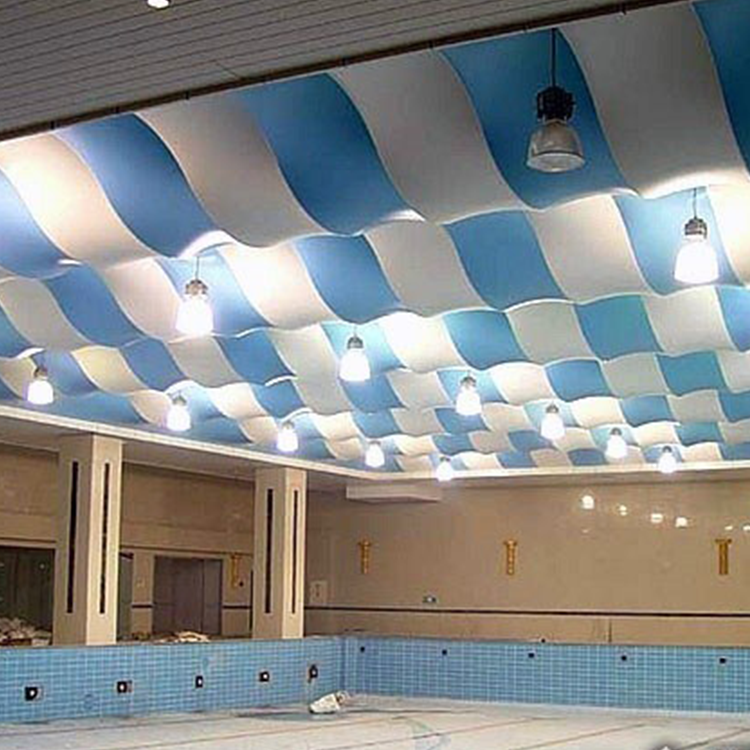
A stretch ceiling can transform any interior space with its sleek, seamless finish and modern aesthetic appeal. However, maintaining that pristine look requires more than simply wiping it down whenever dust accumulates. The material — typically a thin PVC or polyester film — is sensitive to improper cleaning techniques, and one wrong move can leave you with unsightly wrinkles, surface distortions, or even permanent damage. Understanding how to clean it correctly is not just a housekeeping detail; it is a crucial part of protecting a significant interior investment.
The good news is that cleaning a stretch ceiling without causing wrinkles is entirely achievable when you follow the right approach. The process demands gentle materials, controlled pressure, and an awareness of the film's thermal sensitivity. Whether you are a homeowner maintaining a residential installation or a facilities manager overseeing a commercial space, the principles remain the same. This guide walks you through every stage of the proper cleaning process so your stretch ceiling continues to look immaculate for years to come.
Understanding the Material Properties of a Stretch Ceiling
Why the Film Reacts Differently from Other Surfaces
A stretch ceiling is not a rigid surface like plaster or drywall — it is a tensioned membrane held in place by a perimeter track system. The film is stretched during installation, which means it already exists under a degree of mechanical tension. Any pressure, heat, or chemical interaction that disrupts that tension balance can cause the material to pucker, ripple, or wrinkle. Understanding this fundamental property is the first step toward cleaning it safely.
PVC-based stretch ceiling film is particularly sensitive to temperature fluctuations. Cold water or cold drafts can temporarily stiffen the material, while excessive heat can cause it to soften and lose its tautness. This thermal sensitivity explains why many seemingly harmless cleaning habits — like using cold spray cleaners or leaving windows open in winter during cleaning — can inadvertently introduce wrinkles. Polyester-based versions tend to be slightly more dimensionally stable, but they are still susceptible to abrasive tools and harsh chemicals.
The surface finish of a stretch ceiling also affects how it responds to cleaning. Gloss and satin finishes show smearing and streaks more readily, requiring extra care with wiping direction and cloth texture. Matte and perforated finishes can trap dust in micro-textures, demanding a gentler, more patient approach. Knowing which type of surface you have before you begin cleaning is essential to choosing the right method.
Common Sources of Wrinkles During Cleaning
Wrinkles typically appear when the stretch ceiling film is pulled, pushed, or thermally shocked during the cleaning process. One of the most common mistakes is pressing too firmly with a cloth or sponge, which displaces the tension in the membrane locally and creates a fold that may not recover fully. Another frequent error is using cleaning solutions that contain alcohol, acetone, or other solvents, which can degrade the plasticizers within PVC film and cause it to contract unevenly.
Dragging a rough or dry cloth across the surface introduces both friction and uneven lateral pressure — a recipe for micro-wrinkles that accumulate over time. Even the direction of wiping matters: always work from the center toward the perimeter track to move any displaced tension outward, rather than inward where it has nowhere to go. These small technique details make a meaningful difference in preserving the stretch ceiling's smooth appearance.
Preparing to Clean Your Stretch Ceiling Properly
Gathering the Right Tools and Cleaning Solutions
Proper preparation is the foundation of wrinkle-free stretch ceiling cleaning. You will need a microfiber cloth — the softer, the better — as this material lifts dust and light grime without applying abrasive friction. A second dry microfiber cloth should be on hand for immediate drying after any wet cleaning step. For a cleaning solution, a small amount of mild, pH-neutral dish soap diluted in lukewarm water is generally sufficient for most surface soiling.
Avoid spray bottles that produce a strong mist, since concentrated droplets can create uneven wet patches on the stretch ceiling surface. Instead, dampen your cloth directly so that it is moist but not dripping. This level of moisture control is important: too much water can seep into the perimeter track and affect the film's mounting grip over time. Lukewarm water is specifically recommended because it keeps the film at a stable, pliable temperature throughout the cleaning process.
Never use the following on a stretch ceiling: bleach-based cleaners, solvent-based products, cream or abrasive cleaners, steam cleaners, or high-pressure sprays. These products either attack the film's chemical composition or apply forces far beyond what the tensioned membrane can tolerate without deforming. If you are unsure about a specific product, test a tiny hidden area near the perimeter track before proceeding with the full surface.
Setting Up the Environment Before You Begin
Room temperature plays a significant role in safe stretch ceiling maintenance. The ideal cleaning temperature is between 18°C and 25°C (roughly 64°F to 77°F). Below this range, the film becomes less flexible and is more prone to wrinkling under even light physical pressure. Above this range, especially near heat sources, the film may soften beyond its working tension and sag slightly before recovering. Ensure the room is at a stable ambient temperature before you start.
Good lighting is also important. A stretch ceiling, especially in gloss or satin finishes, can hide dust in standard overhead lighting but reveal streaks and watermarks under angled or natural light. Use a portable work light angled across the ceiling surface to identify exactly where dirt, grease spots, or stains are located before you begin. This prevents unnecessary over-cleaning of clean areas, which in turn reduces the risk of accidental wrinkle formation from repeated wiping.
The Step-by-Step Cleaning Process
Dry Dusting First
Begin every stretch ceiling cleaning session with dry dusting before introducing any moisture. Use a clean, dry microfiber cloth or a soft-bristled extendable duster to gently sweep across the surface. Work in one consistent direction — from one end of the ceiling to the other — using light, even strokes. Do not apply downward pressure; the goal is simply to lift loose particles off the surface without disturbing the film's tension.
For a stretch ceiling with a perforated finish used in acoustic applications, dry dusting should be performed with even less pressure, as the small holes in the film can trap cloth fibers if you press too hard. A soft rubber-tipped dusting brush can be more effective in these cases. Regular dry dusting — ideally every two to three weeks — significantly reduces the frequency of more intensive wet cleaning, which in turn prolongs the film's longevity and maintains its wrinkle-free appearance.
Wet Cleaning for Stains and Grime
After dry dusting, address any stains or greasy patches with your lukewarm water and mild soap solution. Dampen a microfiber cloth so it is barely moist, then gently dab at the stained area first. Dabbing, rather than rubbing, lifts the soiling agent without dragging it across the stretch ceiling surface or pushing it into the film's tension pattern. Once the stain has loosened, use a second clean damp cloth to wipe the area gently with a single, smooth stroke moving outward toward the perimeter track.
Immediately follow up with a dry microfiber cloth to absorb any remaining moisture. Leaving water on the stretch ceiling surface — even lukewarm water — can cause watermarks once it evaporates, particularly on gloss finishes. Drying should be done with the same light, outward-directed pressure. If the stain was not fully removed in the first pass, allow the surface to dry completely before attempting a second pass, rather than repeatedly wiping a wet surface, which increases wrinkle risk considerably.
For more stubborn stains such as grease from kitchen areas or residue from adhesive tape accidentally applied to the surface, a diluted isopropyl alcohol solution (no more than 30% concentration) may be used sparingly. Apply it to the cloth, not directly to the stretch ceiling film, and use the lightest possible touch. This should be considered a last resort, not a routine cleaning method, and should be tested on a discreet edge area beforehand.
Post-Cleaning Inspection and Recovery
Once the stretch ceiling has been cleaned and dried, allow the room to return to its normal temperature for at least thirty minutes before conducting a final inspection. Use your angled light source again to check for streaks, watermarks, or any areas of micro-wrinkling. Minor surface tension disturbances that occurred during cleaning may self-correct as the film returns to ambient temperature and its natural tension equilibrium is restored.
If small wrinkles remain after the film has fully settled, a gentle warming with a hair dryer on its lowest heat setting — held at least 30 cm from the surface and kept in constant motion — can help the PVC film relax and re-stretch slightly. This technique should be used very sparingly and is not a substitute for correct cleaning technique. Persistent or large wrinkles following cleaning often indicate that pressure was applied unevenly, and in such cases, consulting the original installer is advisable.
Long-Term Maintenance Habits for a Wrinkle-Free Stretch Ceiling
Establishing a Regular Cleaning Schedule
One of the most effective ways to prevent difficult cleaning situations with a stretch ceiling is to avoid letting grime accumulate in the first place. Light dry dusting every two to three weeks removes the fine particles and airborne grease that, over time, bond to the film surface and require more aggressive cleaning to remove. The more frequently you perform gentle maintenance, the less often you will need wet cleaning with its associated wrinkle risk.
In commercial or hospitality environments where the stretch ceiling is exposed to higher levels of kitchen vapor, smoke, or humidity, monthly wet cleaning may be appropriate. In standard residential settings with good ventilation, quarterly wet cleaning combined with regular dry dusting is usually sufficient. Adapting your maintenance frequency to the actual environmental conditions of your space will extend the service life of the film significantly while keeping the surface looking consistently smooth and clean.
Preventing Accidental Damage During Cleaning
Many stretch ceiling wrinkles and surface distortions that appear over time are not the result of a single cleaning incident but rather the cumulative effect of repeated minor mishandling. Training household members or cleaning staff on the proper technique — especially the importance of light pressure and outward wiping direction — dramatically reduces this cumulative damage. Even professional cleaning services may not be familiar with the specific needs of stretch ceiling film unless they have experience with this type of installation.
Keep abrasive cleaning products, scrubbing pads, and strong chemical sprays physically separated from the cleaning supplies designated for the stretch ceiling. Label your microfiber cloths and solution as stretch ceiling-specific if needed. This simple organizational step prevents accidental misuse of inappropriate cleaning materials, which remains one of the leading causes of surface damage and permanent wrinkling in otherwise well-installed stretch ceiling systems.
FAQ
Can I use a steam cleaner on my stretch ceiling?
No, steam cleaners should never be used on a stretch ceiling. The intense heat generated by steam can soften PVC film dramatically, causing it to lose its tension and sag or wrinkle. Even if the film recovers partially after cooling, repeated steam exposure degrades the material's structural integrity over time and can permanently compromise its smooth appearance. Stick to lukewarm water and mild soap solutions applied with a damp microfiber cloth.
What should I do if my stretch ceiling develops wrinkles after cleaning?
Minor wrinkles caused by temporary tension disruption during cleaning may self-correct once the room returns to a stable ambient temperature. If they persist after thirty minutes, a gentle, low-heat hair dryer held at least 30 cm from the surface — kept in continuous motion — may help the PVC film relax and re-tension slightly. For significant or persistent wrinkling, contact the original installer, as hands-on adjustment at the perimeter track may be required to fully restore the surface.
How often should I clean my stretch ceiling?
Dry dusting every two to three weeks is recommended as a baseline for most residential stretch ceiling installations. Wet cleaning with a mild solution can be done quarterly under normal conditions. In kitchens, restaurants, or spaces with high humidity and airborne grease, monthly wet cleaning may be more appropriate. The key principle is that more frequent, gentle cleaning always carries less risk of wrinkling and surface damage than infrequent, intensive scrubbing sessions.
Are there any cleaning products specifically designed for stretch ceiling surfaces?
Some manufacturers and installers offer proprietary cleaning solutions formulated specifically for stretch ceiling film. These products are pH-balanced and solvent-free, making them safer than general-purpose household cleaners. If you are unsure which products are safe, a diluted mild dish soap in lukewarm water remains a reliable and widely accepted alternative. Always verify that any cleaning product is free from bleach, acetone, alcohol above 30% concentration, and abrasive particles before applying it to your stretch ceiling surface.