
 EN
EN



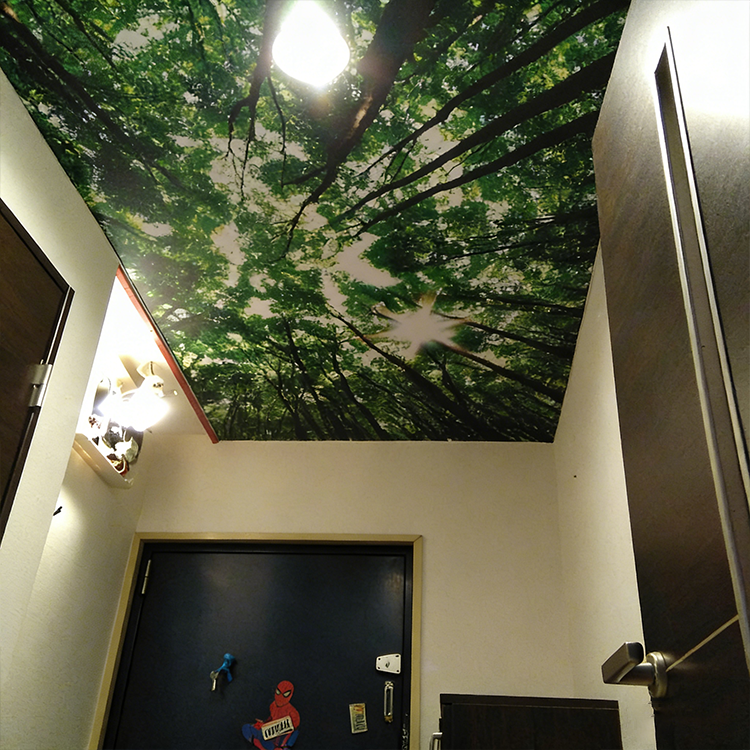
A beautifully installed stretch ceiling film can transform any interior space, delivering a smooth, seamless surface that commands attention. Whether it graces a luxury hotel lobby, a modern office, or a residential living room, this material's visual appeal is one of its most celebrated qualities. However, sustaining that pristine appearance over decades requires more than just the initial installation. It demands a deliberate, informed approach to cleaning, inspection, environmental management, and preventive care that many property owners overlook until visible damage has already set in.
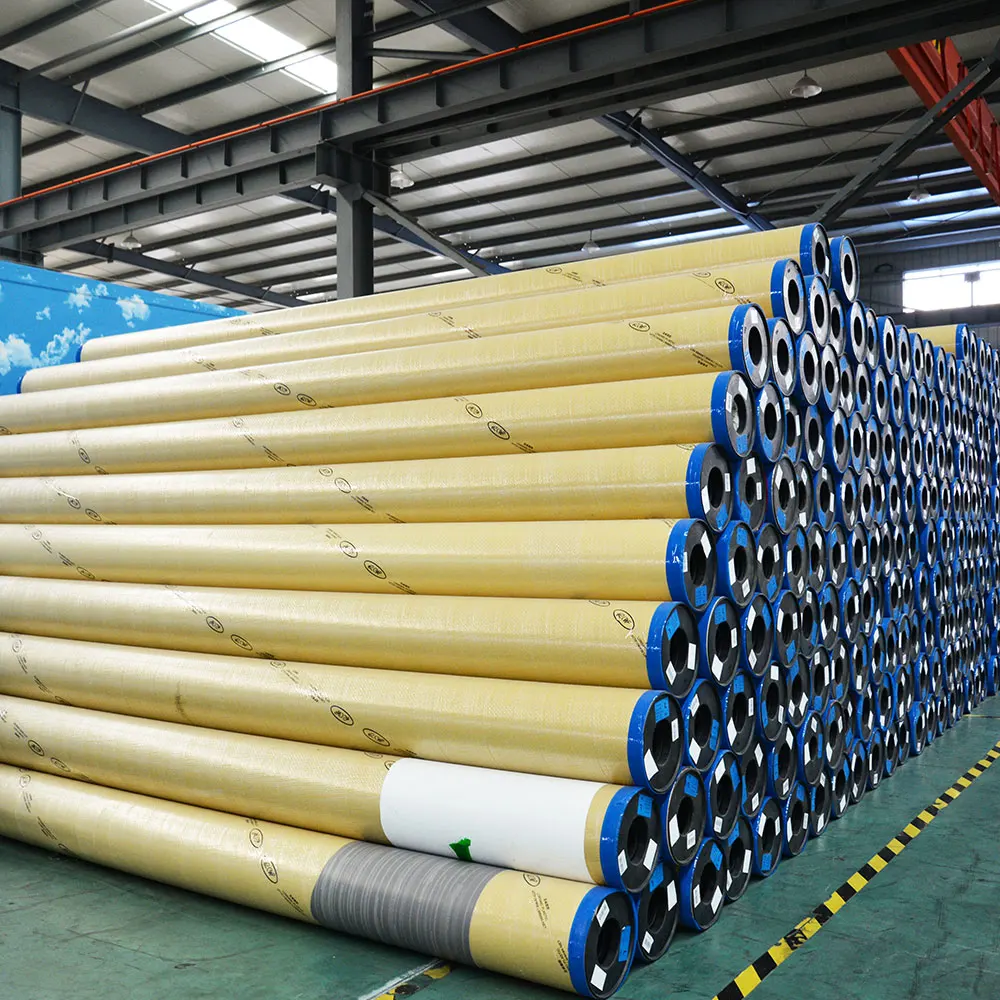
Understanding how to properly maintain stretch ceiling film is not complicated, but it does require consistency and the right knowledge. The material, typically crafted from high-grade PVC or polyester, is engineered for durability and resilience, yet it is not entirely immune to the effects of time, humidity, UV exposure, and improper handling. This comprehensive guide walks you through every dimension of long-term maintenance, from routine cleaning practices to environmental safeguards, so your ceiling retains its original elegance for years — even decades — to come.
Understanding the Material Properties of Stretch Ceiling Film
The Composition That Defines Its Longevity
Before developing any maintenance strategy, it helps to understand exactly what stretch ceiling film is made of and why those properties matter for long-term care. Most commercial and residential applications use a calendered or cast PVC foil reinforced with polyester fibers, giving the material a combination of tensile strength, flexibility, and surface uniformity. This composition allows the film to resist sagging, hold its tension across wide spans, and maintain a consistent visual finish under normal conditions.
The surface of a quality stretch ceiling film is typically coated with a protective layer that provides resistance to staining, mildew, and minor scratches. However, this coating can degrade over time if exposed to harsh chemicals, abrasive tools, or prolonged UV radiation. Knowing that the outer coating is your first line of defense helps explain why every cleaning and maintenance decision should prioritize preserving it rather than simply cleaning the surface itself.
High-quality stretch ceiling film is designed with built-in waterproofing properties, meaning it can withstand moisture accumulation without developing the mold or warping issues common to traditional drywall or plaster ceilings. Nevertheless, chronic moisture exposure combined with poor ventilation can still compromise the harpoon system that holds the film in tension, indirectly affecting how the surface looks over time.
Finish Types and Their Specific Care Needs
Stretch ceiling film comes in a wide variety of finishes including matte, gloss, satin, lacquered, metallic, translucent, and printed options. Each finish has slightly different surface characteristics that influence how it should be maintained. A gloss or lacquered surface, for example, is highly reflective and will show fingerprints, dust streaks, and watermarks far more readily than a matte surface would. This means gloss finishes demand more frequent light cleaning to preserve their visual integrity.
Matte and satin finishes are generally more forgiving in daily environments, as their lower reflectivity masks minor surface blemishes. However, they can absorb grease particles over time in kitchen environments if not wiped down regularly. Printed and photographic stretch ceiling film panels require the gentlest treatment of all, as aggressive cleaning agents can bleach or distort the printed image layer embedded beneath the protective coat.
Metallic finishes demand special attention because their surface coating is sensitive to alkaline cleaners that can dull the metallic sheen irreversibly. Always verify which finish type your stretch ceiling film features before selecting any cleaning product, and when in doubt, test on a small inconspicuous area first. This simple habit alone can prevent costly mistakes that would otherwise require full or partial panel replacement.
Routine Cleaning Practices That Protect the Surface
Dusting and Light Surface Maintenance
The most effective long-term maintenance strategy for stretch ceiling film is consistency in routine cleaning, starting with regular dusting. Dust and airborne particles settle on ceiling surfaces just as they do on furniture, and over time they bond with the surface coating under the influence of humidity and static electricity. Using a soft microfiber duster with an extendable handle is the safest and most effective way to remove surface dust without scratching or pressing unnecessarily against the film.
It is important to use gentle, sweeping motions rather than pressing the duster into the surface. Stretch ceiling film is designed to be taut, but applying localized pressure repeatedly in the same spot can gradually stress the material or distort its tension, especially in warmer climates where the film is slightly more pliable. A light touch removes dust effectively without introducing unnecessary mechanical stress on the film's surface or mounting system.
In commercial environments such as restaurants, hotels, or gyms, where particulate and grease accumulation is faster, monthly dusting is a reasonable minimum standard. In residential spaces with good air filtration, quarterly dusting may be sufficient. The key is not allowing surface deposits to build up to the point where more aggressive cleaning becomes necessary, as that is when the risk of surface damage increases significantly.
Wet Cleaning Without Damaging the Film
When dusting alone is not sufficient and the stretch ceiling film requires wet cleaning, the process must be handled carefully to avoid moisture seeping behind the film or leaving streaks that detract from its appearance. Use a soft, lint-free cloth or a non-abrasive sponge slightly dampened with lukewarm water. Wring it out thoroughly so it is barely moist rather than wet, and apply gentle circular motions across the surface without scrubbing.
For stubborn marks or greasy deposits, a mild solution of pH-neutral liquid soap diluted in water is generally safe for most types of stretch ceiling film. Avoid any cleaners that contain ammonia, bleach, solvents, or acidic compounds, as these can react chemically with the PVC coating and cause discoloration, haziness, or surface brittleness. Even products that are considered general-purpose household cleaners may contain ingredients that are harmful to PVC-based ceiling materials.
After wet cleaning, always dry the surface gently with a separate dry, soft cloth to remove any residual moisture. Allowing water to air-dry on the surface of a gloss or lacquered stretch ceiling film can leave mineral deposits or watermarks, particularly in areas with hard water. This final drying step takes only a few seconds per section but significantly reduces the chance of streaking that would otherwise require a follow-up cleaning cycle.
Environmental Factors That Affect Long-Term Appearance
Temperature and Humidity Management
The long-term visual integrity of stretch ceiling film is closely tied to the ambient conditions within the installation space. PVC-based materials are thermoplastic in nature, meaning they respond to temperature fluctuations by expanding and contracting slightly. In most well-designed installations, this movement is accommodated by the tension and mounting system. However, consistently extreme temperatures — either too hot or too cold — can accelerate aging and cause the surface to lose its original tautness or develop slight waviness over time.
Maintaining a stable indoor temperature between 15°C and 40°C is generally the acceptable operating range for most stretch ceiling film products. In spaces with underfloor heating, radiant ceiling heaters, or direct exposure to industrial heat sources, the ceiling temperature should be monitored to avoid sustained thermal stress. Similarly, in spaces that are left unheated during cold seasons, the film may become less flexible and more susceptible to cracking if disturbed during that period.
Humidity control is equally critical. Spaces with chronically high humidity — such as swimming pool areas, saunas, or poorly ventilated bathrooms — place additional demands on the installation. Even though stretch ceiling film itself is inherently waterproof, prolonged condensation behind the film or around the mounting profiles can cause the harpoon border to loosen over time, which indirectly affects the visual flatness and tension of the surface. Using appropriate ventilation and dehumidification systems in such environments significantly extends the life and appearance of the ceiling.
UV Exposure and Lighting Considerations
Prolonged exposure to ultraviolet radiation is one of the most insidious causes of visual degradation in stretch ceiling film. UV light causes the PVC compound to undergo photodegradation, which manifests as yellowing, fading, or a chalky surface texture over many years. In spaces with large skylights, extensive sun-facing windows, or open-plan designs with significant solar gain, the ceiling receives far more UV exposure than in typical interior environments, making UV protection a serious consideration.
Most high-specification stretch ceiling film products include UV stabilizers in their formulation to slow down this degradation process. However, even stabilized films benefit from supplementary protection such as UV-filtering window films, solar control glazing, or strategic use of blinds during peak sunlight hours. These simple architectural interventions can dramatically extend the period before any color shift or surface change becomes visible.
Integrated lighting systems, particularly LED fixtures embedded within or above translucent stretch ceiling film, should also be managed carefully. LEDs emit minimal UV and thermal radiation compared to older lighting technologies, making them the preferred choice for ceiling backlighting. If older halogen or fluorescent fixtures are still in use, upgrading to LED not only improves energy efficiency but also significantly reduces the heat and UV load on the film surface, contributing directly to its long-term appearance.
Preventing Physical Damage and Addressing Minor Issues
Avoiding Mechanical Damage During Routine Activities
Physical impact is one of the most immediate threats to the pristine look of stretch ceiling film. Although the material is more resilient than it might appear, sharp objects, concentrated impacts, or forced contact can puncture, tear, or permanently deform the surface. In spaces where ladders are frequently used for maintenance tasks — such as commercial kitchens, retail stores, or hotel ballrooms — establishing clear protocols for working near the ceiling is essential to avoiding accidental damage.
When installing or servicing fixtures such as spotlights, smoke detectors, or air conditioning vents within the stretch ceiling film, always use the dedicated fittings and rosettes designed for this purpose. These components are engineered to create sealed, clean openings without stressing the surrounding film. Improvised modifications using standard drywall tools or non-compatible fixtures can create micro-tears that expand over time and compromise both the aesthetic and structural integrity of the installation.
Furniture placement also deserves consideration in rooms with low headroom or suspended light fittings that interact with the stretch ceiling film area. Tall furniture moved carelessly can brush or scratch the surface near wall junctions, especially during renovations or redecorating. Training staff or informing residents about these potential risks is a low-cost preventive measure that avoids damage that would otherwise require professional repair.
Identifying and Resolving Minor Surface Imperfections
Over time, minor imperfections can appear on stretch ceiling film even in well-maintained environments. The most common issues include small tension variations caused by temperature cycling, minor surface scuffs from inadvertent contact, and watermark buildup from condensation events. Most of these issues are addressable without requiring full panel replacement if caught early and handled correctly.
Surface scuffs on gloss or lacquered stretch ceiling film can sometimes be minimized using a very small amount of specialist PVC polish applied with a soft microfiber cloth. This should only be attempted after consulting with the film manufacturer or installer, as using incompatible polish formulations can make the problem worse. For tension irregularities caused by temperature stress, a licensed installer can often re-tension the film by carefully re-engaging the harpoon border without replacing the material.
Persistent watermarks that do not respond to gentle cleaning with pH-neutral solution may indicate that mineral deposits have bonded with the surface coating. In these cases, a dilute solution of distilled white vinegar — highly diluted and tested in an inconspicuous area first — is sometimes effective without harming the stretch ceiling film. However, professional guidance is always the safest approach when dealing with stubborn surface issues that routine cleaning has not resolved.
Long-Term Inspection and Professional Maintenance Cycles
Establishing a Scheduled Inspection Routine
Beyond daily and monthly cleaning, the long-term preservation of stretch ceiling film benefits enormously from a scheduled inspection routine conducted at least once a year. This inspection should assess the tension uniformity of the film, the condition of the harpoon profiles and wall mounting system, the integrity of any fixture openings, and the overall color consistency of the surface. Catching minor issues during an annual inspection prevents them from becoming major problems that require expensive intervention.
During inspections of stretch ceiling film in commercial or high-use environments, particular attention should be paid to areas near air conditioning vents, cooking equipment, or concentrated foot traffic zones where grease, moisture, and particulate matter accumulate faster. These are the first areas where visible aging tends to appear, and proactive treatment of these zones can significantly delay any need for panel replacement in the broader ceiling area.
Document the findings of each inspection with photographs taken under consistent lighting conditions. This creates a visual record that makes it easy to track any gradual changes in the appearance of the stretch ceiling film over years. Early detection of yellowing, tension changes, or harpoon loosening is only possible if you have a baseline reference to compare against, and photographs provide exactly that.
When to Call a Professional for Maintenance
Certain maintenance tasks should never be attempted without professional involvement. Re-tensioning a loosened stretch ceiling film panel, repairing a puncture, replacing a section due to irreversible discoloration, or modifying the mounting profile to accommodate architectural changes all require the specialized heat tools, material expertise, and installation experience that only trained technicians possess. Attempting these tasks without proper knowledge can cause the film to tear, lose tension asymmetrically, or develop permanent creases that are not repairable.
Professional maintenance services for stretch ceiling film are available from most certified installation contractors and are typically far less costly than full panel replacement. Many contractors offer annual maintenance contracts that include inspection, minor tension adjustments, and surface treatment at a predictable annual cost. For commercial properties managing multiple rooms or large ceiling areas, these contracts represent a sound investment that protects a significant capital asset.
Selecting a qualified professional who has specific experience with the brand and type of stretch ceiling film installed in your space is important. The material properties, harpoon system design, and surface finish specifications vary between product lines, and a technician familiar with your specific material will provide more accurate diagnosis and more effective treatment than a generalist working without that contextual knowledge.
FAQ
How often should I clean my stretch ceiling film to keep it looking new?
For most residential environments, light dusting every one to three months and wet cleaning once or twice a year is sufficient to maintain the appearance of your stretch ceiling film. In commercial spaces such as restaurants, hotels, or gyms, more frequent cleaning — monthly or even bi-weekly — is advisable due to higher levels of grease, humidity, and airborne particulates. Consistency is more important than frequency; regular light maintenance prevents the buildup that necessitates aggressive cleaning.
Can I use standard household cleaning sprays on stretch ceiling film?
Most standard household cleaning sprays are not suitable for use on stretch ceiling film because they often contain ammonia, bleach, solvents, or alkaline compounds that can damage the PVC surface coating. Always use a pH-neutral, solvent-free cleaning solution diluted in lukewarm water. When uncertain about a product's compatibility, test it on a small, inconspicuous area first and monitor for any discoloration, haziness, or texture change before applying it more broadly.
What should I do if my stretch ceiling film develops a small puncture or tear?
Small punctures or tears in stretch ceiling film should be addressed by a professional installer as quickly as possible, as tension in the film can cause even minor damage to propagate into larger tears over time. In many cases, small punctures can be repaired using specialist patch kits without requiring full panel replacement, provided the repair is made promptly and the surrounding material has not been significantly stressed. Avoid attempting DIY repairs with standard adhesive tapes, as these are rarely strong enough and may cause additional surface damage.
Does stretch ceiling film lose its appearance faster in rooms with high humidity?
High-humidity environments can accelerate certain forms of degradation in stretch ceiling film installations, particularly around the mounting profiles and harpoon borders where moisture can accumulate. The film surface itself is waterproof and inherently resistant to mold and mildew, but sustained condensation and poor ventilation can stress the installation system over time, causing tension irregularities that affect the visual flatness of the ceiling. Installing proper ventilation and using a dehumidifier in chronically humid spaces significantly mitigates these risks and extends the pristine appearance of the ceiling.
Table of Contents
- Understanding the Material Properties of Stretch Ceiling Film
- Routine Cleaning Practices That Protect the Surface
- Environmental Factors That Affect Long-Term Appearance
- Preventing Physical Damage and Addressing Minor Issues
- Long-Term Inspection and Professional Maintenance Cycles
-
FAQ
- How often should I clean my stretch ceiling film to keep it looking new?
- Can I use standard household cleaning sprays on stretch ceiling film?
- What should I do if my stretch ceiling film develops a small puncture or tear?
- Does stretch ceiling film lose its appearance faster in rooms with high humidity?