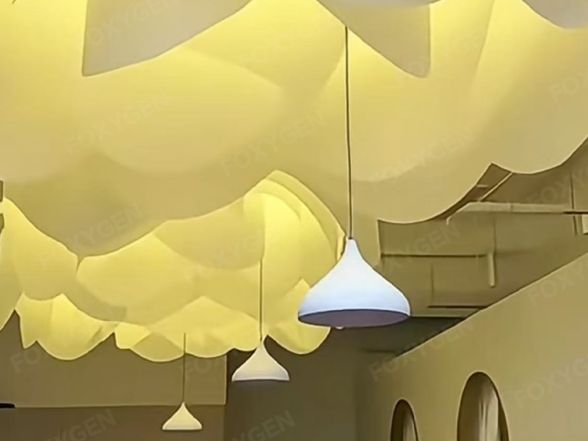
Premium LED Modules: Advanced Lighting Solutions with Smart Control Technology

Get a Free Quote

Our representative will contact you soon.
Email
Name
Company Name
Message
0/1000

led module

The LED module represents a revolutionary advancement in lighting technology, offering an integrated solution that combines multiple light-emitting diodes into a single, efficient unit. This sophisticated lighting component serves as the foundation for modern illumination systems across residential, commercial, and industrial applications. An LED module typically consists of several key components including the LED chips themselves, a printed circuit board substrate, thermal management systems, optical lenses, and protective housings that work together to deliver consistent, high-quality light output. The primary function of an LED module involves converting electrical energy into visible light through semiconductor technology, achieving remarkable efficiency levels that far surpass traditional incandescent and fluorescent alternatives. These modules incorporate advanced driver circuits that regulate current flow and voltage levels, ensuring optimal performance while protecting the sensitive LED components from electrical fluctuations. The technological features of modern LED modules include dimming capabilities, color temperature control, and intelligent connectivity options that enable seamless integration with smart building systems. Heat dissipation technology plays a crucial role in LED module design, utilizing aluminum substrates and thermal interface materials to maintain operating temperatures within safe parameters. This thermal management directly impacts the longevity and performance consistency of the LED module throughout its operational lifespan. Applications for LED modules span across diverse industries including architectural lighting, automotive systems, display technologies, street lighting infrastructure, and specialty applications such as horticultural lighting and medical equipment. The modular design allows for easy installation, maintenance, and replacement, making LED modules particularly attractive for large-scale lighting projects where downtime must be minimized. Manufacturing processes for LED modules have evolved to incorporate precision assembly techniques and rigorous quality control measures that ensure consistent color rendering, luminous output, and electrical characteristics across production batches.

New Product Releases

LED modules deliver exceptional energy efficiency that translates directly into reduced electricity costs and environmental benefits for users across all applications. These innovative lighting solutions consume significantly less power compared to traditional lighting technologies while producing equivalent or superior light output, resulting in energy savings of up to eighty percent in many installations. The extended operational lifespan of LED modules provides substantial cost advantages through reduced maintenance requirements and replacement frequency, with typical service lives exceeding fifty thousand hours under normal operating conditions. This longevity eliminates the frequent bulb changes associated with conventional lighting systems, reducing labor costs and minimizing disruption to daily operations in commercial and industrial settings. LED modules offer superior light quality through precise color rendering capabilities and consistent color temperature control, creating more comfortable and productive environments for occupants. The instant-on capability of LED modules eliminates warm-up periods entirely, providing full brightness immediately upon activation, which proves particularly valuable in security applications and areas requiring immediate illumination. Durability represents another significant advantage, as LED modules withstand vibration, shock, and temperature fluctuations better than fragile incandescent or fluorescent alternatives, making them ideal for harsh environmental conditions and mobile applications. The compact form factor of LED modules enables creative lighting design possibilities that were previously impossible with bulkier traditional fixtures, allowing architects and designers greater flexibility in creating innovative illumination schemes. Environmental benefits extend beyond energy efficiency to include the absence of harmful substances such as mercury, making LED modules safer for both users and disposal processes. The low heat emission characteristics of LED modules reduce cooling loads in air-conditioned spaces, providing additional energy savings and improved comfort levels. Dimming capabilities built into many LED modules allow users to adjust light levels precisely to match specific tasks or ambiance requirements, further optimizing energy consumption and user satisfaction. The rapid payback period for LED module investments, typically ranging from two to five years depending on usage patterns, makes them financially attractive for both residential and commercial applications, with continuing savings throughout their extended operational life.

Latest News

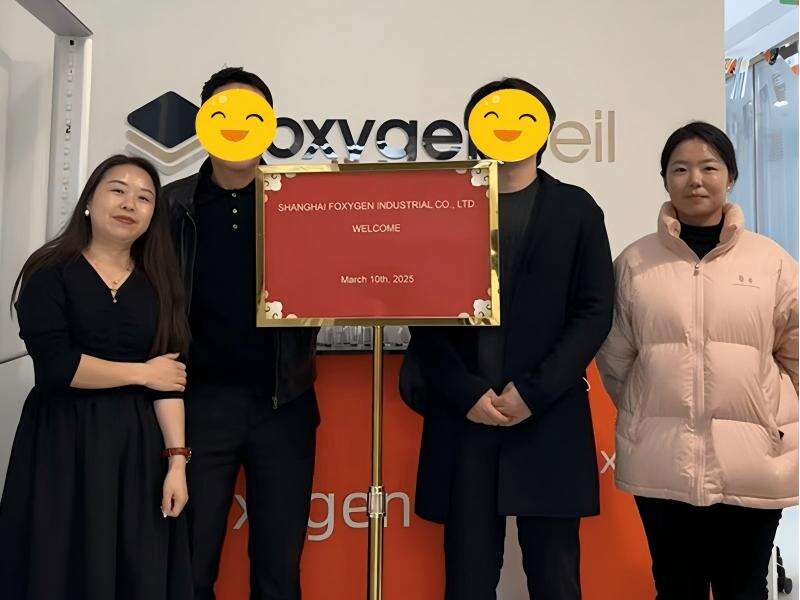
Korean Clients Visit FOXYEGN in Shanghai on March 10th

18

Sep

Korean Clients Visit FOXYEGN in Shanghai on March 10th

View More
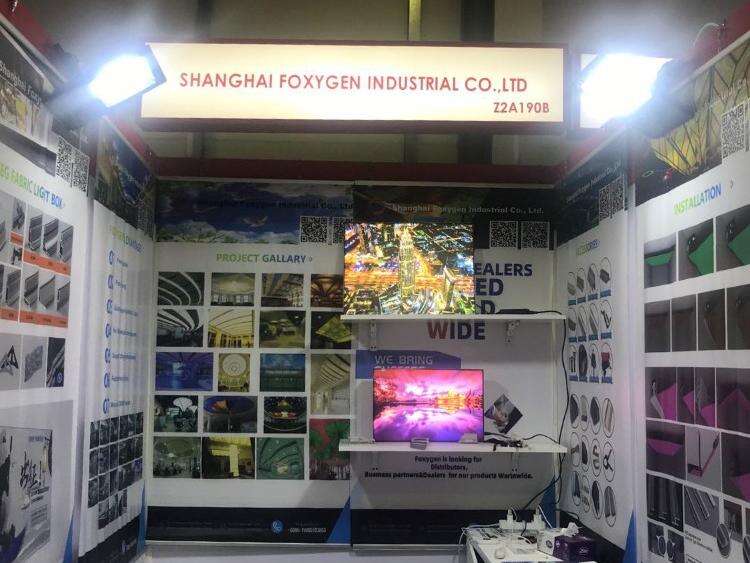
FOXYGEN Participated in 2019 Autumn Canton Fair in Guangzhou, China

18

Sep

FOXYGEN Participated in 2019 Autumn Canton Fair in Guangzhou, China

View More
FOXYGEN Launches Velvet Film Ceiling

26

Aug

FOXYGEN Launches Velvet Film Ceiling

View More
FOXYGEN Launches French Textured Drop Ceiling

26

Aug

FOXYGEN Launches French Textured Drop Ceiling

View More

Get a Free Quote

Our representative will contact you soon.
Email
Name
Company Name
Message
0/1000

led module

Advanced Thermal Management Technology

Advanced Thermal Management Technology

The thermal management system within LED modules represents a critical technological breakthrough that directly impacts performance, reliability, and lifespan of the entire lighting system. Modern LED modules incorporate sophisticated heat dissipation technologies including aluminum-core printed circuit boards, thermal interface materials, and advanced heat sink designs that efficiently transfer heat away from the LED junction points. This thermal management approach prevents the performance degradation and premature failure that occurs when LED components operate at excessive temperatures. The aluminum substrate used in high-quality LED modules provides excellent thermal conductivity, creating an efficient pathway for heat transfer from the LED chips to the external environment. Thermal interface materials, such as specialized compounds and pads, ensure optimal heat transfer between different components while maintaining electrical isolation where necessary. The design of heat sinks integrated into LED modules utilizes principles of convective and conductive heat transfer to maximize cooling efficiency within compact form factors. Advanced LED modules employ thermal monitoring systems that can adjust operating parameters in real-time to maintain optimal junction temperatures, thereby preserving light output quality and extending operational life. The importance of effective thermal management becomes evident when considering that LED efficiency and color stability are directly temperature-dependent, with cooler operating temperatures resulting in higher light output and more consistent color characteristics. Proper thermal design also prevents the lumen depreciation that affects LED performance over time, ensuring that light levels remain consistent throughout the module's operational life. For customers, this translates into predictable lighting performance, reduced maintenance costs, and extended replacement intervals that provide significant long-term value. The thermal management technology in LED modules also enables higher power density designs, allowing manufacturers to create more compact fixtures while maintaining excellent performance characteristics and reliability standards.
Intelligent Control and Connectivity Features

Intelligent Control and Connectivity Features

Modern LED modules incorporate advanced control systems and connectivity options that transform simple lighting fixtures into intelligent components of smart building ecosystems. These sophisticated control features include wireless communication protocols such as Zigbee, WiFi, and Bluetooth that enable remote monitoring, programming, and adjustment of lighting parameters from centralized control systems or mobile applications. The intelligent control capabilities of LED modules extend far beyond simple on-off switching to include precise dimming control, color temperature adjustment, and automated scheduling based on occupancy sensors, daylight harvesting, and user preferences. Advanced LED modules can communicate with building management systems to optimize energy consumption based on real-time occupancy data and environmental conditions, creating significant energy savings and improved user comfort. The integration of sensors directly into LED modules enables features such as motion detection, ambient light sensing, and even air quality monitoring, transforming lighting fixtures into multi-functional smart devices that contribute valuable data to building automation systems. Programmable control features allow users to create custom lighting scenes and schedules that automatically adjust throughout the day to support circadian rhythms and task-specific requirements. The connectivity features of intelligent LED modules enable predictive maintenance capabilities through continuous monitoring of operational parameters such as temperature, current draw, and light output, allowing facility managers to identify potential issues before they result in failures. For commercial customers, these intelligent features translate into reduced energy costs through optimized operation, improved occupant satisfaction through personalized lighting control, and lower maintenance costs through predictive maintenance capabilities. The ability to integrate LED modules into existing building automation systems provides a pathway for upgrading lighting infrastructure without requiring complete system replacements. Remote diagnostic capabilities enable troubleshooting and performance optimization without physical access to individual fixtures, reducing service calls and minimizing disruption to building operations.
Exceptional Durability and Environmental Resistance

Exceptional Durability and Environmental Resistance

LED modules demonstrate remarkable durability and environmental resistance characteristics that make them suitable for demanding applications across diverse industries and challenging operating conditions. The solid-state construction of LED modules eliminates fragile components such as filaments and glass envelopes that are vulnerable to shock, vibration, and thermal cycling, resulting in lighting solutions that maintain consistent performance even in harsh industrial environments. Advanced LED modules undergo rigorous environmental testing including temperature cycling, humidity exposure, salt spray testing, and UV radiation exposure to ensure reliable operation across wide temperature ranges and various atmospheric conditions. The encapsulation materials used in LED modules provide excellent protection against moisture ingress, dust contamination, and chemical exposure, enabling deployment in outdoor applications, food processing facilities, and corrosive environments where traditional lighting solutions would fail prematurely. Impact resistance testing demonstrates that LED modules can withstand significant mechanical stress without performance degradation, making them ideal for applications in transportation, construction equipment, and high-traffic areas where accidental damage is likely. The operational temperature range of quality LED modules typically extends from negative forty to positive eighty degrees Celsius, accommodating applications in both refrigerated environments and high-heat industrial processes without requiring special climate control measures. Vibration resistance capabilities allow LED modules to function reliably in mobile applications such as automotive lighting, marine vessels, and heavy machinery where constant movement and mechanical stress would quickly destroy conventional lighting systems. The corrosion-resistant materials and protective coatings used in LED module construction ensure long-term performance in coastal environments, chemical processing facilities, and other locations where salt air, humidity, and chemical vapors create challenging operating conditions. For customers, this exceptional durability translates into reduced replacement costs, minimal maintenance requirements, and reliable lighting performance even in the most demanding applications. The environmental resistance of LED modules also enables installation in locations that were previously unsuitable for electronic lighting systems, expanding the possibilities for efficient illumination in challenging environments while maintaining the energy efficiency and control benefits of LED technology.

Premium LED Modules: Advanced Lighting Solutions with Smart Control Technology

Get a Free Quote

Our representative will contact you soon.
Email
Name
Company Name
Message
0/1000