
 EN



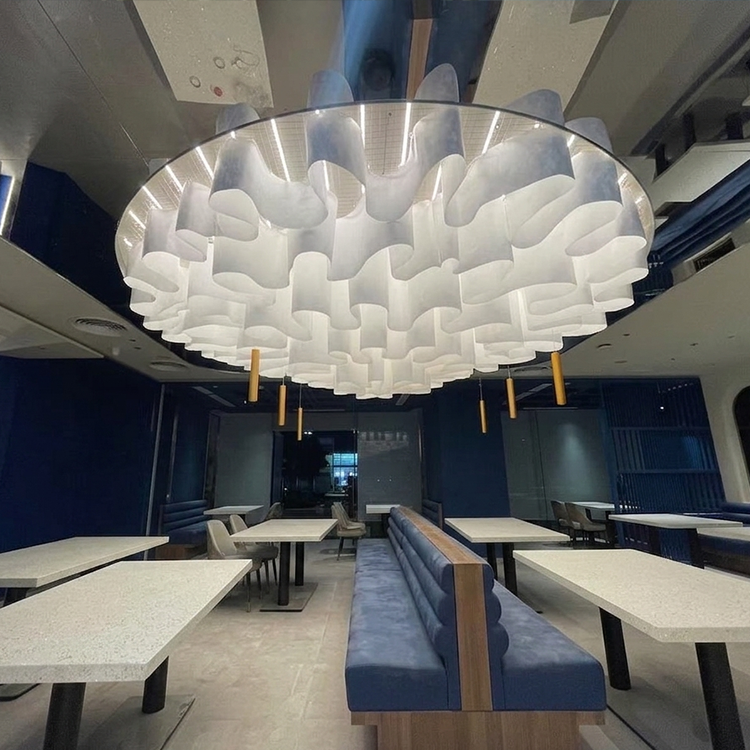
Buying a stretch ceiling for a commercial project involves more than choosing a finish or negotiating a unit price. Material compatibility, profile selection, site conditions, and delivery planning all affect whether the specified stretch ceiling can be installed as intended. For B2B clients, a rushed decision can create rework, schedule pressure, and avoidable procurement questions.
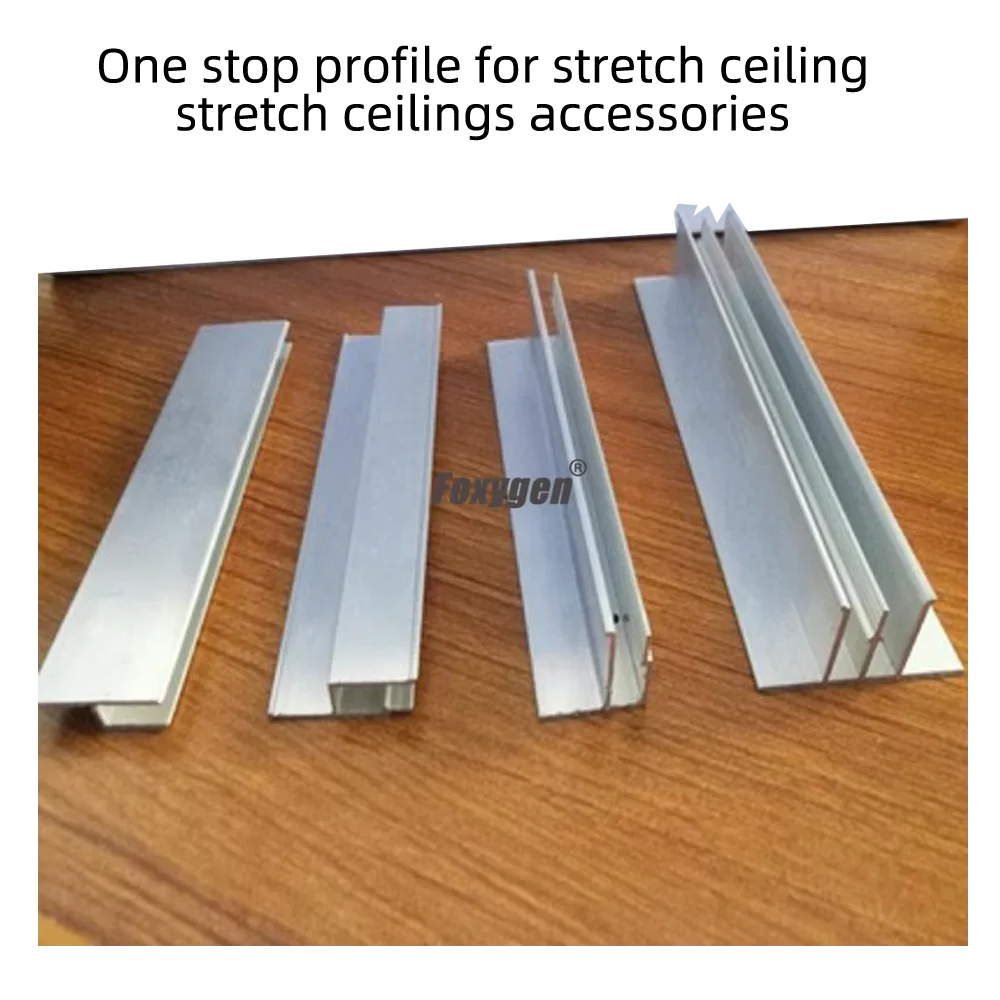
The five common buying mistakes below show where project teams should slow down and verify details before placing an order. Treat the stretch ceiling as a coordinated system, not a standalone sheet of film: the specification, perimeter profile, installation method, and project requirements must work together. This approach helps purchasing teams compare offers on relevant criteria.
Specification mistakes that create fit problems
Mistake one: choosing film by appearance alone
A finish sample can communicate color and surface character, but it does not define every technical requirement. When buying a stretch ceiling, confirm the film type, dimensions, finish, and any project-specific documentation needed for the intended space. A stretch ceiling selected only from a small visual sample may not match the required specification or the expectations of the design team.
Share the project brief with the seller before confirming quantities. Include room use, ceiling layout, lighting interfaces, and any relevant building requirements. For a stretch ceiling, ask which product details are documented and which depend on installation conditions. This makes it easier to identify assumptions early, rather than discovering that the specified stretch ceiling differs from the material supplied.
Mistake two: treating profiles as interchangeable
The perimeter profile is part of the installation system, not a minor accessory. Different layouts and fixing conditions may call for different profile forms, materials, or connection details. Before ordering a stretch ceiling, check that the proposed profile suits the substrate, edge condition, and design. A compatible stretch ceiling film and profile combination supports a more predictable installation workflow.
Request clear drawings or product information showing how the film engages with the profile and how the profile attaches to the building. Confirm corner treatment, transitions, and any required joints with the project team. A stretch ceiling package should be reviewed as a coordinated assembly, especially where the ceiling meets lighting, services, or adjacent finishes. Do not assume a familiar profile name guarantees compatibility.
Planning mistakes that disrupt installation
Mistake three: ordering before site conditions are confirmed
Measurements taken too early can become unreliable when walls, services, or ceiling details change during construction. Before finalizing a stretch ceiling order, agree who will verify dimensions and at what project stage. Record the measurement basis and confirm how openings, corners, and irregular areas will be handled. This reduces the risk of ordering a stretch ceiling from outdated plans.
Coordinate the ceiling package with the installation sequence. The team should know when the substrate is ready, which trades must finish first, and whether access will remain available. For a stretch ceiling, confirm site conditions that may affect handling and fitting with the responsible installer. A short pre-installation review can expose unresolved details while there is still time to clarify scope or revise quantities.
Mistake four: overlooking logistics and project timing
A technically suitable stretch ceiling can still cause trouble if delivery timing, packaging, or receiving arrangements do not match the site plan. Confirm the expected dispatch and arrival windows, who will receive the goods, and how the materials should be stored before installation. Ask whether the order includes the profiles and other agreed components, so the stretch ceiling package arrives in a usable, coordinated form.
Build realistic time for approvals, production, transport, inspection, and installation into the project schedule. Verify the order details against the approved specification before release, then check delivered items on arrival. If the stretch ceiling is for a phased project, clarify how separate deliveries will be identified and matched to each area. Clear logistics planning helps reduce idle labor and last-minute substitutions.
Procurement mistakes that weaken project control
Mistake five: comparing prices without comparing scope
A lower quoted price may reflect a different film specification, incomplete accessories, or assumptions about what the buyer will provide. Compare each stretch ceiling offer against the same written scope, including quantities, dimensions, profile type, packaging, documentation, and delivery terms. If one stretch ceiling proposal leaves an item unclear, request clarification before evaluating the commercial difference.
Ask for exceptions to be stated explicitly rather than relying on informal assurances. Check whether the quote covers the full project area, any agreed samples, and the components needed for the selected installation arrangement. Procurement teams can then distinguish a true price difference from a scope gap. This makes stretch ceiling purchasing more transparent for estimators, project managers, and finance reviewers.
Use documented checks before releasing the order
Create a concise approval record containing the final product description, approved sample or finish reference, profile details, measured quantities, and delivery plan. For the stretch ceiling, name the person responsible for confirming each item and keep the latest revision accessible to purchasing and site teams. When a detail changes, update the record so production and installation are working from the same information.
Before payment or order release, reconcile the quotation, technical information, drawings, and purchase order. Resolve differences in terminology, units, or exclusions rather than assuming they are harmless. A short review of the stretch ceiling system details can help buyers confirm that the selected profile and film fit the agreed scope. Keep a record for receiving and installation checks.
FAQ
What should B2B buyers confirm first?
Start with intended use, required finish, dimensions, and project documentation. Then confirm that the stretch ceiling film and profile are compatible with the design and installation conditions. Getting these basics aligned helps the team evaluate quotations against a consistent scope.
When should final measurements be taken?
Set the measurement point with the installer and project manager, based on construction progress and the condition of the perimeter. Confirm whether drawings or verified site measurements control the order. For a stretch ceiling, documenting that decision helps avoid quantity and fit disputes.
How can buyers compare quotations fairly?
Use one written specification and compare included materials, profile details, quantities, delivery terms, and exclusions. Ask bidders to identify deviations clearly. A stretch ceiling quote is easier to assess when commercial terms and technical scope are reviewed together.