
 EN
EN



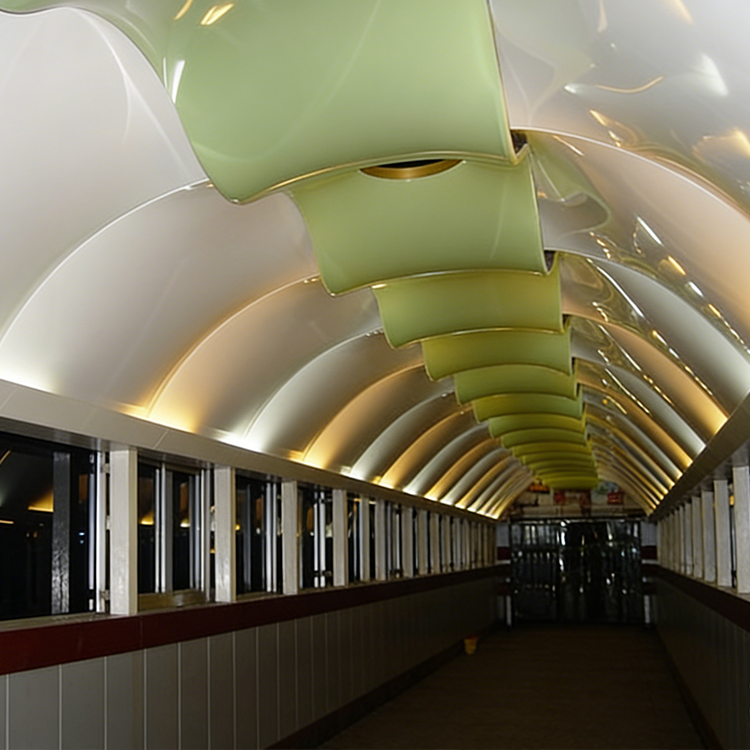
When stepping into a high-end spa, every sensory detail is deliberately chosen to create an atmosphere of calm, luxury, and refinement. From the ambient lighting to the texture of the walls, nothing is left to chance. One design element that increasingly defines elite spa interiors is the satin-finish stretch ceiling, a modern ceiling solution that has quietly overtaken traditional painted drywall in premium wellness environments around the world. The reasons behind this shift are both aesthetic and deeply practical, rooted in real-world performance rather than passing design trends.
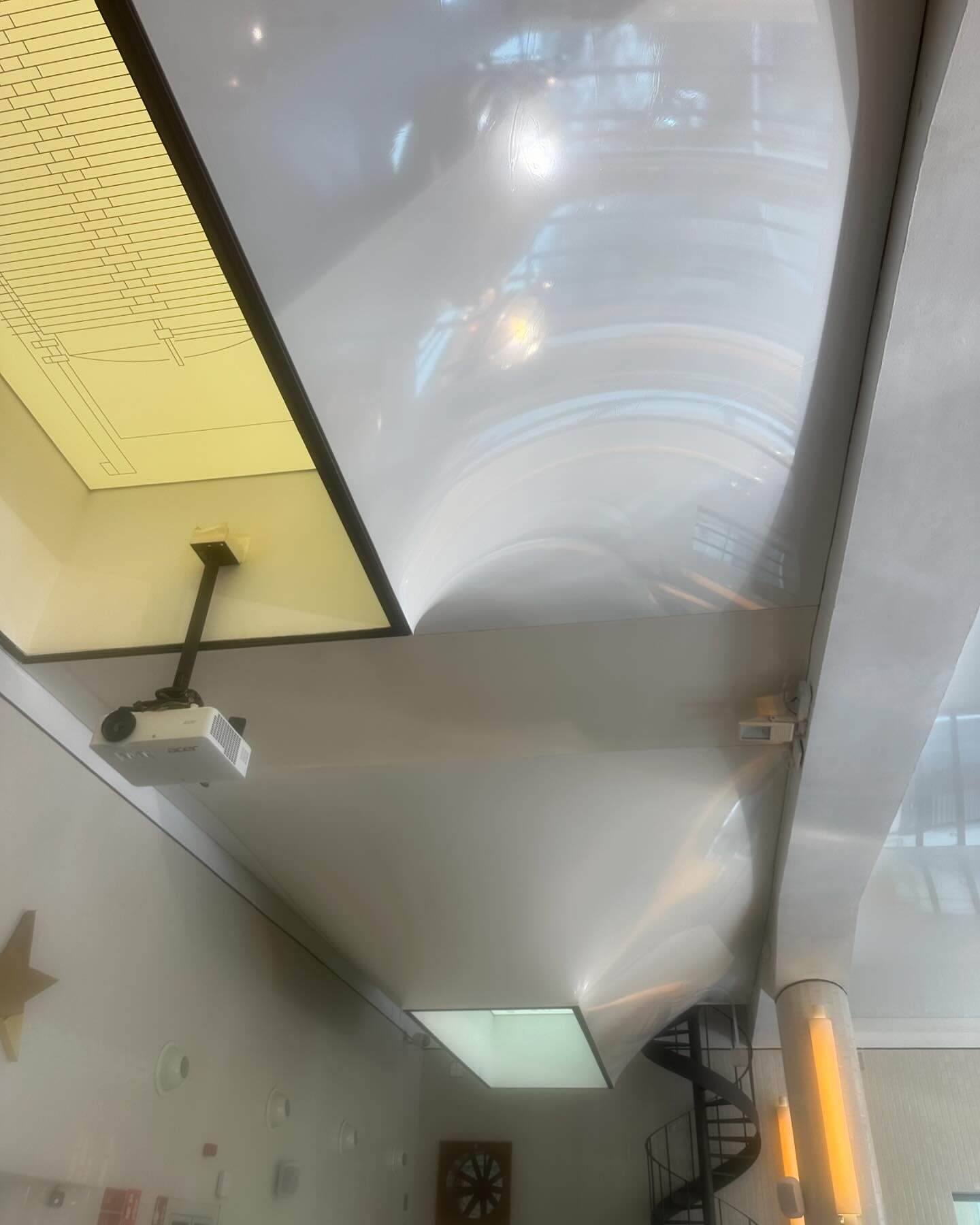
Painted drywall has been the default ceiling choice for decades simply because it is familiar and inexpensive. However, the demands of luxury spa environments expose its limitations almost immediately. Moisture, uneven lighting diffusion, and the high maintenance cycle of repainting make drywall a poor long-term investment for facilities that depend on immaculate presentation. The satin-finish stretch ceiling, by contrast, was engineered for exactly the kind of environment a premium spa represents — one where beauty, hygiene, durability, and atmospheric precision all matter equally.
The Aesthetic Case: What Satin Finish Delivers That Drywall Cannot
Surface Quality and Visual Softness
A satin-finish stretch ceiling produces a surface that is simultaneously smooth and softly luminous, neither fully matte nor reflective. This particular finish captures and gently diffuses light across its surface in a way that creates a sense of warmth and depth. In a spa setting, this translates to a ceiling that feels calm and enveloping rather than clinical or flat. Painted drywall, even when executed by skilled craftsmen, cannot replicate this quality because the substrate itself lacks the membrane tension and material consistency that defines stretch ceiling film.
The visual softness of a satin-finish stretch ceiling also plays a crucial role in how guests perceive the room's proportions. High-end spas often work with treatment rooms, relaxation lounges, and hydrotherapy areas that have complex or irregular ceiling structures. The stretch ceiling membrane conforms flawlessly to these shapes, producing clean and continuous surfaces that drywall joints, seams, and patchwork simply cannot match. Every imperfection that exists in a drywall ceiling becomes visible under the carefully engineered lighting of a luxury spa, whereas the satin-finish stretch ceiling maintains its seamless elegance regardless of the architectural complexity beneath it.
Lighting Integration and Atmosphere Engineering
Luxury spas invest heavily in lighting design because illumination is one of the most powerful tools for shaping emotional experience. The satin-finish stretch ceiling works in direct harmony with these lighting strategies. Its semi-translucent and light-diffusing properties allow backlit ceiling panels to create a soft, even glow that mimics natural daylight or creates an otherworldly luminous effect. This is simply not achievable with painted drywall, which blocks light and produces harsh shadows around recessed fixtures.
Interior designers working in the wellness sector frequently specify the satin-finish stretch ceiling precisely because it gives them control over how light behaves in a space. Whether the client wants a warm amber twilight effect in a sauna area or a cool, cloud-like diffusion in a flotation room, the stretch ceiling membrane responds to backlighting with a consistency that drywall cannot provide. This ability to become an active part of the lighting architecture rather than a passive background surface is a defining reason why luxury spas continue to choose satin-finish stretch ceiling installations.
Functional Superiority in High-Humidity Spa Environments
Moisture and Humidity Resistance
Spas are environments defined by water — steam rooms, wet treatment tables, indoor pools, hydrotherapy baths, and heated relaxation areas all produce significant ambient moisture. Painted drywall absorbs moisture over time, leading to swelling, paint peeling, mold growth, and structural deterioration. These issues are not merely aesthetic; they represent real health and safety concerns in a facility built on the promise of cleanliness and wellness. The satin-finish stretch ceiling is manufactured from PVC-based membrane materials that are inherently impermeable to moisture, preventing absorption and the problems it creates.
In steam rooms and wet areas specifically, the performance gap between the satin-finish stretch ceiling and painted drywall becomes impossible to ignore. A drywall ceiling in a steam room may begin showing signs of damage within months of installation, requiring costly repairs and temporary closure of revenue-generating spaces. The stretch ceiling membrane, stretched tightly across its frame and sealed at its perimeter, maintains its appearance and integrity year after year even under constant exposure to high humidity and temperature fluctuations. For spa operators, this durability directly protects their brand reputation and reduces long-term operational costs.
Acoustic Comfort and Sound Management
Sound is another dimension of luxury that spa operators carefully manage. Guests expect a quiet, hushed environment where conversations are private and external noise intrusions are minimized. The satin-finish stretch ceiling, when installed with appropriate backing materials, contributes meaningfully to the acoustic quality of a space. The slight elasticity of the membrane and the air gap between the stretch ceiling and the structural ceiling above can absorb and dampen sound in ways that a hard-surface drywall ceiling cannot.
This acoustic benefit is particularly relevant in multi-room spa facilities where treatment rooms need to maintain sound isolation from hallways, reception areas, and equipment rooms. By incorporating the satin-finish stretch ceiling as part of a broader acoustic ceiling strategy, spa designers can achieve environments that feel genuinely quiet and private without the added cost of extensive acoustic ceiling tile systems that would compromise the visual luxury of the space. The satin finish maintains all its visual elegance while quietly performing an important functional role.
Maintenance, Hygiene, and Long-Term Value
Cleaning and Sanitation Standards
In any healthcare-adjacent environment, including upscale spas and wellness centers, hygiene standards are non-negotiable. Painted drywall ceilings present a practical cleaning challenge because the porous paint surface can harbor dust, micro-organisms, and residue from aromatherapy products and steam treatments. Repainting is often the only effective way to restore a painted ceiling to a genuinely clean condition, a process that requires closing the space and causes significant operational disruption.
The satin-finish stretch ceiling offers a smooth, non-porous surface that can be wiped down easily without damaging the finish. This ease of maintenance is a genuine operational advantage for spa managers who are responsible for maintaining impeccable sanitation across every surface in the facility. The membrane does not absorb cleaning agents, does not react negatively to the mild disinfectants commonly used in spa environments, and returns to its original pristine appearance after cleaning. For a luxury brand that depends on the perception of absolute cleanliness, this characteristic alone justifies the investment in satin-finish stretch ceiling over painted drywall.
Lifecycle Cost and Investment Return
Evaluating ceiling choice purely on installation cost is a common mistake that leads to significant long-term expenses. Painted drywall ceilings in spa environments typically require repainting every two to four years due to moisture exposure, staining from essential oils and steam, and the general wear of a high-traffic commercial space. Each repainting cycle involves labor costs, material costs, and the indirect cost of space downtime. When these recurring expenses are calculated over a ten-year period, the total cost of a painted drywall ceiling in a spa setting often exceeds the initial investment in a satin-finish stretch ceiling by a substantial margin.
The satin-finish stretch ceiling, once installed, requires virtually no maintenance interventions for many years. Its material is UV-stabilized, color-stable, and resistant to the yellowing and discoloration that affects painted surfaces over time. Spa owners and facility managers who have made the transition consistently report that the switch reduces their ceiling-related maintenance burden dramatically while simultaneously elevating the quality of the interior environment. This combination of reduced cost and elevated presentation is precisely why the satin-finish stretch ceiling has become the preferred choice in new luxury spa builds and renovations alike.
Design Flexibility and Architectural Freedom
Complex Shapes, Custom Colors, and Unique Finishes
Luxury spa design rarely follows a rectangular box approach. Curved walls, vaulted ceilings, circular treatment pods, and multi-level structures are common architectural features in premium wellness facilities. The satin-finish stretch ceiling is uniquely equipped to handle these complex geometries. The membrane is manufactured to fit custom shapes and can be tensioned across curved or irregular perimeter tracks without losing its signature smooth, taut appearance. Drywall, by contrast, requires complex framing, multiple compound applications, and extensive sanding to approximate curved surfaces — and even then, it rarely achieves the clean, finished quality that a stretch ceiling delivers.
Beyond geometry, the satin-finish stretch ceiling is available in a wide range of color formulations, allowing spa designers to specify a ceiling tone that precisely matches or complements the overall color story of the interior. Whether the design calls for a warm ivory that echoes natural stone, a deep charcoal for a dramatic sensory deprivation room, or a soft blush that reinforces a feminine wellness brand identity, the satin-finish stretch ceiling can be manufactured to meet that specification. This customization capability makes it an invaluable tool for interior designers working to create truly distinctive spa experiences.
Installation Speed and Renovation Flexibility
Renovation is an ongoing reality for any luxury hospitality or wellness business. Guest expectations evolve, brands refresh their identities, and spaces need to be updated to remain competitive. Drywall ceiling renovations are enormously disruptive — they generate dust, debris, and noise, require multiple trade teams, and can close a space for weeks. The satin-finish stretch ceiling can be installed with minimal disruption in a fraction of the time, and if the design needs to be updated in the future, the membrane can be replaced without disturbing the existing track framework.
This renovation flexibility has real strategic value for spa operators who want to refresh their interiors periodically without shutting down their entire facility. The ability to update a satin-finish stretch ceiling quickly and cleanly means that design changes can align with brand campaigns, seasonal repositioning, or the launch of new treatment concepts without triggering the extended downtime associated with drywall renovation work. For a revenue-generating wellness business, the speed and simplicity of stretch ceiling installation represents a tangible competitive advantage.
FAQ
Is a satin-finish stretch ceiling suitable for areas with direct water exposure, such as indoor spa pools?
Yes, the satin-finish stretch ceiling is highly suitable for areas with significant water exposure. Its PVC membrane construction is inherently waterproof and does not absorb moisture, making it an ideal ceiling solution for indoor pools, steam rooms, and wet treatment areas. It resists mold, mildew, and water staining in ways that painted drywall fundamentally cannot.
How does the satin finish differ from a matte or gloss stretch ceiling finish in a spa environment?
The satin finish occupies a precise middle ground between matte and gloss. Matte finishes absorb nearly all light and can appear flat or heavy, while gloss finishes create strong reflections that may feel clinical in a wellness setting. The satin-finish stretch ceiling gently diffuses light with a soft sheen that feels luxurious and warm, making it particularly well-suited to the calm, refined atmosphere that spa environments are designed to create.
Can a satin-finish stretch ceiling be installed over an existing painted drywall ceiling?
In most cases, yes. The installation system for a satin-finish stretch ceiling uses a perimeter track that is fixed to the walls, allowing the membrane to be tensioned across the room without necessarily removing the existing drywall ceiling. This is one of the significant practical advantages of choosing a stretch ceiling for spa renovation projects, as it reduces demolition requirements and keeps installation time and disruption to a minimum.
How long does a satin-finish stretch ceiling typically last in a luxury spa environment?
When properly installed and maintained, a satin-finish stretch ceiling can last fifteen years or more even in the demanding conditions of a luxury spa. Its UV-stabilized and color-stable materials resist the fading, yellowing, and discoloration that affect painted drywall ceilings over time. The combination of long lifespan, minimal maintenance requirements, and consistent appearance makes the satin-finish stretch ceiling a superior long-term investment compared to painted drywall in professional wellness settings.
Table of Contents
- The Aesthetic Case: What Satin Finish Delivers That Drywall Cannot
- Functional Superiority in High-Humidity Spa Environments
- Maintenance, Hygiene, and Long-Term Value
- Design Flexibility and Architectural Freedom
-
FAQ
- Is a satin-finish stretch ceiling suitable for areas with direct water exposure, such as indoor spa pools?
- How does the satin finish differ from a matte or gloss stretch ceiling finish in a spa environment?
- Can a satin-finish stretch ceiling be installed over an existing painted drywall ceiling?
- How long does a satin-finish stretch ceiling typically last in a luxury spa environment?