
 EN
EN



Architects and interior designers continuously seek innovative solutions that deliver flawless aesthetics while meeting functional requirements, and stretch ceilings have emerged as a transformative technology for achieving perfect seamless finishes. This advanced ceiling system enables design professionals to create uninterrupted surfaces that eliminate traditional construction joints, visible seams, and structural imperfections that often compromise interior aesthetics. The methodology architects and designers employ when implementing stretch ceilings involves precise planning, material selection, and installation coordination to ensure seamless integration with existing architectural elements.
The professional application of stretch ceilings in contemporary architecture represents a paradigm shift from conventional ceiling construction methods, offering unprecedented design flexibility and finish quality. Design professionals leverage this technology to overcome common challenges associated with traditional drywall, suspended grid systems, and painted surfaces that often display visible joints, settling cracks, or uneven textures. Understanding how architects and designers strategically incorporate stretch ceilings into their projects reveals the sophisticated planning processes, technical considerations, and aesthetic principles that enable the achievement of truly seamless interior finishes.
Strategic Planning Process for Seamless Stretch Ceiling Implementation
Initial Design Integration and Space Assessment
Successful stretch ceiling implementation begins with comprehensive space analysis where architects evaluate existing structural conditions, ceiling heights, and architectural features that could impact seamless installation. Design professionals conduct detailed measurements and identify potential obstacles such as HVAC systems, lighting fixtures, sprinkler heads, and structural elements that require accommodation within the stretch ceiling design. This assessment phase determines the optimal installation approach and helps architects develop strategies for maintaining continuous surfaces across complex architectural geometries.
During the planning phase, architects coordinate with mechanical and electrical engineers to ensure that all building systems integrate seamlessly with the proposed stretch ceiling installation. The design team evaluates lighting placement, ventilation requirements, and utility access points to develop a comprehensive approach that maintains the desired seamless appearance while accommodating functional necessities. This collaborative planning process ensures that the final stretch ceilings installation achieves both aesthetic and operational objectives without compromising either aspect.
Material Selection and Specification Development
Architects and designers approach material specification for stretch ceilings with careful consideration of aesthetic requirements, performance characteristics, and long-term durability factors. The selection process involves evaluating different membrane materials, surface textures, and finish options to identify products that align with the overall design vision while providing the necessary technical performance. Design professionals consider factors such as light reflectance, acoustic properties, moisture resistance, and maintenance requirements when specifying stretch ceiling materials for specific applications.
The specification development process includes detailed coordination with stretch ceiling manufacturers to ensure that selected materials and installation methods will deliver the intended seamless appearance. Architects review technical documentation, performance data, and installation requirements to develop comprehensive specifications that guide the procurement and installation processes. This thorough approach to material selection and specification ensures that the final stretch ceiling installation meets both aesthetic expectations and functional performance requirements throughout the project lifecycle.
Installation Methodology for Achieving Perfect Seamless Finishes
Perimeter Preparation and Track System Installation
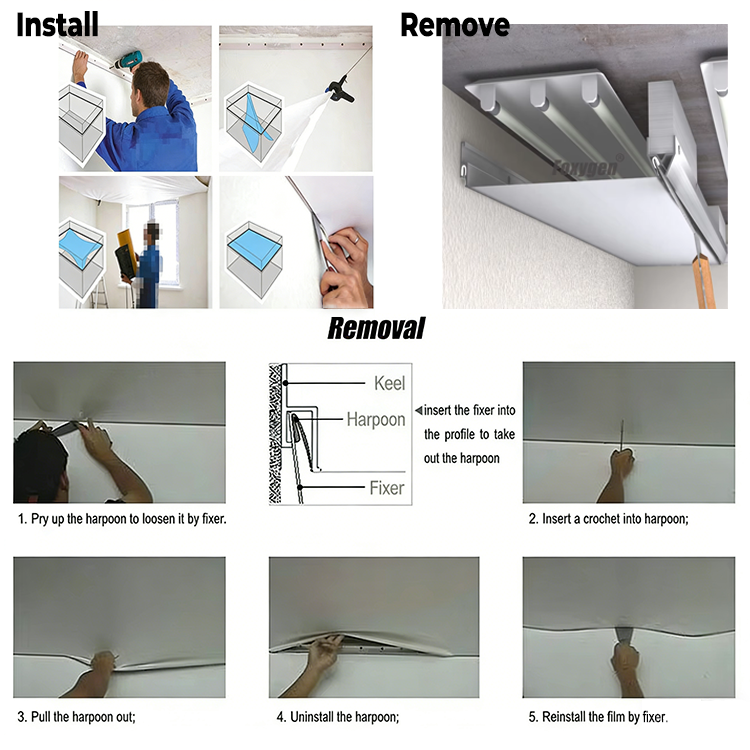
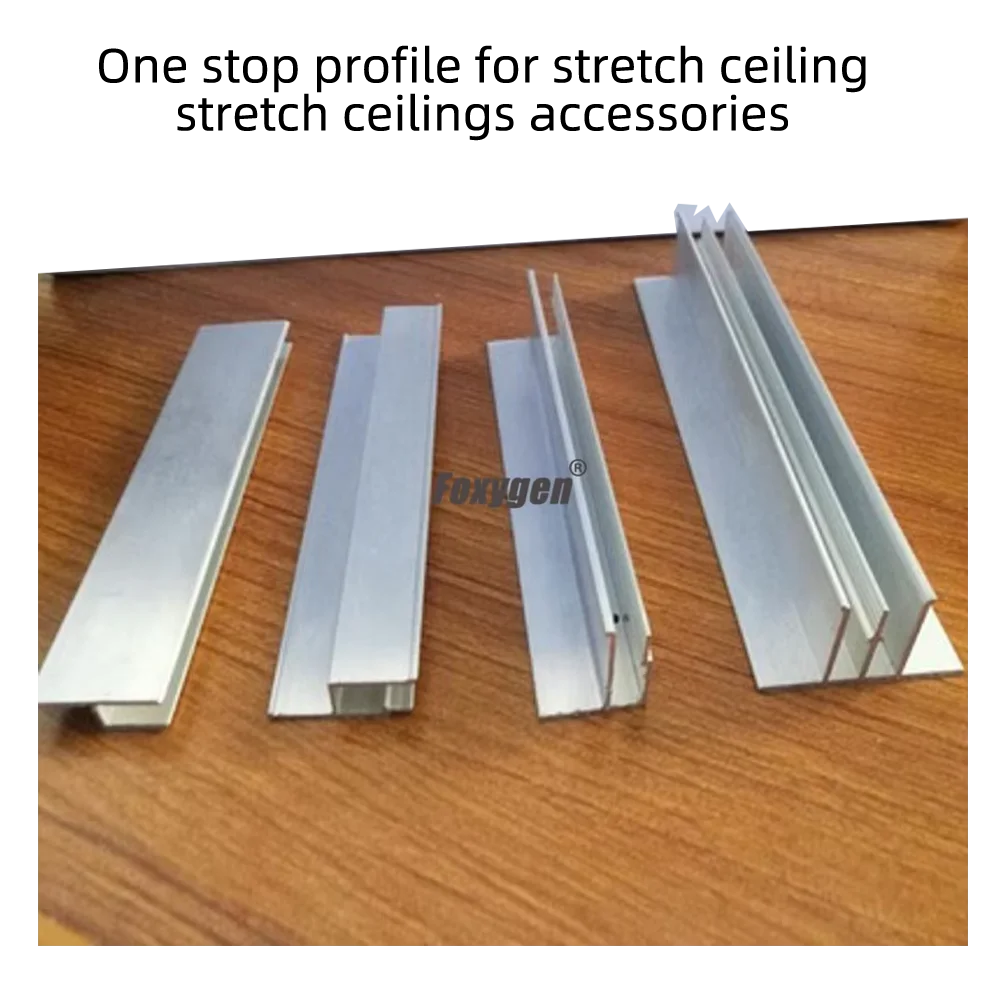
The foundation of seamless stretch ceiling installation lies in precise perimeter preparation and track system installation that creates the framework for achieving continuous surface finishes. Architects work closely with installation specialists to ensure that mounting tracks are positioned accurately and create perfectly level reference points that eliminate undulations or irregularities in the finished ceiling surface. This preparation phase involves careful measurement, marking, and installation of aluminum profiles that serve as the structural foundation for the stretch ceiling membrane.
Professional installation teams follow strict tolerances and alignment procedures to ensure that the track system creates an optimal foundation for seamless membrane installation. The perimeter tracks must be installed with millimeter precision to avoid creating visible lines, shadows, or surface irregularities that could compromise the seamless appearance. Architects specify appropriate track profiles and installation methods based on the specific architectural conditions and aesthetic requirements of each project, ensuring that the structural foundation supports the achievement of perfect seamless finishes.
Membrane Installation and Tension Management
The membrane installation process represents the critical phase where stretch ceilings transform from structural components into seamless finished surfaces through precise tension management and professional installation techniques. Experienced installation teams employ specialized tools and methods to achieve uniform tension across the entire ceiling surface, eliminating wrinkles, sags, or areas of excessive tightness that could create visible imperfections. This process requires careful coordination between multiple installers working simultaneously to maintain consistent tension and achieve the desired seamless appearance.
Architects oversee the installation process to ensure that quality standards are maintained throughout the membrane installation and that any adjustments necessary to achieve perfect seamless finishes are implemented promptly. The installation team monitors surface tension, alignment, and overall appearance continuously during the installation process to identify and address any issues that could compromise the final result. This attention to detail during the installation phase ensures that stretch ceilings deliver the flawless seamless finishes that architects and designers expect from this advanced ceiling technology.
Design Integration Strategies for Complex Architectural Applications
Multi-Level and Curved Surface Implementation
Contemporary architectural projects often feature complex geometries, multi-level configurations, and curved surfaces that require sophisticated design strategies to achieve seamless stretch ceiling integration. Architects develop detailed installation plans that accommodate architectural features such as coffered ceilings, barrel vaults, and stepped configurations while maintaining continuous surface finishes across transitions and level changes. These complex applications demonstrate the versatility of stretch ceilings and the advanced planning capabilities of design professionals who implement them effectively.
The successful implementation of stretch ceilings in complex architectural applications requires precise coordination between design intent and installation methodology to ensure that geometric transitions appear seamless and natural. Architects work with specialized installers who possess the technical expertise necessary to handle complex shapes and configurations while maintaining the high-quality finish standards expected in professional architectural applications. This collaboration between design and installation professionals enables the achievement of seamless finishes even in the most challenging architectural contexts.
Integration with Building Systems and Architectural Elements
Professional architects and designers develop comprehensive integration strategies that allow stretch ceilings to incorporate building systems and architectural elements while maintaining seamless surface continuity. These integration approaches include careful planning for lighting fixtures, HVAC components, fire safety systems, and structural elements that must penetrate or interact with the ceiling surface. The design process involves developing custom solutions that accommodate these necessary building systems without compromising the seamless aesthetic that stretch ceilings provide.
Advanced integration techniques enable architects to create seemingly continuous stretch ceiling surfaces that incorporate recessed lighting, air diffusers, speakers, and other building system components in ways that maintain visual continuity and seamless appearance. Design professionals collaborate with system manufacturers and installation specialists to develop custom mounting solutions, trim details, and integration methods that support the overall design intent while ensuring proper system functionality. This comprehensive approach to system integration demonstrates the sophisticated planning and coordination capabilities that characterize professional stretch ceiling implementation.
Quality Control and Performance Optimization
Installation Quality Assurance Procedures
Architects and designers implement rigorous quality assurance procedures throughout the stretch ceiling installation process to ensure that final results meet the exacting standards required for perfect seamless finishes. These quality control measures include detailed inspection protocols, performance testing procedures, and acceptance criteria that guide the evaluation of completed installations. Design professionals establish clear quality standards and communication procedures that enable prompt identification and resolution of any issues that could compromise the desired seamless appearance.
The quality assurance process includes comprehensive visual inspection under various lighting conditions to identify any surface irregularities, tension inconsistencies, or integration issues that could detract from the seamless finish quality. Architects coordinate with installation teams to address any quality concerns immediately and implement corrective measures that restore the desired appearance standards. This commitment to quality control ensures that stretch ceiling installations consistently deliver the flawless seamless finishes that characterize professional architectural applications.
Long-term Performance Monitoring and Maintenance Planning
Professional implementation of stretch ceilings includes comprehensive planning for long-term performance monitoring and maintenance procedures that preserve seamless finish quality throughout the building lifecycle. Architects develop maintenance protocols that address routine cleaning procedures, periodic inspection requirements, and repair methods that maintain the integrity of seamless surfaces over time. These maintenance plans ensure that stretch ceiling installations continue to deliver the aesthetic and functional performance expected from this advanced ceiling technology.
Design professionals provide building owners and facility managers with detailed guidance regarding proper care and maintenance procedures that preserve seamless finish quality and extend the service life of stretch ceiling installations. This maintenance planning includes recommendations for appropriate cleaning materials, inspection schedules, and professional service requirements that support optimal long-term performance. The comprehensive approach to performance optimization ensures that stretch ceiling investments continue to deliver value and maintain their seamless appearance throughout their intended service life.
FAQ
What makes stretch ceilings superior to traditional ceiling methods for achieving seamless finishes?
Stretch ceilings eliminate the visible joints, seams, and surface imperfections inherent in traditional drywall and suspended ceiling systems by creating continuous membrane surfaces that span entire rooms without interruption. Unlike conventional methods that rely on multiple panels or tiles connected with visible joints, stretch ceilings use tensioned membranes that provide uniform surface appearance without seams, cracks, or settling lines that typically develop in traditional ceiling systems over time.
How do architects coordinate stretch ceiling installation with existing building systems?
Architects develop detailed coordination plans that integrate lighting, HVAC, fire safety, and other building systems with stretch ceiling installations through custom mounting solutions and specialized trim details. This process involves close collaboration with system manufacturers, installation specialists, and other trades to ensure that necessary building systems penetrate or interact with the ceiling surface while maintaining seamless visual continuity and proper system functionality.
What planning considerations are essential for successful seamless stretch ceiling implementation?
Successful stretch ceiling implementation requires comprehensive space assessment, precise measurement, coordination with building systems, material specification, and quality control planning throughout the design and installation process. Architects must evaluate structural conditions, identify potential obstacles, coordinate with other trades, specify appropriate materials and installation methods, and establish quality standards that ensure the achievement of perfect seamless finishes that meet project requirements.
Can stretch ceilings accommodate complex architectural geometries while maintaining seamless appearance?
Yes, stretch ceilings can accommodate complex architectural features including multi-level configurations, curved surfaces, coffered designs, and geometric transitions through specialized installation techniques and custom track systems. Professional installers with advanced technical expertise can handle challenging architectural applications while maintaining seamless surface continuity across level changes, curves, and complex geometric configurations that would be difficult or impossible to achieve with traditional ceiling methods.
Table of Contents
- Strategic Planning Process for Seamless Stretch Ceiling Implementation
- Installation Methodology for Achieving Perfect Seamless Finishes
- Design Integration Strategies for Complex Architectural Applications
- Quality Control and Performance Optimization
-
FAQ
- What makes stretch ceilings superior to traditional ceiling methods for achieving seamless finishes?
- How do architects coordinate stretch ceiling installation with existing building systems?
- What planning considerations are essential for successful seamless stretch ceiling implementation?
- Can stretch ceilings accommodate complex architectural geometries while maintaining seamless appearance?