
 EN
EN


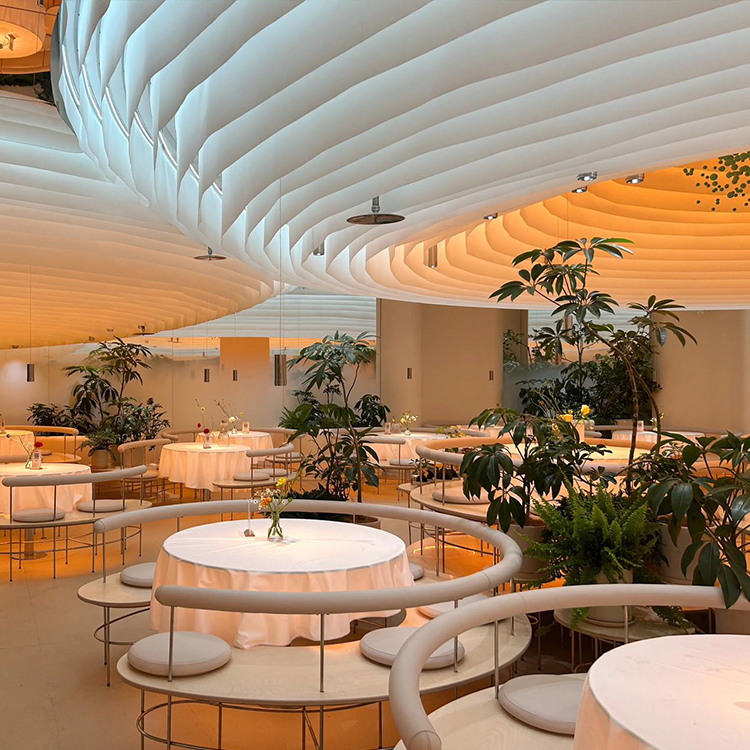
For contractors managing tight project schedules and labor costs, installation speed directly impacts profitability and client satisfaction. When comparing stretch ceiling systems to traditional ceiling methods like drywall, plaster, or suspended panels, the time differential becomes a critical business factor. Understanding which approach delivers faster project completion helps contractors make informed decisions that affect their bottom line and competitive positioning in the market.
The installation time comparison between stretch ceiling and traditional ceiling methods reveals significant differences in labor requirements, preparation work, and completion timelines. Modern stretch ceiling technology has transformed how contractors approach ceiling projects, offering streamlined installation processes that can dramatically reduce project duration. This efficiency gain becomes particularly valuable in commercial settings where downtime costs are substantial and renovation schedules are compressed.
Installation Speed Analysis: Stretch Ceiling Advantages
Rapid Deployment Process
A stretch ceiling installation typically requires 2-4 hours for an average residential room, compared to 2-3 days for traditional drywall ceiling installation. The stretch ceiling system eliminates multiple time-consuming steps including cutting, fitting, taping, mudding, sanding, and painting. Professional installers can complete the entire process from measurement to final inspection in a single visit, reducing project timeline by up to 75% compared to conventional methods.
The streamlined process begins with perimeter track installation, which takes approximately 30-45 minutes for most rooms. Once the aluminum or PVC tracks are secured, the stretch ceiling membrane is heated and stretched into position, typically requiring 60-90 minutes for completion. This efficiency allows contractors to schedule multiple installations per day, maximizing labor utilization and revenue potential.
Minimal Preparation Requirements
Traditional ceiling installation demands extensive surface preparation including cleaning, priming, patching existing imperfections, and ensuring perfectly level surfaces. Stretch ceiling systems eliminate these preparation requirements by creating a new ceiling plane below the existing structure. This capability proves particularly valuable in renovation projects where existing ceilings show significant wear, water damage, or structural irregularities.
The stretch ceiling installation process accommodates uneven surfaces, exposed utilities, and architectural obstacles without requiring extensive modification work. Contractors can work around existing HVAC ducts, electrical conduits, and structural elements while maintaining a smooth, finished appearance that rivals traditional plastered surfaces.
Traditional Ceiling Installation Timeline
Multi-Stage Construction Process
Conventional drywall ceiling installation involves multiple sequential steps that extend project timelines significantly. The process typically begins with framing or furring strip installation, followed by drywall cutting and mounting, joint compound application, sanding, priming, and final painting. Each stage requires curing time and creates dust, debris, and disposal requirements that impact overall project efficiency.
Professional drywall installation for a standard 12x14 foot room requires approximately 16-24 hours of labor spread across 3-4 days. The joint compound application alone involves three separate coats with drying time between applications, adding 48-72 hours to the project timeline. Additional time is required for sanding, cleanup, and paint application, making traditional ceiling installation a week-long process for optimal results.
Skill-Dependent Quality Variations
Traditional ceiling installation outcomes depend heavily on individual craftsman skill levels and attention to detail. Achieving perfectly smooth joints, consistent texture, and uniform paint coverage requires experienced professionals and careful quality control throughout the process. Less experienced installers may require additional time for rework or touch-up procedures, further extending project timelines.
Weather conditions and environmental factors also affect traditional ceiling installation speed and quality. High humidity slows drying times, while temperature fluctuations can cause joint compound cracking or paint adhesion problems. These variables add uncertainty to project scheduling and may require timeline adjustments that impact other construction activities.
Labor Cost and Efficiency Considerations
Reduced Workforce Requirements
Stretch ceiling installation typically requires a two-person crew for most residential and light commercial applications, while traditional ceiling work often needs 3-4 skilled tradespeople including drywall hangers, tapers, sanders, and painters. The specialized stretch ceiling installation process consolidates multiple trades into a single operation, reducing coordination complexity and labor costs by approximately 40-60%.
The concentrated workforce requirement for stretch ceiling projects allows contractors to deploy other team members on additional jobs simultaneously, improving overall crew utilization and project capacity. This efficiency gain becomes particularly valuable during peak construction seasons when skilled labor availability is limited and project scheduling demands are high.
Elimination of Multi-Trade Coordination
Traditional ceiling installation requires careful coordination between multiple specialized trades, each with different scheduling requirements and quality dependencies. Delays in any single phase can cascade through the entire project timeline, creating scheduling conflicts and cost overruns. Stretch ceiling installation eliminates these coordination challenges by consolidating the entire process under a single specialized crew.
The simplified workflow reduces project management overhead and eliminates the communication gaps that often occur between different trade contractors. This streamlined approach improves timeline predictability and reduces the risk of costly delays that can impact other project phases or client relationships.
Project-Specific Time Savings Analysis
Commercial Installation Efficiency
In commercial environments where business continuity is critical, stretch ceiling installation offers significant advantages through reduced disruption periods. A typical office ceiling renovation using traditional methods requires 5-7 working days with substantial noise, dust, and space restrictions. Stretch ceiling installation can complete the same project in 1-2 days with minimal disruption to ongoing business operations.
The speed advantage becomes more pronounced in larger commercial spaces where stretch ceiling systems can cover extensive areas quickly without the complexity of managing multiple drywall sheets, joint patterns, and finishing procedures. Healthcare facilities, restaurants, and retail spaces particularly benefit from the rapid installation capability that minimizes revenue loss during renovation periods.
Renovation Project Advantages
Renovation projects involving existing ceiling removal and disposal create additional time and cost burdens for traditional methods. Stretch ceiling installation can often proceed without removing existing ceiling materials, saving demolition time, disposal fees, and potential asbestos or lead paint remediation requirements in older buildings.
The overlay capability of stretch ceiling systems proves particularly valuable in buildings with architectural or historical significance where preserving existing structures is important. Contractors can achieve modern ceiling performance and appearance while maintaining building integrity and avoiding lengthy permit and approval processes associated with structural modifications.
Quality and Longevity Factors
Immediate Completion Standards
Stretch ceiling installation delivers finished results immediately upon completion, eliminating the gradual quality emergence typical of traditional methods. The factory-manufactured membrane material arrives pre-finished with consistent color, texture, and performance characteristics that remain stable throughout the installation process.
Traditional ceiling finishing quality emerges gradually through multiple application and curing cycles, with final appearance dependent on environmental conditions, material quality, and craftsman technique. The immediate completion capability of stretch ceiling systems allows contractors to achieve client sign-off and project closeout on the same day as installation completion.
Maintenance and Service Accessibility
Stretch ceiling systems provide superior access to above-ceiling utilities and infrastructure compared to traditional fixed ceiling installations. The removable and reinstallable nature of stretch ceiling membranes allows future maintenance, repairs, or modifications without ceiling replacement, reducing long-term building operation costs and service disruption.
This accessibility advantage appeals to facility managers and building owners who value flexible infrastructure access and reduced maintenance costs over the building lifecycle. Contractors can position stretch ceiling installation as a long-term value proposition that extends beyond initial installation time savings.
FAQ
How much faster is stretch ceiling installation compared to traditional drywall ceiling work?
Stretch ceiling installation is typically 70-80% faster than traditional drywall ceiling installation. A standard room that requires 3-4 days for conventional drywall work can be completed with stretch ceiling installation in 2-4 hours, allowing contractors to complete multiple projects per day and significantly improve labor efficiency.
Do contractors need special training or equipment for stretch ceiling installation?
Yes, stretch ceiling installation requires specialized training and equipment including heat guns, measuring tools, and installation accessories. However, the learning curve is typically shorter than mastering traditional plastering and finishing techniques, and most contractors can achieve proficiency with 1-2 weeks of focused training and practice.
Can stretch ceiling installation work around existing fixtures and obstacles as easily as traditional methods?
Stretch ceiling systems excel at accommodating existing fixtures, lighting, HVAC vents, and architectural obstacles without requiring extensive modification work. The flexible membrane can be precisely cut and sealed around irregular shapes and penetrations, often more easily than achieving similar results with rigid drywall materials.
What are the main factors that could slow down stretch ceiling installation compared to the typical timeline?
Complex room geometries, numerous ceiling penetrations, integration with specialty lighting systems, and challenging access conditions can extend stretch ceiling installation time. However, even in these situations, stretch ceiling installation typically remains faster than traditional methods due to the elimination of multiple finishing steps and curing time requirements.
Table of Contents
- Installation Speed Analysis: Stretch Ceiling Advantages
- Traditional Ceiling Installation Timeline
- Labor Cost and Efficiency Considerations
- Project-Specific Time Savings Analysis
- Quality and Longevity Factors
-
FAQ
- How much faster is stretch ceiling installation compared to traditional drywall ceiling work?
- Do contractors need special training or equipment for stretch ceiling installation?
- Can stretch ceiling installation work around existing fixtures and obstacles as easily as traditional methods?
- What are the main factors that could slow down stretch ceiling installation compared to the typical timeline?