
 EN
EN



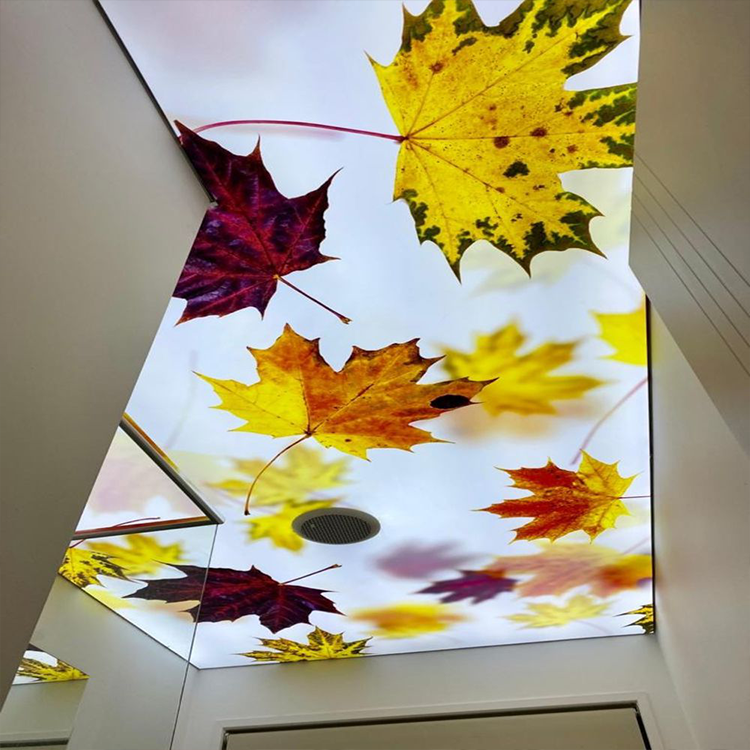
Installing a stretch ceiling is a precise craft that demands more than just skill and experience. The equipment used during the process plays a defining role in whether the final result is flawless or flawed. stretch ceiling tools are not simply accessories — they are functional safeguards that protect the membrane, the substrate, and the installer throughout every phase of fitting. Choosing the wrong tools, or using the right ones incorrectly, can lead to tears, distortions, tracking marks, and costly rework that no professional wants to face on a job site.
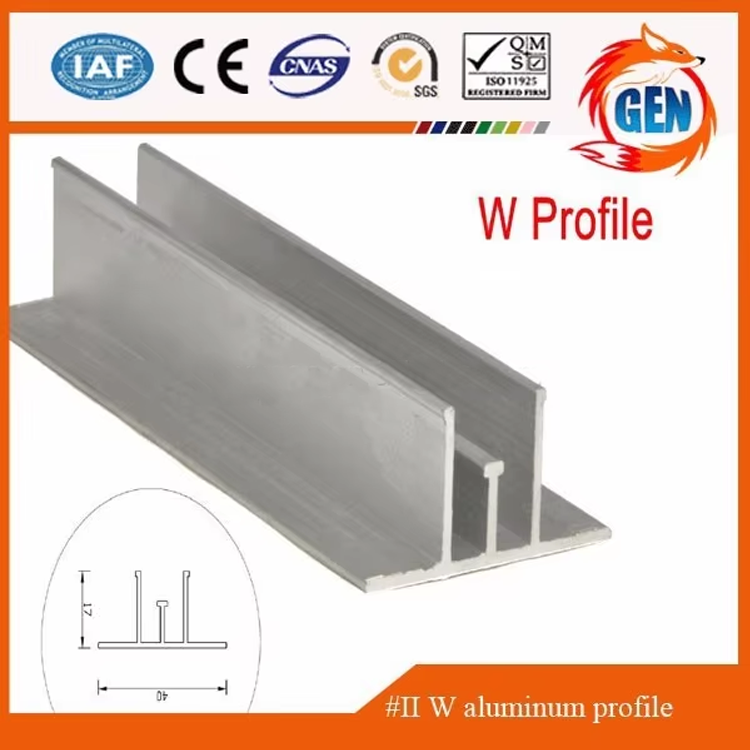
Understanding how the right stretch ceiling tools prevent damage is therefore essential knowledge for every installer — whether working on a residential fit-out, a commercial interior, or a high-specification architectural project. This article examines the direct connection between tool selection and installation integrity, walking through the mechanisms by which proper equipment protects the membrane at every stage, from initial heating to final locking and trimming.
The Relationship Between Tool Quality and Membrane Integrity
Why Tool Design Directly Affects the Membrane Surface
Stretch ceiling membranes are engineered to precise tolerances. Whether made from PVC, fabric, or lacquered film, they respond sensitively to pressure, heat, and contact. Poorly designed stretch ceiling tools with sharp edges, rough surfaces, or uneven pressure points can leave visible marks, punctures, or micro-tears that compromise both the aesthetic and the structural integrity of the installation. A tool that seems functional on the surface may, over repeated use, cause progressive degradation that only becomes visible once the ceiling is fully tensioned.
Professional-grade stretch ceiling tools are manufactured with membrane-safe contact surfaces in mind. Insertion spatulas, for example, are designed with rounded, polished tips that guide the bead into the profile groove without gouging the film. The geometry of the blade matters enormously — a tip that is too thin can slip beneath the membrane and cut it, while one that is too thick can fail to seat the bead properly, creating tension imbalances that distort the finished ceiling. The right tool geometry is not a luxury detail; it is a functional requirement for damage-free installation.
Beyond geometry, the material composition of stretch ceiling tools also affects their performance. Tools made from low-quality plastics can develop micro-burrs over time that scratch delicate lacquered or gloss-finish membranes. High-grade nylon, reinforced polymers, or purpose-designed alloys resist wear while maintaining smooth contact surfaces throughout a working life of many installations. Investing in durable, well-constructed stretch ceiling tools pays dividends not just in convenience but in the consistent protection they provide to every ceiling film they touch.
How the Right Tools Distribute Force Evenly
One of the most common causes of membrane damage during installation is uneven force distribution. When an installer applies pressure through a tool that concentrates load at a single point rather than spreading it along a controlled contact zone, the membrane is subjected to localized stress that can exceed its elastic limit. This results in permanent deformation, visible stress lines, or in severe cases, tearing at the bead or along the field of the ceiling.
Well-designed stretch ceiling tools address this by engineering their working surfaces to distribute insertion and tensioning force across the broadest practical area. Wider spatula profiles spread the seating pressure over more of the bead simultaneously, reducing peak stress at any single point. Ergonomic handle designs give the installer greater tactile control, which means less likelihood of sudden force spikes that could damage the membrane. When stretch ceiling tools are designed with force distribution as a core engineering principle, the risk of mechanical damage during fitting drops substantially.
This principle applies equally to tools used during the heating phase of installation. Heat guns and warm-air blowers that distribute heat evenly across the membrane allow it to relax uniformly before tensioning begins. A tool that creates hot spots in the film can cause localized over-softening, leading to permanent deformation or color irregularities in the finished ceiling. Even at the heating stage, the right stretch ceiling tools are actively preventing damage by managing the film's thermodynamic response to the installation process.
Heating Tools and Their Role in Safe Membrane Expansion
Controlled Heat as a Damage-Prevention Mechanism
Stretch ceiling membranes must be warmed to a specific temperature range before they become pliable enough to tension correctly. Too little heat leaves the film stiff and resistant, increasing the force required to seat the bead and raising the risk of tearing at stress concentration points. Too much heat, or heat applied unevenly, can permanently alter the material properties of the membrane, cause surface bubbling in gloss finishes, or introduce warping that makes a flat, tensioned ceiling impossible to achieve.
Professional stretch ceiling tools for heating — including high-output heat guns, warm-air cannons, and radiant heating systems — are designed to bring the membrane to the correct temperature range in a controlled, gradual manner. This controlled expansion is a form of damage prevention in itself. When the film reaches the right temperature uniformly, it responds predictably to tensioning, allowing the installer to work systematically around the room without fighting the material. The ceiling seats itself into the profile with the correct amount of force, and the risk of over-stressing any section is minimized.
Using underpowered or non-specialist heating tools is a common source of installation damage that is often misattributed to membrane quality or installer error. When the heating equipment cannot maintain the room temperature required for proper expansion, installers compensate by applying more mechanical force — and that is precisely when tears and distortions occur. The right heating equipment, as part of a complete set of stretch ceiling tools, removes the conditions under which mechanical damage becomes likely.
Temperature Management in Complex Room Shapes
In rooms with complex geometries — multiple levels, curved profiles, alcoves, or bay windows — maintaining a consistent working temperature across the entire membrane becomes more technically demanding. Heat loss through uninsulated walls, open doorways, or high ceilings can cause parts of the film to cool and stiffen while the installer is still working on distant sections. Without the right stretch ceiling tools to manage this, installers face the risk of attempting to tension cold film, which dramatically increases the probability of bead-zone tears or permanent overstretching.
Specialist heating tools for complex installations include directional warm-air systems that can be repositioned as work progresses and high-volume air blowers that maintain ambient temperature across large areas. These tools work in coordination with the insertion and trimming tools to create a controlled installation environment rather than leaving the installer at the mercy of ambient room conditions. This systematic approach to temperature management is one of the clearest examples of how the right stretch ceiling tools prevent damage by controlling the physical conditions of the installation process itself.
Insertion and Locking Tools for Precise, Damage-Free Bead Seating
Spatula Design and Its Impact on Bead-Zone Integrity
The bead zone — where the membrane's welded edge meets the locking profile — is the most mechanically stressed part of any stretch ceiling installation. It is the point at which tensioning forces concentrate, and it is the area most vulnerable to damage from poorly designed stretch ceiling tools. The spatula, or insertion tool, is the primary implement used to guide and seat the bead into the profile groove, and its design has a direct impact on whether the bead zone survives installation without damage.
A correctly designed insertion spatula for stretch ceiling tools has a profile that matches the geometry of the bead and the locking mechanism of the profile system being used. It engages the bead cleanly without requiring the installer to apply excessive lateral or downward force. It guides the membrane into the groove smoothly, preventing the bead from being pinched, stretched, or mis-seated in ways that create tension imbalances. Installers working with purpose-matched stretch ceiling tools consistently report fewer bead-zone failures and less membrane rework than those using improvised or generic tools.
The angle at which insertion tools are designed to operate also matters. Tools engineered for the correct insertion angle allow the installer to work with a natural, ergonomic motion that maintains consistent pressure throughout the bead-seating stroke. Tools that require awkward angles force the installer into postures that reduce control and increase the likelihood of sudden, damaging force spikes. Ergonomics and damage prevention are not separate considerations for stretch ceiling tools — they are directly connected.
Locking and Re-Tensioning Tools That Protect the Film
Once the membrane has been initially seated, locking and re-tensioning tools are used to ensure the bead is fully and evenly secured around the perimeter. These stretch ceiling tools must be capable of applying consistent seating pressure without risking membrane contact damage or bead distortion. Tools with overly aggressive gripping surfaces or mismatched profiles can drag across the membrane face during re-tensioning, leaving visible surface marks on gloss or satin finishes that cannot be polished out after the fact.
The best stretch ceiling tools for locking and re-tensioning are designed with smooth, non-abrasive surfaces on any part that may contact the membrane face, reserving their gripping and force-generating features exclusively for bead contact. They allow the installer to apply firm, controlled seating pressure without the tool ever touching the membrane surface in a way that could cause marking or scratching. This design discipline is what separates professional stretch ceiling tools from general-purpose alternatives that may seem capable but cause subtle damage that only becomes apparent under certain lighting conditions after installation is complete.
Trimming and Finishing Tools That Protect the Final Result
Precision Trimming to Avoid Membrane Cutting Errors
After the membrane has been fully tensioned and seated, excess material at the perimeter must be trimmed cleanly and precisely. This is a stage where the wrong stretch ceiling tools can cause irreversible damage in seconds. A blade that is too aggressive, positioned incorrectly, or lacking the right depth control can cut into the membrane behind the profile, compromising the bead-zone integrity and potentially requiring full re-installation of a section. The financial and time cost of a trimming error at this stage is far higher than the cost of using precision-engineered trimming tools from the outset.
Purpose-designed trimming tools for stretch ceilings incorporate depth-limiting features that prevent the blade from cutting deeper than the profile geometry requires. They guide the cut along the correct plane relative to the profile face, ensuring that the trim is made cleanly without risk of reaching the tensioned membrane surface. Some systems incorporate integrated guides that keep the tool indexed to the profile edge throughout the trimming stroke, virtually eliminating the risk of human error causing accidental membrane contact. These features are not present in generic cutting tools and represent a direct damage-prevention advantage of using the correct stretch ceiling tools for each stage of the process.
Edge Finishing Without Surface Marking
The final edge-finishing stage involves tucking, pressing, and confirming the neatness of the membrane's transition into the perimeter profile. At this stage, the ceiling is fully tensioned and any tool that applies localized pressure to the membrane face risks creating a visible impression in the surface — particularly on high-gloss or mirror-finish films that record even light contact pressure. The stretch ceiling tools used for edge finishing must therefore be soft-faced, low-friction, and controlled in the force they allow the installer to apply.
Finishing tools designed specifically for stretch ceiling work typically incorporate soft polymer or felt-lined contact surfaces that press and guide without marking. They are shaped to allow the installer to work close to the profile edge with full visibility and control, minimizing the risk of accidental contact with the membrane field. Using the right stretch ceiling tools at this final stage preserves the surface quality of the installation all the way to completion, ensuring that the visual result reflects the quality of the material and the skill of the installer — not the damage caused by the wrong equipment.
Building a Complete Tool Set for Damage-Free Installation
Why a System Approach to Stretch Ceiling Tools Matters
Damage prevention during stretch ceiling installation is most reliably achieved when every tool used across every stage of the process has been selected as part of a coherent system. Using premium insertion tools with a non-compatible heating setup, or professional-grade trimming tools alongside generic spatulas, introduces inconsistencies that create vulnerabilities in the installation process. A complete, matched set of stretch ceiling tools eliminates these inconsistencies by ensuring that every phase of the installation is supported by equipment designed to work together.
A complete stretch ceiling tools system typically includes heating equipment, insertion spatulas in multiple profiles and sizes for different ceiling systems, locking and re-tensioning tools, precision trimming equipment, and edge-finishing accessories. Each component addresses a specific damage risk in the installation process, and together they provide comprehensive protection for the membrane from the moment it is unpacked to the moment the installation is signed off. Installers who invest in this complete-system approach consistently achieve better results with fewer callbacks, less material waste, and lower overall project costs.
Matching Tools to Membrane Type and Profile System
Not all stretch ceiling membranes are the same, and not all profile systems use identical bead geometries. Stretch ceiling tools must therefore be matched not just to the installation process in general but to the specific membrane type and profile system in use on each project. Using tools calibrated for a PVC system on a fabric membrane, or tools designed for one bead profile type on a different manufacturer's system, introduces mechanical mismatches that increase the risk of damage even when the installer's technique is correct.
Professional installers develop knowledge of which stretch ceiling tools are appropriate for each combination of membrane and profile they regularly encounter. They carry multiple spatula profiles, ensure their trimming tools are calibrated to the profile depths they are working with, and adjust their heating approach to the specific thermal characteristics of each membrane material. This level of tool-to-material matching is one of the defining differences between installers who consistently achieve damage-free results and those who encounter recurring problems that they may incorrectly attribute to material quality or room conditions.
The investment in a well-matched, professionally specified set of stretch ceiling tools is, in practical terms, an investment in installation quality assurance. Every tool in the set is performing a damage-prevention function as much as a mechanical installation function, and the cost of that protection is always less than the cost of repairing or replacing a damaged membrane after the fact.
FAQ
What are the most critical stretch ceiling tools for preventing membrane damage?
The most critical stretch ceiling tools for damage prevention are the insertion spatula, the heating equipment, and the trimming tool. The spatula must match the bead and profile geometry to avoid bead-zone stress. The heating equipment must distribute warmth evenly to prevent localized over-softening. The trimming tool must incorporate depth-limiting features to prevent accidental cuts to the membrane surface. Together, these three categories of stretch ceiling tools address the highest-risk stages of the installation process.
Can using incorrect stretch ceiling tools void material warranties?
In many cases, yes. Membrane manufacturers and system suppliers specify which stretch ceiling tools are compatible with their products, and damage caused by non-compatible or generic tools may not be covered under material warranties. Using manufacturer-recommended or professionally specified stretch ceiling tools not only protects the membrane during installation but also ensures that any legitimate material defects remain covered. It is always advisable to check tool compatibility with the membrane and profile supplier before beginning a project.
How do I know if my stretch ceiling tools are causing subtle surface damage?
Subtle surface damage from stretch ceiling tools often becomes visible only under raking light or specific viewing angles. Signs include fine scratches on gloss finishes, slight impressions near the perimeter profile, uneven tension lines, or micro-tears at the bead zone that cause the edge to lift slightly. Regular inspection of your stretch ceiling tools for worn edges, rough contact surfaces, or burrs — and replacing them when wear is detected — is the most reliable way to prevent this type of damage before it becomes visible on installed ceilings.
Is it worth investing in a complete set of stretch ceiling tools rather than buying individual tools as needed?
Yes, investing in a complete system of stretch ceiling tools is generally more cost-effective over time than building a mixed set of tools from different sources. A complete system ensures tool compatibility, consistent performance across all installation stages, and coherent damage protection throughout the process. Individual tools sourced from different suppliers may work in isolation but create mechanical mismatches at the points where they interact — such as when a heating tool calibrated for one membrane type is paired with insertion tools designed for a different system. A complete, matched set of stretch ceiling tools reduces these risks and supports a more consistent, professional installation outcome.
Table of Contents
- The Relationship Between Tool Quality and Membrane Integrity
- Heating Tools and Their Role in Safe Membrane Expansion
- Insertion and Locking Tools for Precise, Damage-Free Bead Seating
- Trimming and Finishing Tools That Protect the Final Result
- Building a Complete Tool Set for Damage-Free Installation
-
FAQ
- What are the most critical stretch ceiling tools for preventing membrane damage?
- Can using incorrect stretch ceiling tools void material warranties?
- How do I know if my stretch ceiling tools are causing subtle surface damage?
- Is it worth investing in a complete set of stretch ceiling tools rather than buying individual tools as needed?