
 EN
EN


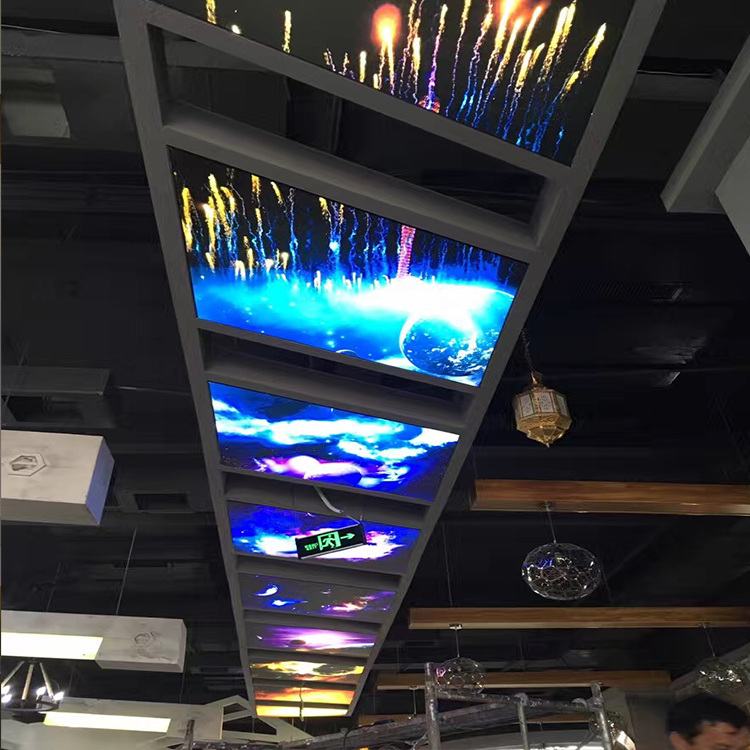
Modern lighting companies face increasing demand for seamless ceiling solutions that combine aesthetic appeal with functional illumination. Stretch ceiling integration with LED lighting represents a sophisticated approach to contemporary interior design, offering lighting professionals new opportunities to deliver comprehensive ceiling systems that meet both illumination and design requirements.
The convergence of stretch ceiling technology with LED lighting systems creates unique value propositions for lighting companies seeking to expand their service offerings. This integration approach allows lighting professionals to address both structural ceiling concerns and illumination needs through unified installation processes, resulting in streamlined project delivery and enhanced customer satisfaction.
Understanding Stretch Ceiling Integration Fundamentals
Core Components of Integrated Systems
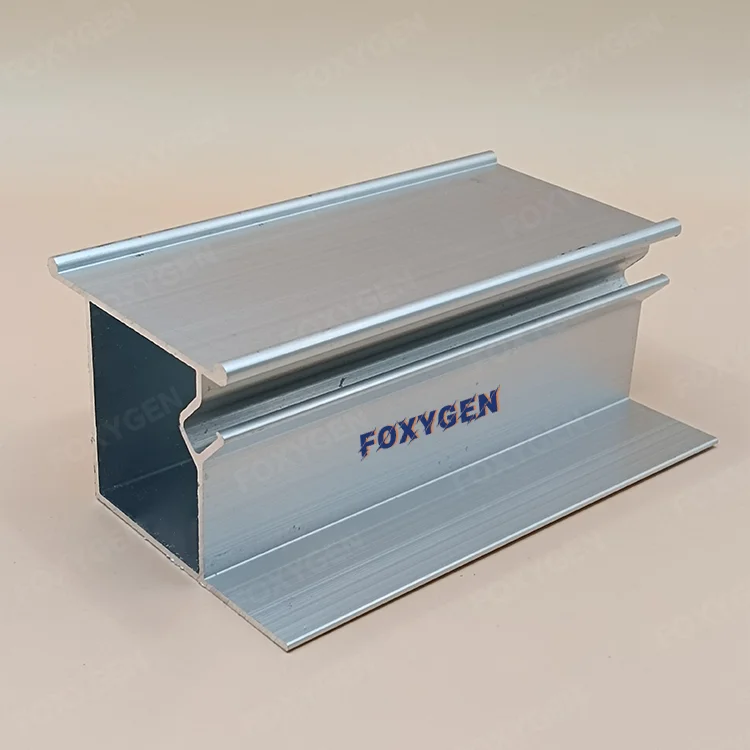
Stretch ceiling integration involves the coordinated installation of tensioned membrane ceilings with embedded or surface-mounted LED lighting elements. The integration process requires specialized aluminum profiles that serve dual functions as both ceiling mounting systems and lighting fixture housings. These profiles maintain the structural integrity of the stretch ceiling while providing secure mounting points for LED components.
The membrane material selection plays a crucial role in stretch ceiling integration success. Translucent membranes allow for backlighting effects, while opaque materials provide traditional ceiling appearances with discrete lighting integration points. The choice between these options depends on the desired lighting effect and overall design objectives.
Lighting companies must understand the thermal considerations inherent in stretch ceiling integration. LED fixtures generate heat that can affect membrane performance, requiring careful selection of LED products with appropriate thermal management characteristics. The integration design must account for heat dissipation pathways that protect both lighting components and ceiling materials.
Installation Methodology for Lighting Companies
The installation sequence for stretch ceiling integration begins with mounting the perimeter aluminum profiles that will support both the stretch ceiling system and integrated lighting elements. These profiles must be precisely aligned to ensure proper membrane tension and lighting placement accuracy.
LED lighting integration occurs during the profile installation phase, before membrane installation. This timing allows lighting companies to complete electrical connections and verify lighting functionality before the ceiling membrane is tensioned into position. The integration approach eliminates the need for post-installation ceiling modifications that could compromise the stretch ceiling system.
Quality control during stretch ceiling integration requires verification of both lighting performance and membrane tension. Lighting companies should establish testing protocols that confirm proper illumination levels and uniform light distribution before project completion. These protocols help prevent callback issues and ensure customer satisfaction with the integrated system.
Technical Requirements for LED Integration
Profile Selection and Compatibility
Aluminum profile selection forms the foundation of successful stretch ceiling integration projects. The profiles must accommodate both the mechanical requirements of stretch ceiling installation and the dimensional requirements of LED lighting systems. Profile depth determines the available space for LED fixtures and associated wiring, while profile width affects the visual impact of the integration points.
Compatibility considerations extend beyond dimensional requirements to include thermal performance characteristics. The aluminum profiles must provide adequate heat dissipation pathways for LED fixtures while maintaining the structural properties required for stretch ceiling support. This dual functionality requires careful profile engineering and selection.
Lighting companies should verify that selected profiles include appropriate cable management features for LED installations. Integrated wire channels and connection points simplify installation while maintaining clean aesthetic appearances. The stretch ceiling integration process benefits significantly from profiles designed specifically for lighting applications.
LED Selection Criteria
LED fixture selection for stretch ceiling integration must balance performance requirements with form factor constraints. Linear LED strips provide excellent integration potential due to their slim profiles and flexible mounting options. The fixtures must operate within temperature ranges compatible with stretch ceiling materials to prevent membrane damage or premature aging.
Power supply considerations affect both LED selection and integration design. Remote power supplies allow for smaller integration profiles but require additional wiring runs, while integrated drivers simplify installation but increase profile size requirements. Lighting companies must evaluate these trade-offs based on specific project constraints and customer preferences.
Color temperature consistency becomes particularly important in stretch ceiling integration applications where multiple LED fixtures contribute to overall room illumination. Lighting companies should specify LED products with tight binning tolerances to ensure uniform color appearance across the integrated ceiling system.
Design Considerations for Lighting Companies
Aesthetic Integration Strategies
Successful stretch ceiling integration requires careful consideration of visual transitions between lighting elements and ceiling surfaces. The integration points should appear intentional and coordinated rather than retrofit additions. This aesthetic coherence depends on profile selection, LED placement patterns, and overall lighting design strategy.
Lighting companies can create dramatic effects through strategic use of translucent stretch ceiling materials combined with backlighting approaches. These techniques allow for even illumination across large ceiling areas while maintaining the clean, seamless appearance characteristic of stretch ceiling installations. The integration approach opens new creative possibilities for lighting design.
Shadow management becomes crucial in stretch ceiling integration applications where lighting elements are positioned close to ceiling surfaces. Proper spacing and angle adjustments prevent unwanted shadow patterns while maintaining desired illumination levels. These considerations require careful planning during the design phase to avoid costly modifications during installation.
Functional Performance Requirements
Illumination uniformity standards for stretch ceiling integration may differ from traditional lighting approaches due to the proximity of light sources to ceiling surfaces. Lighting companies must establish appropriate spacing calculations that account for the optical characteristics of both LED fixtures and stretch ceiling materials.
Control system integration offers opportunities to enhance the value proposition of stretch ceiling integration projects. Dimming capabilities, color changing features, and automated control options can differentiate integrated ceiling solutions from conventional alternatives. These advanced features require careful coordination between lighting controls and stretch ceiling installation sequences.
Maintenance accessibility planning ensures long-term customer satisfaction with stretch ceiling integration installations. While LED fixtures offer excellent longevity, eventual replacement or servicing requirements must be accommodated without compromising the stretch ceiling system integrity. Design approaches should include provisions for maintenance access that preserve aesthetic and functional performance.
Business Opportunities and Market Applications
Target Market Segments
Commercial applications represent significant opportunities for lighting companies offering stretch ceiling integration services. Office environments, retail spaces, and hospitality venues frequently require both ceiling renovation and lighting upgrades, making integrated solutions particularly attractive to facility managers and architects.
Residential applications for stretch ceiling integration continue expanding as homeowners seek sophisticated ceiling solutions that combine aesthetic appeal with functional lighting. Kitchen and bathroom applications particularly benefit from the moisture resistance of stretch ceiling materials combined with appropriate LED lighting integration.
Healthcare and educational facilities present specialized opportunities for stretch ceiling integration due to stringent hygiene and maintenance requirements. The seamless, easy-to-clean surfaces of stretch ceilings combined with efficient LED lighting address multiple facility management concerns through unified solutions.
Competitive Advantages
Lighting companies offering stretch ceiling integration services can differentiate themselves through comprehensive solution capabilities that address multiple customer needs simultaneously. This approach reduces customer coordination requirements while potentially increasing project values and profit margins.
The integrated approach simplifies maintenance scheduling and warranty management for customers by providing single-source responsibility for both ceiling and lighting system performance. This convenience factor often justifies premium pricing compared to separate ceiling and lighting installations.
Technical expertise in stretch ceiling integration creates barriers to entry for competitors while establishing lighting companies as specialized solution providers. This expertise becomes particularly valuable in complex applications requiring custom integration approaches or specialized performance requirements.
FAQ
What electrical requirements must lighting companies consider for stretch ceiling integration?
Electrical requirements for stretch ceiling integration include low-voltage LED power supplies, appropriate wire gauge selection for extended runs, and compliance with local electrical codes for concealed wiring. The aluminum profiles must accommodate electrical connections while maintaining proper heat dissipation and structural integrity.
How does stretch ceiling integration affect lighting warranty and maintenance obligations?
Stretch ceiling integration typically extends warranty coverage to include both ceiling and lighting components under unified service agreements. Maintenance protocols must account for the integrated nature of the system, with LED replacements potentially requiring partial ceiling disassembly in some configurations.
Can existing lighting systems be retrofitted with stretch ceiling integration?
Retrofit applications for stretch ceiling integration depend on existing ceiling heights, structural conditions, and electrical infrastructure. Many existing lighting systems can be incorporated into stretch ceiling integration projects, though optimal results often require new LED fixtures designed specifically for integration applications.
What training do lighting technicians need for stretch ceiling integration work?
Technicians performing stretch ceiling integration work require training in membrane handling techniques, profile installation procedures, and thermal management principles. The integration process combines electrical and mechanical skills, requiring comprehensive understanding of both lighting and ceiling installation methodologies.
Table of Contents
- Understanding Stretch Ceiling Integration Fundamentals
- Technical Requirements for LED Integration
- Design Considerations for Lighting Companies
- Business Opportunities and Market Applications
-
FAQ
- What electrical requirements must lighting companies consider for stretch ceiling integration?
- How does stretch ceiling integration affect lighting warranty and maintenance obligations?
- Can existing lighting systems be retrofitted with stretch ceiling integration?
- What training do lighting technicians need for stretch ceiling integration work?