
 EN



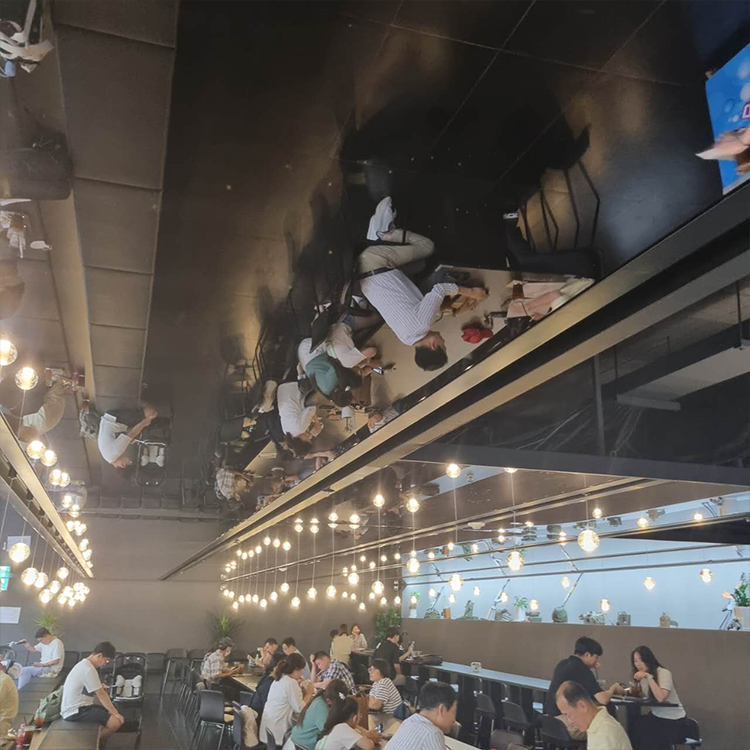
Sourcing stretch ceiling film for a B2B project involves more than comparing price per roll. The wrong specification, unclear documentation, or weak quality checks can lead to installation problems, delays, and costly rework. This guide explains five sourcing mistakes to avoid, so your stretch ceiling film decisions reflect the actual project, not just a quotation.
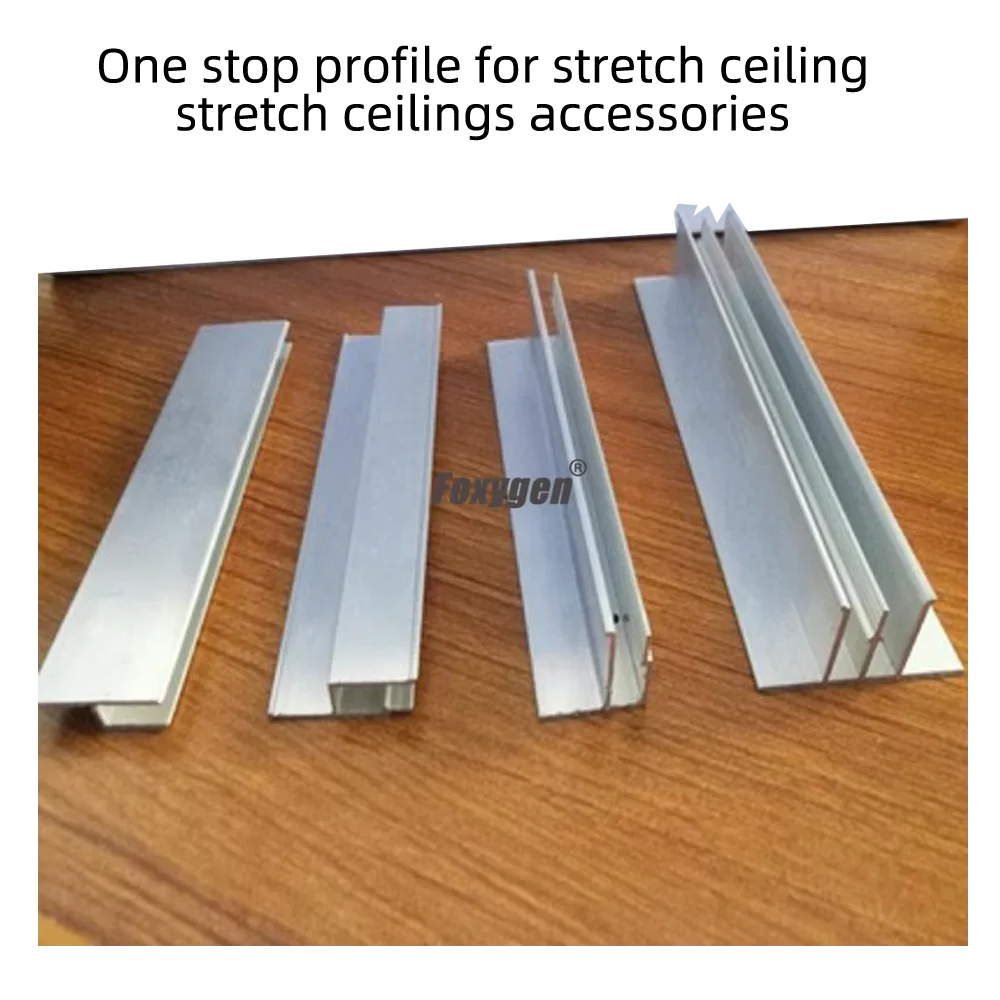
A reliable sourcing process starts with a clear brief and continues through sampling, order confirmation, and incoming inspection. For stretch ceiling film, buyers should align material properties with the room, installation method, and local requirements. The following five mistakes show where B2B teams commonly lose control and how to make each decision more useful.
Specification mistakes that create fit problems
Mistake one: Buying before defining the application
A general request for stretch ceiling film leaves important details open. Define the installation environment, ceiling dimensions, expected appearance, lighting conditions, and whether the space has unusual temperature or moisture exposure. These details help a supplier recommend a suitable stretch ceiling film specification, rather than quoting a material that only matches a broad product category.
For a commercial interior, confirm whether the design calls for a matte, satin, or reflective finish and whether the surface will be backlit. Ask the project team to approve these requirements before ordering stretch ceiling film. A written brief also gives purchasing, design, and installation teams a shared reference when reviewing a stretch ceiling film sample or production document.
Mistake two: Treating all film specifications as interchangeable
Materials that look similar in a catalogue may differ in thickness, width, finish, roll length, and handling characteristics. Do not assume one stretch ceiling film grade will suit every site. Record the required dimensions and technical criteria, then compare the offered stretch ceiling film against those criteria line by line instead of relying on a generic product name.
Clarify which properties are guaranteed and which are descriptive, including tolerances where relevant. If a project depends on a particular color or surface effect, request a physical sample and assess it under representative lighting. Confirm that the approved sample corresponds to the stretch ceiling film being quoted and ordered, so expectations do not shift between selection and delivery.
Evaluation mistakes that weaken supplier decisions
Mistake three: Skipping sample and document review
A catalogue image cannot confirm how stretch ceiling film appears in a finished room. Review a sample for color, texture, surface consistency, and compatibility with the planned lighting. Keep the approved sample with the project records, and identify it clearly. This gives the buyer and installer a practical reference when the stretch ceiling film shipment arrives.
Request relevant product data and handling guidance before placing a purchase order. Check that the documents describe the same stretch ceiling film specification, dimensions, and finish as the quotation. Where compliance or fire-related requirements apply, verify the evidence against the project jurisdiction and intended use. A document review helps identify gaps early rather than after stretch ceiling film has been installed.
Mistake four: Choosing on unit price alone
A low quoted price can hide costs that affect the full project, such as packaging, shipping, minimum order quantities, replacement lead times, or installation waste. Compare the complete landed and operational cost of stretch ceiling film, not only the price per unit. Include the expected quantity, spare material, and delivery terms in the same assessment.
Ask how the supplier handles specification changes, damage in transit, and nonconforming material. These questions do not presume a problem; they reveal whether the purchasing process has clear controls. Evaluate stretch ceiling film offers using consistent assumptions, and document why the chosen option fits the schedule and project needs. A transparent comparison is more useful than a price-only decision.
Order and delivery mistakes that disrupt projects
Mistake five: Leaving confirmation and quality checks until late
Before production or dispatch, confirm the final stretch ceiling film specification in writing, including finish, measurements, quantity, packing, and delivery address. Check that any approved changes appear in the latest order documents. This simple control reduces the risk of teams working from different versions and makes it easier to match the received stretch ceiling film to the purchase agreement.
Agree on a realistic delivery window and ask when the order will be ready for shipment. Build time into the project plan for transport, receiving, and inspection, rather than assuming stretch ceiling film will be usable on arrival. For projects with phased installation, confirm whether deliveries can be coordinated with site readiness and storage capacity without compromising material handling.
Practical controls from order to installation
At receipt, inspect packaging, labels, roll quantities, and visible condition before moving stretch ceiling film into storage. Compare the shipment with the order documents and retain records of discrepancies. Store material according to the supplier's handling instructions, protect it from avoidable damage, and ensure the installation crew can identify the approved stretch ceiling film batch.
Use a simple approval workflow that assigns responsibility for specification sign-off, sample approval, order release, and incoming inspection. This is especially helpful when procurement and installation teams work at different locations. When a concern arises, pause installation of the affected stretch ceiling film, document the issue, and seek clarification promptly. Clear escalation can prevent one unresolved discrepancy from spreading across the project.
FAQ
What information should a B2B buyer include in an inquiry?
Describe the application, required dimensions, finish, quantity, delivery location, and relevant project conditions. Include drawings or photos when they help explain the design. For stretch ceiling film, also ask for available specifications, sample options, packaging details, lead time, and documentation so quotations can be assessed against the same requirements.
Why should teams approve a sample before ordering?
A sample lets the project team assess color, texture, and appearance in realistic lighting before committing to a larger order. It also creates a reference for receiving checks. Keep the approved stretch ceiling film sample identified and linked to the purchase documents to reduce ambiguity between the selected finish and the delivered material.
What should happen if delivered material does not match the order?
Record the mismatch with photographs, labels, and order details, then contact the supplier before using the affected material. Keep the stretch ceiling film separate where practical while the issue is reviewed. Compare the delivery with the approved specification and agree on a documented resolution that protects the installation schedule and quality requirements.