
 EN




Buying stretch ceiling film wholesale means evaluating more than a roll price. A sound purchasing decision connects the intended room, film specification, compatible profile, installation method, and delivery plan. This guide explains how to assess those factors before requesting a quotation, so your stretch ceiling film order is suited to real project conditions rather than an incomplete product description. It also shows how to communicate requirements clearly to reduce avoidable mismatches between material, framing, and site expectations.
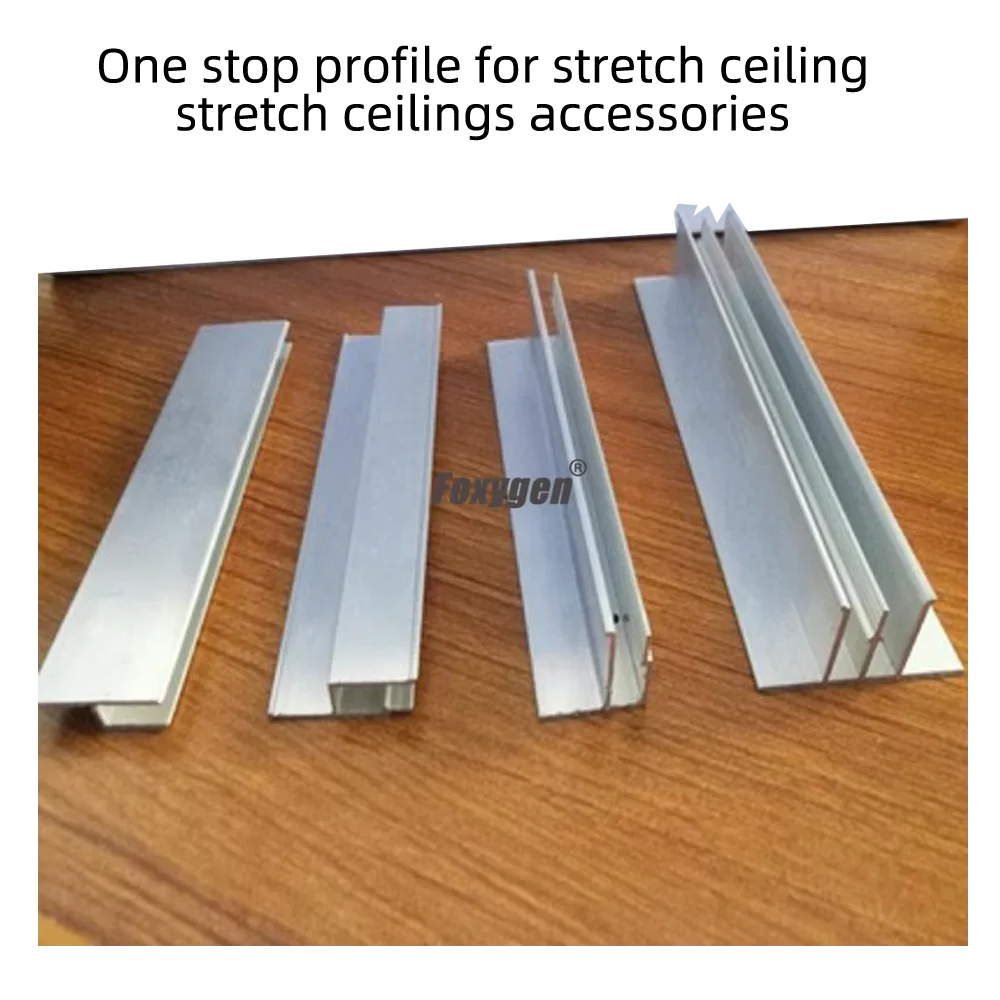
For a wholesale buyer, stretch ceiling film is a coordinated system input, not simply a decorative finish. Surface appearance, dimensions, handling, and edge retention all affect how the material fits a job. Before comparing offers, define where the stretch ceiling film will be installed, what visual result is required, and which profile arrangement the installer expects. A clear brief helps buyers compare like with like and makes subsequent sampling, costing, and scheduling more dependable.
Define the project before comparing offers
Translate the design into a usable specification
Start by recording room dimensions, ceiling shape, substrate conditions, and the finish requested by the designer or client. For stretch ceiling film, specify the intended color or visual effect, whether the surface should be matte, satin, or reflective, and whether lighting will sit behind or beside it. Note any access panels, cut-outs, transitions, or curved areas. These details help a seller assess whether the proposed stretch ceiling film and installation approach suit the actual layout rather than a simplified floor plan.
Confirm suitability for the installation environment
The room’s use should guide the stretch ceiling film specification. A reception area, retail interior, meeting room, and residential space may have different appearance priorities, cleaning routines, and exposure conditions. Ask for relevant technical documentation and clarify any stated limitations for temperature, humidity, maintenance, or use near particular fixtures. Do not assume that one stretch ceiling film specification is appropriate for every interior. Match documented product information to local project requirements, building rules, and the installer’s experience before treating a quotation as technically acceptable.
Assess film, profiles, and quality information
Review the material details and sample
A sample allows the buyer and project team to inspect color, texture, sheen, and consistency under the lighting conditions expected on site. Compare the sample with approved finish references, because screens and showroom illumination can change how stretch ceiling film appears. Ask how rolls are identified, protected, and stored, and whether batch information can be supplied. The purpose is not to infer unverified performance from appearance, but to confirm that the stretch ceiling film offered aligns with the approved visual specification and documented product details.
Check profile compatibility and system interfaces
The supporting profile is central to a reliable installation, so confirm its material, section, fixing method, and compatibility with the selected stretch ceiling film. Ceiling geometry may call for different profile shapes or connection details, while corners and transitions need careful coordination. Share drawings or a measured layout when asking about profile selection, and request confirmation of how film edges engage with the proposed system. A compatible stretch ceiling film and profile combination reduces ambiguity for procurement and gives installers a clearer basis for preparation.
Plan wholesale quantities, ordering, and delivery
Calculate quantities with project conditions in mind
Build the quantity estimate from verified site measurements and the layout method, not just the room’s nominal area. Include perimeter details, ceiling divisions, openings, and any special shapes, then confirm who is responsible for final take-off. Clarify how stretch ceiling film is supplied, including roll dimensions, cutting options, and whether separate areas require distinct pieces. A written schedule linking each film item to a room or drawing helps prevent confusion during receiving and installation. Keep reasonable allowance decisions with the project team rather than assuming a universal waste factor.
Confirm commercial terms and shipment handling
Before placing a wholesale stretch ceiling film order, establish minimum quantities, available finishes, sample arrangements, production lead time, payment terms, packaging, and delivery responsibilities. Ask how the material should be transported and stored, and what to inspect when it arrives. Confirm that the paperwork identifies the agreed specification and quantities, and agree on a process for resolving visible transit damage or discrepancies. These checks make stretch ceiling film procurement easier to coordinate with construction milestones and help buyers identify schedule risks before materials are needed on site.
FAQ
What information should a wholesale inquiry include?
Provide project location, room measurements, drawings, desired finish, estimated quantity, profile expectations, and target delivery date. Mention unusual shapes or lighting interfaces so the proposed stretch ceiling film can be reviewed against the installation context. Include the intended use of each space and ask which product documents are available. A complete inquiry makes it easier to assess whether the stretch ceiling film offer addresses the actual scope and gives the buyer a more useful basis for comparing quotations.
Should buyers approve a sample before ordering?
When appearance matters to client approval, request a sample and review it in representative lighting before committing to a large quantity. Check the color, surface character, and consistency against the project reference, while remembering that a sample does not replace technical documentation. Record the approved sample or finish reference in the purchase documents. This step helps ensure the stretch ceiling film delivered is aligned with the chosen visual direction and reduces the risk of disagreement during installation or handover.
How can buyers reduce ordering errors?
Use a written specification, verified measurements, coordinated profile details, and a room-by-room material schedule. Confirm the order acknowledgment against the approved finish and quantity, then check package labels and visible condition at receipt. Assign one project contact to resolve questions between procurement, design, and installation teams. These practical controls do not remove every site risk, but they make stretch ceiling film orders easier to trace, clarify responsibilities, and support timely decisions when plans or delivery conditions change.