
 EN
EN


General contractors working on commercial projects face mounting pressure to deliver installations that combine aesthetic appeal, functional performance, and long-term value. Traditional ceiling solutions often fall short of meeting the complex demands of modern commercial spaces, creating challenges that can impact project timelines, budgets, and client satisfaction. The need for versatile ceiling systems that address multiple project requirements simultaneously has driven contractors to explore innovative alternatives to conventional drywall and suspended ceiling approaches.
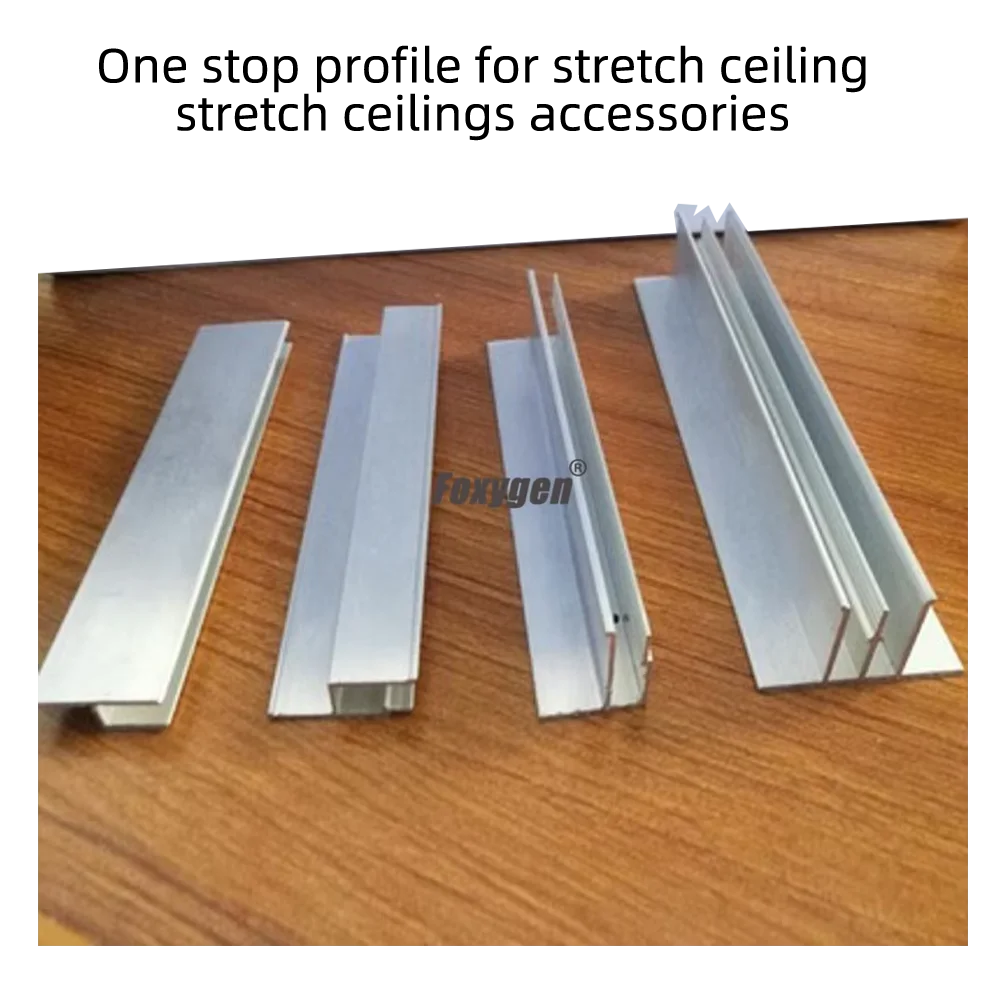
The growing specification of stretch ceilings in commercial construction reflects a strategic shift toward ceiling systems that offer exceptional design flexibility while simplifying installation processes. These membrane-based ceiling solutions provide general contractors with the ability to address complex architectural requirements, accommodate building system integration, and deliver premium visual results without the extensive labor and material costs associated with traditional ceiling construction methods.
Accelerated Installation Advantages for Project Schedules
Rapid Installation Process Reduces Project Timelines
General contractors specify stretch ceilings because they dramatically reduce installation time compared to conventional ceiling systems. The membrane installation process typically requires only one to two days for most commercial spaces, eliminating the extended construction periods needed for drywall finishing, painting, and texture application. This acceleration allows contractors to complete ceiling work while other trades continue their installations, optimizing the critical path scheduling that determines overall project completion dates.
The streamlined installation process also reduces labor coordination complexity, as stretch ceilings require fewer specialized trades compared to traditional approaches. Contractors can assign dedicated ceiling installation teams without disrupting the workflow of electrical, HVAC, or plumbing contractors, creating more predictable project scheduling and reducing the risk of trade conflicts that often delay commercial construction projects.
Minimal Site Preparation Requirements
Commercial stretch ceilings eliminate many of the preparatory steps required for traditional ceiling installations, allowing contractors to begin ceiling work with minimal site preparation. The system does not require extensive surface preparation, primer application, or substrate conditioning that conventional ceiling materials demand. This reduction in preparatory work translates to lower labor costs and faster project progression, particularly valuable in commercial renovations where existing ceiling conditions may be challenging.
The installation process generates minimal construction debris compared to drywall and plaster ceiling systems, reducing cleanup time and disposal costs. General contractors appreciate this clean installation approach, as it maintains better site conditions for other trades and reduces the need for extensive protection of finished surfaces during ceiling installation work.
Design Flexibility and Aesthetic Performance Benefits
Unlimited Surface Customization Options
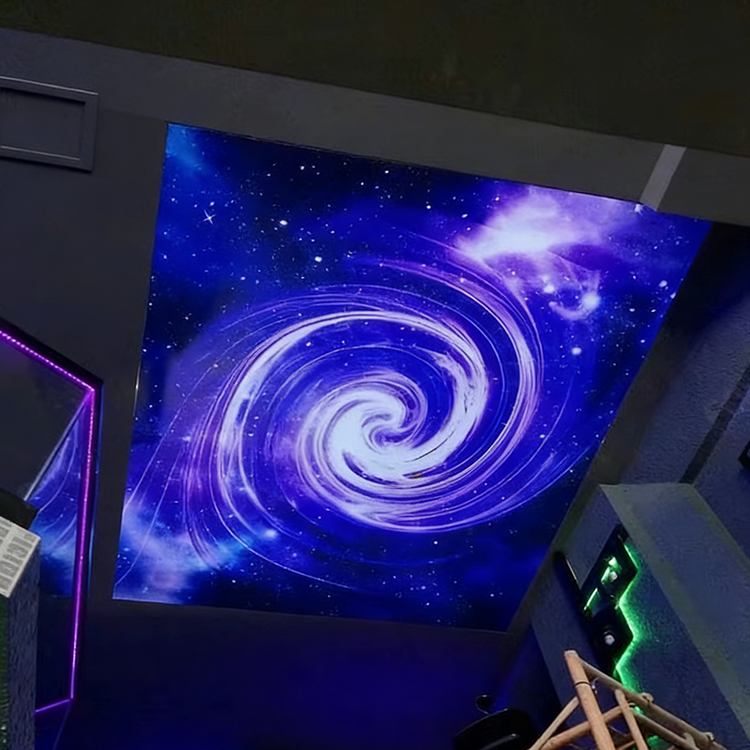
Stretch ceilings provide general contractors with exceptional design flexibility that addresses diverse commercial project requirements. The membrane surface can accommodate custom printing, lighting integration, and three-dimensional shaping that would be prohibitively expensive or impossible with traditional ceiling materials. This capability allows contractors to meet specific architectural design requirements without extensive custom fabrication or complex installation procedures.
The ability to create seamless curved surfaces and complex geometries makes stretch ceilings particularly valuable for commercial spaces requiring distinctive architectural features. Contractors can deliver sophisticated ceiling designs that enhance brand environments, hospitality spaces, and corporate facilities without the engineering challenges and cost premiums associated with custom-built ceiling solutions.
Consistent Visual Quality and Finish Standards
Commercial projects demand consistent visual quality across large ceiling areas, and stretch ceilings deliver uniform appearance that eliminates the finish variations common with traditional ceiling systems. The factory-manufactured membrane surface provides consistent color, texture, and reflectivity that cannot be achieved through field-applied finishes, ensuring that commercial spaces meet the high visual standards expected by building owners and tenants.
The elimination of joints, seams, and finish transitions creates clean ceiling planes that enhance lighting performance and space perception. General contractors specify stretch ceilings to avoid the ongoing maintenance issues associated with traditional ceiling joints, cracks, and finish deterioration that can compromise the professional appearance of commercial environments over time.
Building System Integration and Performance Characteristics
Superior Accommodation of MEP Systems
Modern commercial buildings require extensive mechanical, electrical, and plumbing systems that must be integrated within ceiling assemblies. Stretch ceilings provide general contractors with exceptional flexibility for accommodating these building systems while maintaining clean visual appearance. The membrane system allows for precise cutouts around fixtures, diffusers, and access points without compromising the overall ceiling integrity or requiring extensive patching and refinishing work.
The accessibility advantages of stretch ceilings enable ongoing building maintenance and system modifications without extensive ceiling reconstruction. Contractors can design ceiling installations that provide necessary access to building systems while maintaining the aesthetic qualities required for commercial spaces, addressing both immediate installation needs and long-term building operation requirements.
Moisture and Environmental Performance
Commercial buildings face varying environmental conditions that can compromise traditional ceiling materials, making stretch ceilings an attractive specification option for general contractors. The membrane material provides superior moisture resistance compared to gypsum-based ceiling systems, eliminating concerns about humidity damage, mold growth, and deterioration that can affect indoor air quality and require costly remediation efforts.
The non-porous surface characteristics of stretch ceilings make them suitable for commercial applications requiring enhanced hygiene standards, such as healthcare facilities, food service areas, and laboratory environments. General contractors can specify these ceiling systems with confidence that they will maintain performance and appearance standards under demanding environmental conditions.
Cost Efficiency and Long-Term Value Considerations
Total Project Cost Advantages
While the initial material costs of stretch ceilings may exceed traditional ceiling options, general contractors recognize significant total project cost advantages through reduced labor requirements, faster installation schedules, and elimination of finishing trades. The comprehensive cost analysis reveals that stretch ceilings often provide better overall project economics, particularly when considering the reduced supervision requirements and simplified project coordination.
The predictable installation process reduces the cost uncertainty that often affects traditional ceiling projects, allowing contractors to provide more accurate project estimates and avoid the budget overruns associated with extended finishing work or installation complications. This cost predictability is particularly valuable for commercial projects operating under tight budget constraints or fixed-price contracts.
Reduced Lifecycle Maintenance Requirements
General contractors increasingly consider the long-term maintenance implications of specified ceiling systems, as building owners seek to minimize ongoing operational costs. Stretch ceilings require minimal maintenance compared to traditional ceiling materials, eliminating the need for periodic painting, crack repair, and surface refinishing that conventional systems demand. This reduced maintenance requirement enhances the total value proposition for commercial building owners.
The durability characteristics of quality stretch ceiling materials ensure that commercial installations maintain their appearance and performance for extended periods without intervention. Contractors can specify these systems with confidence that they will continue to meet building performance standards throughout their service life, reducing callback risks and enhancing contractor reputation for delivery of durable building solutions.
FAQ
How do stretch ceilings compare to suspended ceiling systems for commercial applications?
Stretch ceilings offer superior aesthetic performance and faster installation compared to suspended ceiling systems, while providing better access to building systems above the ceiling plane. However, suspended systems may be more suitable for applications requiring frequent access to utilities or where modular ceiling components are preferred for future modifications.
What are the fire safety considerations for stretch ceilings in commercial buildings?
Quality stretch ceiling materials meet commercial building fire safety requirements and carry appropriate flame spread and smoke development ratings for their intended applications. General contractors should verify that specified stretch ceiling products comply with local building codes and fire safety regulations for the specific commercial occupancy type.
Can stretch ceilings accommodate heavy lighting fixtures and mechanical equipment?
Stretch ceiling systems can accommodate various fixtures and equipment through proper structural support design. Heavy items require independent structural support that bypasses the membrane system, while lighter fixtures can be supported through reinforced attachment points designed into the ceiling framework during installation planning.
What warranty coverage do stretch ceilings provide for commercial installations?
Commercial stretch ceiling installations typically include material warranties covering manufacturing defects and performance characteristics, with installation warranties provided by certified contractors. Warranty terms vary by manufacturer and installer, but generally cover membrane integrity, color stability, and installation workmanship for periods ranging from five to fifteen years depending on the specific product and application.
Table of Contents
- Accelerated Installation Advantages for Project Schedules
- Design Flexibility and Aesthetic Performance Benefits
- Building System Integration and Performance Characteristics
- Cost Efficiency and Long-Term Value Considerations
-
FAQ
- How do stretch ceilings compare to suspended ceiling systems for commercial applications?
- What are the fire safety considerations for stretch ceilings in commercial buildings?
- Can stretch ceilings accommodate heavy lighting fixtures and mechanical equipment?
- What warranty coverage do stretch ceilings provide for commercial installations?